

Hospitals are among the most electricity-dependent building types in modern society, operating around the clock with a dense concentration of life-support equipment, diagnostic machinery, and environmental control systems. A momentary interruption in power can compromise surgical procedures, disable ventilators, or spoil temperature-sensitive medications. For these reasons, energy resilience is not merely a financial consideration for healthcare facilities; it is a clinical necessity. Incorporating solar panels for hospitals has emerged as a strategy that addresses both the immediate need for reliable backup power and the long-term goals of cost containment and environmental responsibility. This article examines the scientific and operational factors that make photovoltaic systems a valuable asset in healthcare settings, exploring how on-site solar generation strengthens energy security, reduces operating expenses, and supports public health missions.
Energy Resilience and Life-Saving Continuity
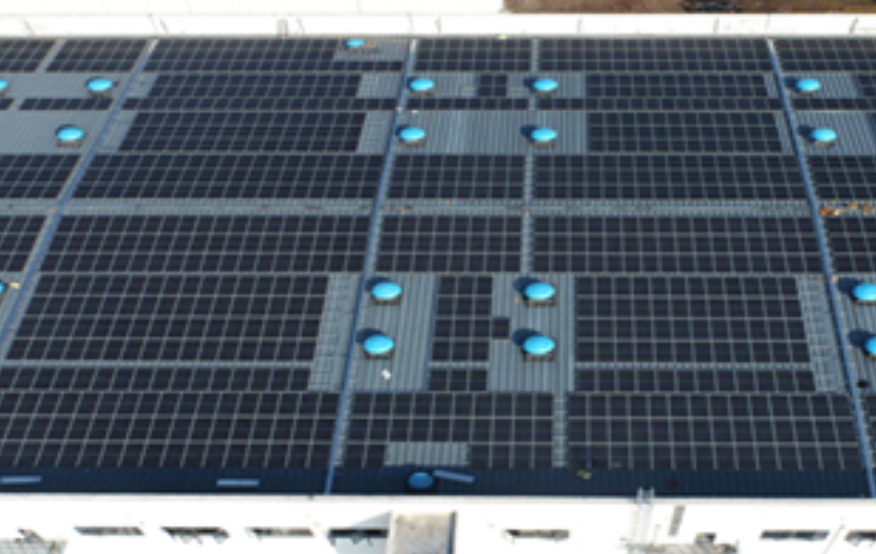
The consequences of grid failure in a hospital environment are measured in patient outcomes. When severe weather events, grid instability, or equipment faults disrupt utility service, backup generators typically engage within seconds, but fuel supply chains can become vulnerable during extended emergencies. Solar panels for hospitals offer a decentralized generation source that can function continuously during daylight hours and, when paired with battery storage, sustain critical loads well into the night. A properly designed photovoltaic array combined with an energy management system creates a microgrid capable of islanding from the main grid, maintaining power to intensive care units, neonatal wards, and emergency departments. The direct current produced by photovoltaic cells is inverted to alternating current and synchronized with the facility’s electrical bus, while advanced switchgear isolates the hospital from grid disturbances. This layered architecture reduces reliance on diesel generators alone, providing a quieter, emission-free source of electricity that does not depend on fuel deliveries. The reliability of such systems rests on the inherent predictability of solar irradiation and the absence of moving parts within the panels themselves, which minimizes mechanical failure points.
Operational Cost Reduction and Budget Reallocation
Healthcare institutions operate on tight budgets, and electricity often ranks among their largest recurrent expenses. Air handling units, imaging scanners, and sterilization equipment draw substantial power, particularly during peak tariff periods. A photovoltaic installation reduces the volume of electricity drawn from the grid, lowering both consumption charges and demand fees that utilities impose based on peak usage. The savings accumulate over a system lifespan that can exceed two decades, freeing capital that can be redirected toward patient care, staff training, or medical technology upgrades. DMEGC Solar supplies commercial photovoltaic modules suitable for large rooftop or ground-mounted installations, providing components that hospitals can integrate into their energy infrastructure. With proper site assessment, a hospital can install a solar array sized to offset a meaningful fraction of its daytime load, while power purchase agreements or third-party financing models avoid upfront capital outlay. The predictable cost trajectory of sunlight, which carries no fuel price volatility, contrasts sharply with the fluctuating expense of grid electricity and diesel. Over time, this financial predictability strengthens a hospital’s ability to plan multi-year budgets without exposure to energy market shocks.
Environmental Stewardship and Community Health
A hospital’s healing mission extends beyond its walls to the environmental conditions that shape community health. Conventional electricity generation from fossil fuels releases particulate matter, nitrogen oxides, and sulfur dioxide, all of which contribute to respiratory and cardiovascular disease burdens in surrounding populations. By substituting a portion of that generation with clean photovoltaic electricity, a hospital reduces its indirect emissions footprint and aligns its operations with preventive public health principles. The absence of on-site combustion means that solar arrays produce no local air pollutants, no noise, and no hazardous waste streams during operation. Large rooftop solar installations can also reduce the building’s heat island effect by converting incident radiation into electricity rather than thermal energy, slightly lowering cooling loads in warm climates. When a healthcare facility communicates its adoption of solar energy to patients and staff, it reinforces the message that the institution takes a comprehensive view of health, one that includes environmental determinants. This alignment between energy choices and institutional values can strengthen community trust and support recruitment of sustainability-minded medical professionals.
The deployment of solar panels for hospitals represents a strategic convergence of clinical safety, fiscal prudence, and environmental care. By generating power on-site, healthcare facilities gain a resilient layer of electricity supply that protects life-critical functions when external grids falter. The financial profile of photovoltaic systems allows hospital administrators to control a volatile operating cost and reinvest savings into core medical services. Furthermore, the reduction in airborne emissions ties energy decisions directly to the health of the communities these institutions serve. As battery storage technology advances and integration expertise grows, the case for photovoltaic arrays in the healthcare sector will only strengthen. For hospital planners evaluating infrastructure investments, the scientific and economic logic points toward solar energy as a durable, multi-benefit component of modern healthcare delivery.

Tel: +86-579-86588826 (Workday 8:30-17:00)
Tel: +31 (0) 8 58200765
Tel: +86-579-86310330 (Workday 8:30-17:00)
+86-579-86310330 (workday 8:30-17:00 GMT+08:00)
+86-579-86588601 (workday 8:30-17:00 GMT+08:00)


Contact Us
Type of your question
- Business Consulting
- Technical Support
- After-sales Service