

The visual integration of photovoltaic systems into modern architecture has become a decisive factor in project planning. While energy yield and return on investment remain primary drivers, the aesthetic appeal of solar installations significantly influences acceptance among homeowners, commercial property developers, and municipal planners. The choice between standard blue-polycrystalline or silver-framed modules and all-black designs is no longer merely cosmetic; it reflects a shift towards treating solar infrastructure as an integral component of building design rather than an industrial add-on.
The Aesthetic Advantage of All-Black Design
Standard solar modules typically feature silver aluminum frames and visible grid lines on blue cells, creating a high-contrast appearance that can clash with contemporary roofing materials. In contrast, black modules utilize monocrystalline cells with uniform dark coloring and often incorporate black backsheets and frames. This homogeneity allows the array to blend seamlessly with dark roof tiles, slate, or flat commercial roofs. For residential projects, particularly in heritage-sensitive areas or luxury developments, this subtlety reduces visual intrusion. The absence of reflective silver borders minimizes glare and creates a sleek, monolithic look that aligns with minimalist architectural trends. This visual coherence can enhance property value by presenting the installation as a premium feature rather than a utilitarian necessity.
Technical Performance and N-type Efficiency
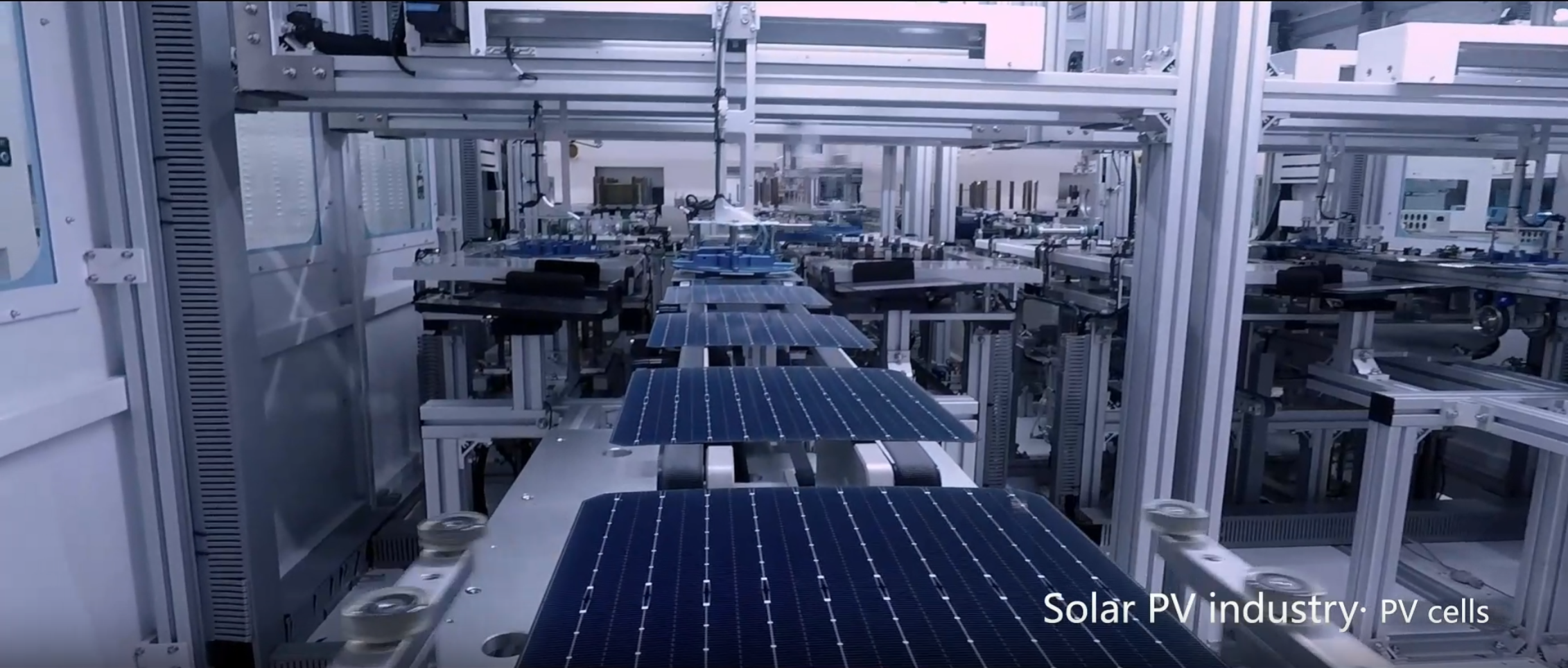
A common misconception is that aesthetic enhancements compromise performance. However, advancements in cell technology have decoupled visual design from efficiency losses. Modern black modules frequently employ N-type cell structures, which offer higher electron mobility and reduced light-induced degradation compared to traditional P-type cells. These N-type cells maintain superior performance in low-light conditions and high temperatures, ensuring that the visual upgrade does not come at the cost of energy production. Furthermore, the manufacturing processes for high-end black modules often include half-cut cell technology and multi-busbar designs, which reduce resistive losses and improve shade tolerance. As a leading global manufacturer, DMEGC Solar integrates these advanced technologies into their black module series, ensuring that aesthetic preferences are supported by robust technical specifications suitable for diverse climatic conditions.
Selecting the Right Partner for Premium Installations
Choosing between standard and black modules depends on project-specific requirements, including budget, location, and design goals. While black modules may carry a slightly higher initial cost, their ability to facilitate planning approvals in visually restricted zones and their potential to increase property appeal can offset this difference. Procurement managers and installers must evaluate not only the module’s datasheet but also the manufacturer’s commitment to quality control and long-term reliability. When sourcing these specialized products, working with an experienced solarmodul hersteller ensures access to certified components that meet international standards for durability and performance. Ultimately, the decision should balance visual harmony with technical excellence, leveraging modern N-type technology to achieve both sustainable energy generation and architectural integrity.

Tel: +86-579-86588826 (Workday 8:30-17:00)
Tel: +31 (0) 8 58200765
Tel: +86-579-86310330 (Workday 8:30-17:00)
+86-579-86310330 (workday 8:30-17:00 GMT+08:00)
+86-579-86588601 (workday 8:30-17:00 GMT+08:00)


Contact Us
Type of your question
- Business Consulting
- Technical Support
- After-sales Service