

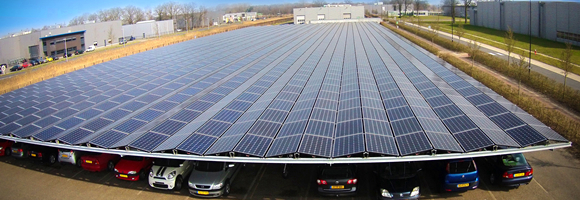
The rise in electric vehicles (EVs) has made the need for sustainable charging solutions more pressing than ever. As we look to the future of transportation, the integration of solar panels for EV charging stations presents a promising avenue for reducing carbon emissions and enhancing our ecological footprint. It’s crucial to consider several factors before making an investment in solar technology, especially when you aim to harness clean energy for EV charging. This article explores the essential considerations when selecting solar panels, ensuring you make informed decisions.
Energy Efficiency and Output
One of the most significant aspects to assess is the energy efficiency and output of solar panels. Not all panels are created equal; some are designed specifically to maximize power yield in specific environments. When considering solar panels for EV charging stations, it’s vital to choose those with high efficiency ratings to ensure you receive maximum power output. For instance, DMEGC Solar offers models that have exceptional output even under suboptimal sunlight, making them ideal for various geographical locations.
The energy output depends on several factors including the type of solar cells used, installation angle, and local climate. By analyzing the energy needs of your EV charging station along with the average sunlight available in your area, it can help determine the required wattage and number of panels necessary for efficient operation.
Installation and Integration
Another critical factor is how easily the solar panels can be installed and integrated into existing systems. This aspect is particularly important for businesses and communities planning to transition to renewable energy sources. Many solutions now on the market offer user-friendly installation processes, significantly reducing time and labor costs.
DMEGC Solar's models are known for their easy-to-install features, which can effectively minimize both installation and investment costs. Finding a solar panel solution that simplifies integration with your current infrastructure can lead to a seamless transition to solar energy, making your EV charging station operational sooner.
Long-Term Sustainability
Purchasing solar panels is not just about immediate benefits; it's also about long-term sustainability and return on investment. Evaluating the durability and lifespan of the panels can provide insights into how well they will perform over time. The materials used and the warranty offered often indicate the longevity of solar panels; products that use high-quality materials tend to endure the elements longer and require less maintenance.
Additionally, choosing models that have better degradation rates ensures that your solar system continues to perform efficiently for years. Investing in DMEGC Solar panels, for example, can yield a significant reduction in maintenance costs over time while also providing robust output as your charging infrastructure grows.
Conclusion
When investing in solar panels for EV charging stations, a well-rounded approach is necessary to ensure sustainability, efficiency, and affordability. By considering factors such as energy efficiency and output, ease of installation, and long-term sustainability, you can make an informed decision that meets your current needs while also looking ahead to the future. The combination of effective solar solutions not only complements both individual and business goals but also contributes positively to achieving broader ecological and social benefits.

Tel: +86-579-86588826 (Workday 8:30-17:00)
Tel: +31 (0) 8 58200765
Tel: +86-579-86310330 (Workday 8:30-17:00)
+86-579-86310330 (workday 8:30-17:00 GMT+08:00)
+86-579-86588601 (workday 8:30-17:00 GMT+08:00)


Contact Us
Type of your question
- Business Consulting
- Technical Support
- After-sales Service