

Global energy markets are experiencing a significant transition toward sustainable infrastructure, influencing how organizations manage large-scale procurement. The movement toward renewable sources has created a complex web of logistics and manufacturing that defines the current landscape for wholesale solar panels. As international demand grows, the strategies used by major manufacturers must adapt to ensure consistent delivery across diverse geographical regions. This evolution involves a shift toward localized service hubs and diversified production centers to mitigate potential disruptions in the flow of goods. Organizations looking for reliable equipment often examine how modern industrial chains operate in this changing environment to secure their energy future.
Vertical Integration and Production Stability
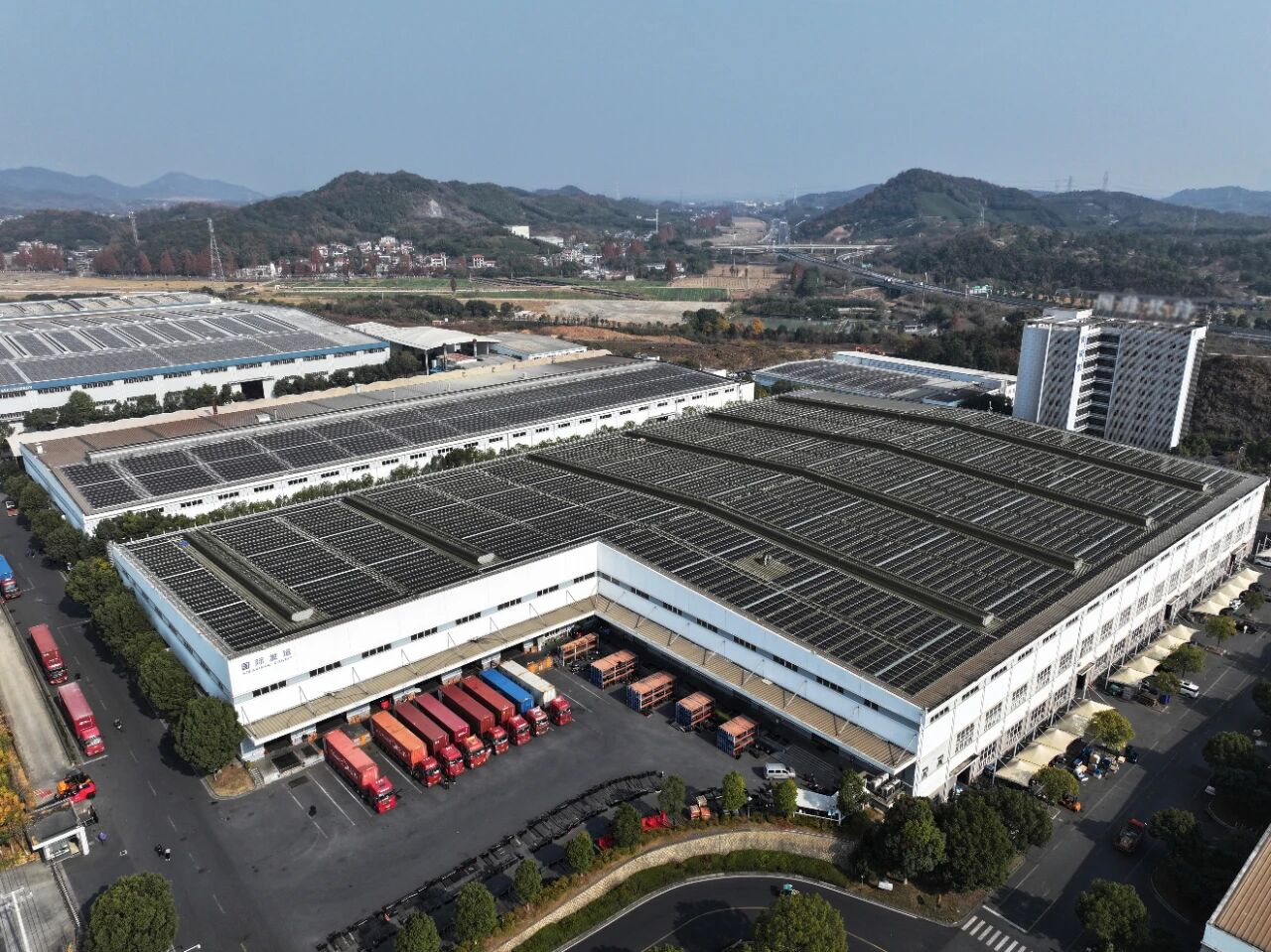
Maintaining a steady flow of wholesale solar panels requires a robust approach to manufacturing that spans the entire value chain. Many producers now focus on integrating various stages of production, from wafers and cells to the final module assembly. This vertical integration allows for better control over quality and reduces reliance on external suppliers who may face their own logistical challenges. By overseeing more steps in the creation process, these entities can provide more predictable timelines for global project partners. Furthermore, the implementation of intelligent manufacturing technologies, such as automation and digital tracking, has increased the efficiency of these integrated chains.
Geographic Diversification of Manufacturing
Regional stability has become a cornerstone of supply chain management, leading to the establishment of manufacturing bases in multiple countries. They operate six major production sites, including locations in Hengdian, Sihong, Qixian, Yibin, Lianyungang, and an international base in Indonesia. By spreading their footprint across different territories, they can effectively navigate regional trade policies and reduce transportation times for wholesale solar panels. This strategy also includes the development of local offices and warehouses in key markets such as Germany, France, and Australia. Such localized infrastructure ensures that technical support and marketing services remain accessible to customers regardless of their specific location.
Sustainability in the Value Chain
Corporate responsibility is now deeply embedded in the way wholesale solar panels move from factories to installation sites. Modern supply chains are increasingly evaluated on their environmental impact, prompting the adoption of low-carbon certifications and sustainable procurement standards. They have achieved recognition for their efforts in creating a responsible value chain that prioritizes green innovation and carbon neutrality. DMEGC Solar offers a product introduction that highlights their commitment to these standards, maintaining an annual capacity of 23GW for cells and 21GW for modules. These efforts ensure that the transition to clean energy does not come at the expense of environmental or social governance.
Future Outlook for Energy Logistics
Long-term success in the renewable sector depends on the ability to maintain financial health while expanding global reach. As cumulative shipments continue to rise, the importance of reliable partnerships with global logistics providers becomes even more critical. By focusing on technological innovation and strict quality management, manufacturers can ensure that their wholesale solar panels remain competitive in an increasingly crowded market. The ongoing optimization of governance structures and supply chain mechanisms will likely remain a priority for those seeking to provide high-efficiency solutions to the world. Continued investment in localized services and diversified manufacturing will be the defining characteristic of the next era in solar energy distribution.

Tel: +86-579-86588826 (Workday 8:30-17:00)
Tel: +31 (0) 8 58200765
Tel: +86-579-86310330 (Workday 8:30-17:00)
+86-579-86310330 (workday 8:30-17:00 GMT+08:00)
+86-579-86588601 (workday 8:30-17:00 GMT+08:00)


Contact Us
Type of your question
- Business Consulting
- Technical Support
- After-sales Service