

The rise of renewable energy has made ground-mounted solar panels a focal point for both residential and commercial applications. As technological advancements continue to shape the solar industry, understanding the various aspects of ground-mounted systems becomes crucial. This article delves into the terminology, design principles, and advantages of employing ground-mounted solar solutions, particularly focusing on how these systems can enhance solar energy efficiency.
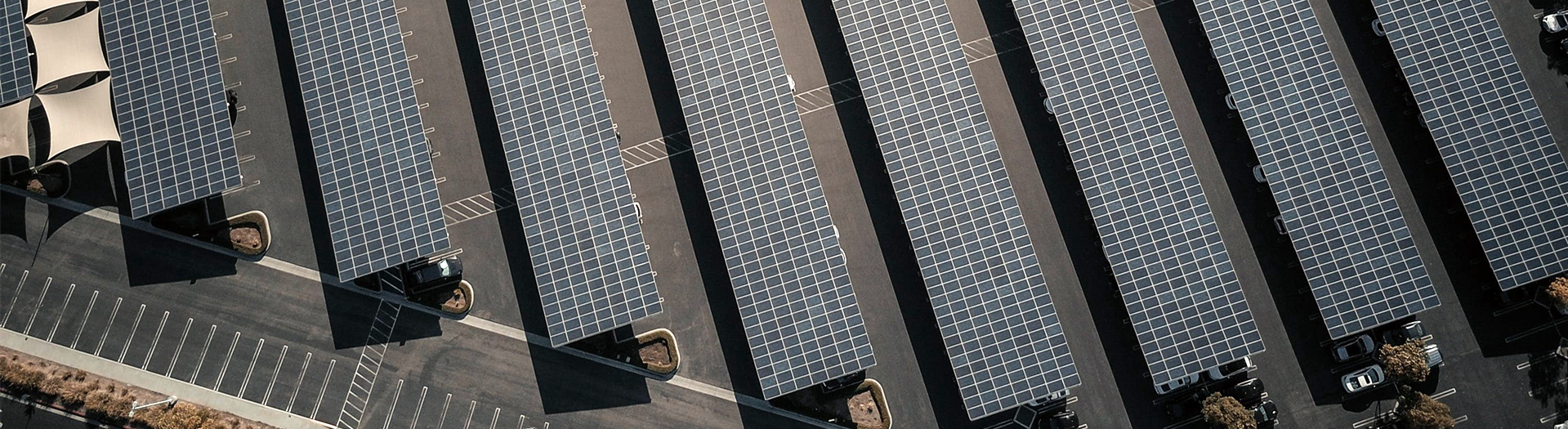
Understanding Ground-mounted Solar Panels
Ground-mounted solar panels refer to solar installations built directly on the ground, as opposed to roof-mounted systems. One key benefit of this design is the flexibility it offers in terms of layout and orientation. Unlike roof installations, which are limited by the roof’s angle and size, ground-mounted systems can be strategically placed to capture maximum sunlight.
Proper site assessment is vital for determining the most effective placement of these panels. Factors such as shading from nearby trees or buildings, soil condition, and accessibility for maintenance play a critical role in optimizing the energy output. Professionals typically use advanced software and tools to analyze these factors, maximizing the solar system's performance and ensuring a higher return on investment.
Key Components of a Ground-mounted System
A typical ground-mounted solar panel system comprises several components that work together to harness solar energy effectively. These include solar panels, mounting structures, inverters, and connection systems.
The mounting structure is particularly important as it supports the solar panels at an optimal angle, allowing them to absorb sunlight more effectively. Ground screws or concrete foundations secure these structures, ensuring stability even under harsh weather conditions. Moreover, the type of inverter used can influence the efficiency of the solar energy conversion process. For instance, inverters that facilitate maximum power point tracking (MPPT) can optimize the energy harvested from the solar panels.
In recent years, innovations in solar technology have led to the introduction of higher-efficiency panels, such as those we offer at DMEGC Solar. Our ground-mounted systems feature models like the DMxxxM10T-B78HSW, which operate at an impressive capacity of 630W to 650W with a maximum efficiency of 23.3%. This increased efficiency ensures that more sunlight is converted into usable energy, providing significant savings for both residential and commercial users.
Advantages of Ground-mounted Solar Panels
Choosing ground-mounted systems over traditional roof-mounted options offers several advantages. Firstly, ground installations often allow for greater energy production due to less shading and the ability to adjust the tilt and direction of the panels. This flexibility can lead to a more significant amount of electricity generated, especially in areas where roof space is limited or unsuitable.
Secondly, maintenance access is much easier with ground-mounted panels. Regular cleaning, inspection, and any required repairs can be performed without the logistical challenges posed by rooftop installations. This ease of access can prolong the lifespan of the equipment and improve overall system performance.
Lastly, ground-mounted systems can be expanded as energy needs increase. Property owners may start with a small installation and gradually add more panels as their energy requirements grow, making ground-mounted solutions a scalable option for many.
Conclusion
In summary, ground-mounted solar panels present a viable solution for maximizing solar energy harvesting. The flexibility in design, ease of maintenance, and potential for greater energy output makes this type of installation appealing. At DMEGC Solar, we understand these dynamics and strive to provide high-efficiency products, such as the DMxxxM10T-B78HSW, to enhance your solar experience. By leveraging advanced technologies and expert installation practices, we contribute to the broader movement toward sustainable energy solutions.

Tel: +86-579-86588826 (Workday 8:30-17:00)
Tel: +31 (0) 8 58200765
Tel: +86-579-86310330 (Workday 8:30-17:00)
+86-579-86310330 (workday 8:30-17:00 GMT+08:00)
+86-579-86588601 (workday 8:30-17:00 GMT+08:00)


Contact Us
Type of your question
- Business Consulting
- Technical Support
- After-sales Service