

The journey of Photovoltaic Solar Projects over the past few decades has been transformative, marked by significant advancements in technology and increasing global adoption. As energy demands grow and environmental concerns mount, harnessing solar power has become a pivotal solution. By understanding how these projects have evolved, we can appreciate their role in shaping a sustainable future.
Origins of Photovoltaic Technology
The inception of photovoltaic technology dates back to the 19th century when the first solar cell was created by Alexandre Edmond Becquerel in 1839. This early design was rudimentary and had a low conversion efficiency, yet it sparked interest in solar energy as a viable power source. Over the years, research and development accelerated, particularly in the latter half of the 20th century, and breakthroughs in materials like silicon dramatically improved the efficiency of solar cells. By the 1970s and 1980s, commercial Photovoltaic Solar Projects began to appear, capturing the attention of both investors and environmentalists alike.
Growth in Utility-Scale Solar Farms
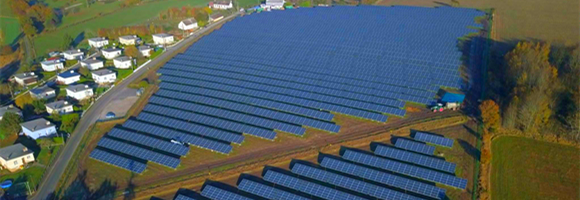
As technology matured, the scale of Photovoltaic Solar Projects expanded significantly, leading to the development of utility-scale solar farms. These large installations are designed to provide energy directly to the grid, showcasing the capabilities of technologies that optimize both performance and efficiency. For example, advanced solar modules from companies like DMEGC Solar are engineered with cutting-edge innovations that support substantial output, making them ideal candidates for large-scale deployments.
The growing demand for renewable energy has further propelled the trend toward larger projects, as they can produce vast amounts of clean electricity, reduce reliance on fossil fuels, and help meet regulatory standards aimed at lowering greenhouse gas emissions. With a 30-year linear power warranty backing our solutions, we ensure that these projects not only meet today's energy needs but also contribute to long-term sustainability.
Innovations and Future Prospects
The modern era of Photovoltaic Solar Projects is characterized by rapid technological innovation. New materials and engineering techniques are being developed to increase efficiency rates while lowering production costs. Grid integration technologies, such as advanced inverters and energy storage systems, are playing a crucial role in managing the variable nature of solar energy and maximizing its use on the grid.
There's also a noticeable shift toward more flexible applications of solar technologies. Emerging concepts like building-integrated photovoltaics (BIPV) and floating solar farms exemplify how we can find new spaces for solar power generation. At DMEGC Solar, we remain focused on these innovations, constantly seeking to optimize system performance and stability.
Conclusion
The history and development of Photovoltaic Solar Projects reveal a fascinating evolution from a niche technology to a key player in the global energy landscape. As we embrace a future where renewable energy is paramount, understanding this history empowers us to appreciate the strides made and the challenges that lie ahead. By continuing to explore advancements and investing in efficient solutions—such as those offered by DMEGC Solar—we can contribute to a greener, more sustainable planet. With ongoing research and collaboration in the field, the next chapter in solar energy is poised to be just as groundbreaking as the last.

Tel: +86-579-86588826 (Workday 8:30-17:00)
Tel: +31 (0) 8 58200765
Tel: +86-579-86310330 (Workday 8:30-17:00)
+86-579-86310330 (workday 8:30-17:00 GMT+08:00)
+86-579-86588601 (workday 8:30-17:00 GMT+08:00)


Contact Us
Type of your question
- Business Consulting
- Technical Support
- After-sales Service