

The transition toward renewable energy has accelerated globally, yet misconceptions about residential photovoltaic installations persist. These myths often hinder decision-making for homeowners and procurement specialists alike. Understanding the technical realities behind solar performance is essential for evaluating return on investment and long-term reliability. By separating fact from fiction, stakeholders can make informed choices that align with modern energy demands.
Myth 1: Solar Panels Are Ineffective in Cloudy or Cold Climates
A prevalent misunderstanding is that solar modules require direct, intense sunlight and warm temperatures to generate electricity. In reality, photovoltaic cells respond to light, not heat. While cloud cover reduces irradiance, modern high-efficiency modules still produce significant power under diffuse light conditions. Furthermore, solar panel efficiency actually improves in cooler temperatures. Excessive heat increases electrical resistance within the cells, leading to lower voltage output. Therefore, regions with moderate climates often see robust annual yields, debunking the idea that only sunny, hot locations are suitable for solar adoption.
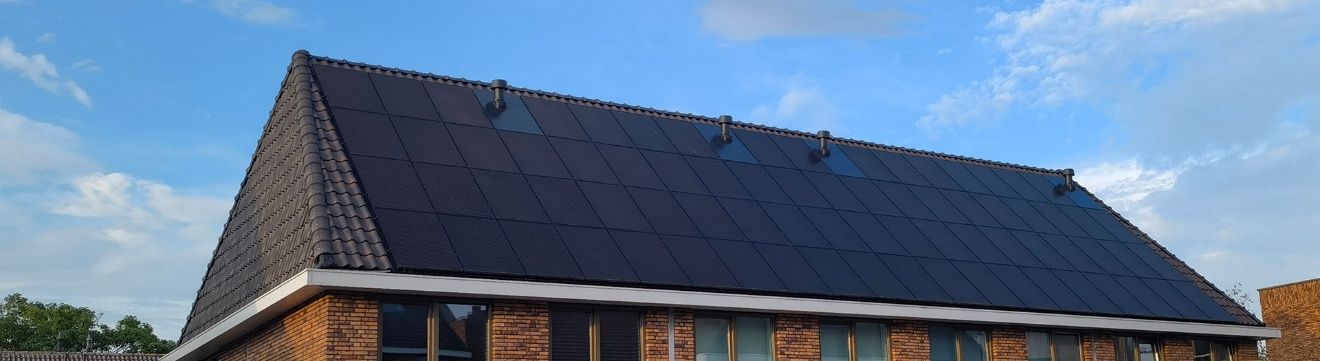
Myth 2: Maintenance Is Complex and Costly
Many potential adopters fear that owning a solar array involves frequent, expensive upkeep. However, contemporary solar technology is designed for durability and minimal intervention. Most high-quality modules feature tempered glass and robust framing capable of withstanding harsh weather, including hail and heavy snow loads. Rainfall naturally cleans most debris from the panel surface. Occasional professional inspections ensure connections remain secure, but daily maintenance is virtually non-existent. This low operational burden makes solar an attractive option for those seeking passive income through energy savings without added labor costs.
Maximizing Efficiency with Advanced Technology
The core of any efficient installation lies in the quality of the modules used. Recent advancements in cell technology have dramatically improved conversion rates. For instance, N-type solar cells offer superior degradation rates and better performance in low-light scenarios compared to traditional P-type alternatives. Manufacturers like DMEGC Solar have integrated these advanced materials into their product lines, ensuring higher energy yields over the system’s lifespan. When designing a home solar power system, selecting modules with high bifaciality factors and low temperature coefficients can significantly boost overall generation capacity. This technological leap ensures that even limited roof space can meet substantial energy needs.
Conclusion
Dispelling myths about solar energy reveals a landscape of reliable, efficient, and low-maintenance power generation. With advancements in cell architecture and manufacturing precision, modern systems deliver consistent performance across diverse climatic conditions. For international buyers and installers, focusing on verified technical specifications rather than outdated assumptions is key to successful project deployment. Embracing these realities facilitates a smoother transition to sustainable energy solutions, driving both economic and environmental benefits.

Tel: +86-579-86588826 (Workday 8:30-17:00)
Tel: +31 (0) 8 58200765
Tel: +86-579-86310330 (Workday 8:30-17:00)
+86-579-86310330 (workday 8:30-17:00 GMT+08:00)
+86-579-86588601 (workday 8:30-17:00 GMT+08:00)


Contact Us
Type of your question
- Business Consulting
- Technical Support
- After-sales Service