

The increasing demand for renewable energy solutions in urban development has paved the way for innovative technologies like BIPV and BAPV solar panels. Integrating these panels into buildings not only enhances energy efficiency but also contributes to sustainable architecture. By leveraging advancements in solar panel technology, urban developers can create energy-generating structures that harmonize with their environment. At DMEGC Solar, we understand the unique requirements of urban projects and offer solutions tailored to meet these needs.
Understanding BIPV and BAPV Technologies
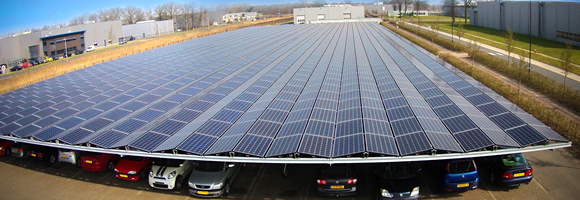
Building-Integrated Photovoltaics (BIPV) and Building-Applied Photovoltaics (BAPV) represent different methodologies of incorporating solar technology into urban structures. BIPV panels are integrated into the building envelope, functioning both as an architectural feature and as a power generation system. This seamless integration helps preserve aesthetic appeal while contributing to energy needs. Conversely, BAPV panels are added to existing structures, enhancing their solar capacity without compromising the building's design. Both systems provide unobtrusive solutions for energy generation in densely populated areas where space is limited.
Advantages of Integrating Solar Panels in Urban Environments
Integrating BIPV BAPV solar panels into urban projects offers multiple advantages, making it an appealing choice for developers and city planners. The foremost benefit is the significant reduction in energy costs. By generating their own energy, buildings can decrease reliance on fossil fuels and harness clean energy from the sun. Additionally, implementing solar panels improves the building's overall sustainability profile, which is an invaluable asset in the current climate-conscious market. Urban areas also benefit from increased green space, as solar installations can be designed to incorporate green roofs or vertical gardens, contributing to better air quality and urban biodiversity.
Selecting the Right Products and Installation Techniques
When deciding to implement BIPV BAPV solar panels in urban projects, selecting the appropriate products and installation methods is crucial. At DMEGC Solar, we provide a diverse range of high-performance modules to cater to various urban design scenarios. Our Y-framed and EC-framed panels offer flexibility for custom designs, while transparent modules can be a great choice for modern aesthetics without sacrificing functionality. To ensure optimal performance, it is essential to assess factors such as roof orientation, shading, and local building codes during the design phase. Collaboration with architects and engineers can facilitate the seamless integration of solar technology into urban infrastructure.
Conclusion
As urban environments evolve, embracing innovative solar technologies such as BIPV BAPV solar panels contributes to a sustainable future. By understanding the unique requirements of urban projects and utilizing products tailored to these needs, developers can create energy-efficient buildings that serve both people and the planet. Our commitment at DMEGC Solar is to provide high-quality solar solutions that enhance urban living through renewable energy, ensuring that future developments are both functional and environmentally responsible. Embracing these technologies isn’t just a trend—it’s a vital step toward a more sustainable, energy-efficient urban landscape.

Tel: +86-579-86588826 (Workday 8:30-17:00)
Tel: +31 (0) 8 58200765
Tel: +86-579-86310330 (Workday 8:30-17:00)
+86-579-86310330 (workday 8:30-17:00 GMT+08:00)
+86-579-86588601 (workday 8:30-17:00 GMT+08:00)


Contact Us
Type of your question
- Business Consulting
- Technical Support
- After-sales Service