

In the growing landscape of renewable energy, solar panels for industry are becoming an essential component of sustainable operations. As companies aim to lower their carbon footprints and reduce energy costs, it is crucial to choose the right solar technology that aligns with specific business needs. Selecting appropriate solar panels is not just about efficiency; it involves understanding the unique requirements and environments in which they will be installed. At DMEGC Solar, we appreciate the complexities involved and offer insights to help navigate these choices effectively.
Understanding Different Types of Solar Panels
When it comes to solar panels for industry, understanding the different types available is vital. Solar panels generally fall into three categories: monocrystalline, polycrystalline, and thin-film modules. Each technology has its strengths and weaknesses, depending on the application. For example, monocrystalline panels typically offer higher efficiency rates and performance in smaller spaces. This makes them suitable for urban environments where roof space is limited.
Polycrystalline panels, while slightly less efficient, are more affordable and perform better in higher temperatures. Thin-film modules are lightweight and flexible, making them ideal for large-scale installations. Knowing these distinctions helps you determine which type will best serve your operational environment and energy needs.
Assessing Installation Environment
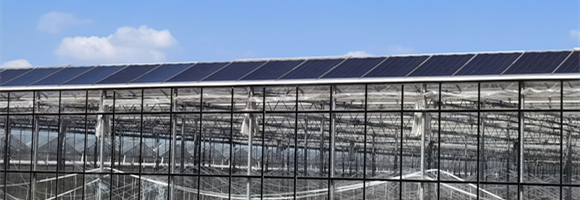
The installation environment plays a significant role in choosing the right solar panels for industry. Factors such as available roof space, climate conditions, and potential shading elements can greatly affect the performance of solar systems. For instance, in industries where large rooftops are available, options like DMEGC Solar's Y-framed or transparent modules can be advantageous. The Y-framed design is particularly effective in maximizing surface area exposure to sunlight, while transparent modules can seamlessly integrate into architectural designs without compromising aesthetics.
Moreover, in locations that experience extreme weather conditions, selecting panels that are tested for durability becomes critical. DMEGC Solar offers high-performance solutions with warranties of up to 30 years, ensuring that businesses can rely on their photovoltaic systems for decades.
Evaluating Energy Needs and Future Growth
Another key aspect to consider when choosing solar panels for industry is assessing your current and projected energy needs. Performing an energy audit can help identify usage patterns and peak demand hours. This information is crucial for sizing your solar array correctly.
Industries with fluctuating energy needs should consider modular systems that can accommodate future expansions. At DMEGC Solar, we offer customized products tailored to specific industry applications, from agricultural uses to large-scale rooftop projects, allowing businesses to align their energy strategies with expansion plans comfortably.
Conclusion
Navigating the selection process for solar panels for industry can seem overwhelming, but with the right knowledge, it can become a manageable task. By understanding the types of panels available, assessing the installation environment, and evaluating energy needs, organizations can make informed decisions that lead to successful solar implementation. Brands like DMEGC Solar provide a wide range of high-performance modules designed to cater to different specifications, ensuring that whatever your energy requirements may be, you can find a solution that fits. Embracing solar technology not only boosts operational efficiency but also fosters a sustainable future for industries worldwide.

Tel: +86-579-86588826 (Workday 8:30-17:00)
Tel: +31 (0) 8 58200765
Tel: +86-579-86310330 (Workday 8:30-17:00)
+86-579-86310330 (workday 8:30-17:00 GMT+08:00)
+86-579-86588601 (workday 8:30-17:00 GMT+08:00)


Contact Us
Type of your question
- Business Consulting
- Technical Support
- After-sales Service