

Establishing reliable energy access remains a significant challenge for remote communities across the globe. Utility solar power project initiatives offer a sustainable pathway to bridge this gap by capturing sunlight and converting it into a steady electricity supply. DMEGC Solar contributes to this mission by providing high-efficiency modules designed for large-scale installations, ensuring that rural areas receive consistent power for homes and essential services. These projects do more than just provide light; they create a foundation for economic growth and modernize the infrastructure of underserved regions. By focusing on rural electrification and impact, these developments foster a resilient environment where local populations can thrive without relying on expensive or polluting fossil fuels.
Technical Foundations of Large-Scale Solar Infrastructure
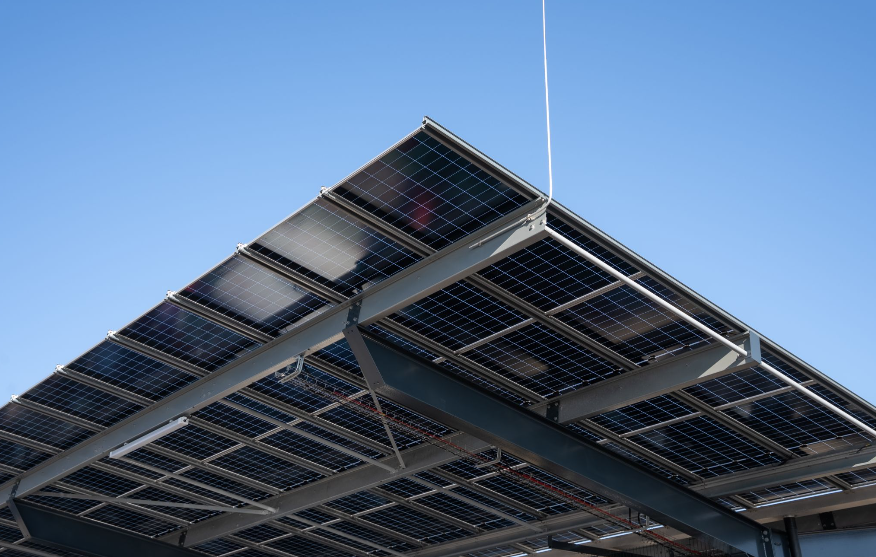
Large-scale energy systems require meticulous planning and robust hardware to ensure long-term functionality in diverse climates. A utility solar power project utilizes expansive arrays of photovoltaic panels to generate massive amounts of clean energy, which is then fed into local or national grids. The engineering behind these sites prioritizes durability and energy yield, utilizing advanced tracking systems and high-wattage modules to maximize absorption. When these systems are deployed in remote locations, they eliminate the need for traditional, high-maintenance transmission lines that are often difficult to install over rugged terrain. This shift toward decentralized utility-scale generation allows for a more flexible energy architecture that can scale alongside the growing needs of a developing community.
Socioeconomic Benefits of Reliable Energy Access
The transition toward renewable energy sources brings profound changes to the daily lives of residents in isolated areas. Focusing on rural electrification and impact involves more than just technical installation; it encompasses the improvement of healthcare, education, and local commerce. When clinics have access to consistent power from a utility solar power project, they can safely store vaccines and operate life-saving medical equipment overnight. Similarly, schools can utilize digital tools and remain open after sunset, extending learning opportunities for children and adults alike. This influx of energy often sparks the creation of small businesses, as entrepreneurs gain the ability to power machinery and cooling systems, thereby reducing poverty and increasing the overall quality of life within the region.
Environmental Stewardship and Long-Term Sustainability
Replacing carbon-intensive energy sources with photovoltaic technology mitigates the adverse effects of climate change while preserving local ecosystems. Prioritizing rural electrification and impact through solar energy ensures that the expansion of the power grid does not come at the cost of air quality or water safety. These installations require minimal water for operation compared to thermal power plants, which is a critical factor for agricultural communities facing water scarcity. Furthermore, the land used for these arrays can sometimes support dual-use applications, such as solar grazing, where livestock maintain the vegetation around the panels. This holistic approach ensures that the energy transition supports both the people and the planet, maintaining a delicate balance between industrial progress and environmental conservation.
The implementation of sustainable energy solutions stands as a cornerstone for modernizing remote territories. Through the strategic deployment of a utility solar power project, it becomes possible to deliver clean, affordable, and reliable electricity to those who need it most. The intersection of rural electrification and impact demonstrates that renewable technology is a catalyst for social equity and environmental health. As global energy demands continue to shift toward greener alternatives, the role of large-scale solar infrastructure will remain vital in ensuring no community is left in the dark. By investing in these systems, stakeholders secure a brighter and more productive future for rural populations worldwide.

Tel: +86-579-86588826 (Workday 8:30-17:00)
Tel: +31 (0) 8 58200765
Tel: +86-579-86310330 (Workday 8:30-17:00)
+86-579-86310330 (workday 8:30-17:00 GMT+08:00)
+86-579-86588601 (workday 8:30-17:00 GMT+08:00)


Contact Us
Type of your question
- Business Consulting
- Technical Support
- After-sales Service