

Residential architecture often presents significant constraints when it comes to the available surface area for energy generation. Homeowners with complex rooflines, dormers, or small urban footprints must prioritize efficiency to meet their household electricity demands. The concept of energy density is central to this challenge, as it refers to the amount of power that can be generated per square meter of installed hardware. High-efficiency modules allow for a greater total capacity within a restricted space, ensuring that even a small array can contribute meaningfully to a home’s energy independence. By focusing on advanced cell architectures, property owners can optimize their rooftops to capture the maximum amount of sunlight possible. This article explores the technical attributes of the best residential solar panels and how they serve the needs of modern, space-constrained housing.
Technological Advancements in Photovoltaic Efficiency
Achieving high power output on a small roof requires a focus on the internal composition of the photovoltaic cells. Modern manufacturers utilize N-type technology and multi-busbar designs to reduce internal resistance and improve electron flow. These features are common in the best residential solar panels, as they allow the modules to maintain high performance even when sunlight is not hitting the surface at a perfect angle. Scientific improvements in anti-reflective coatings and glass textures also play a role, as they help the panels trap more light particles. When every square inch of the roof is valuable, the ability of a module to convert a higher percentage of incoming radiation into usable current is the primary factor in determining its suitability for the project.
Thermal Stability and Long-Term Performance
Heat is a significant factor that can hinder the performance of electrical systems, particularly when modules are installed in tight configurations with limited airflow. The best residential solar panels are engineered with low temperature coefficients, meaning their efficiency does not drop drastically as the ambient temperature rises during the summer months. This thermal resilience is crucial for maintaining a steady energy supply throughout the day. DMEGC Solar integrates these high-performance characteristics into their modules, and their product introduction for the housing market emphasizes durability and sustained yields over a long operational lifespan. By utilizing materials that resist thermal degradation, these systems provide a more predictable return on investment and ensure that the limited roof space remains a productive asset for decades.
Structural Considerations and Aesthetic Integration
Physical design and installation flexibility are just as important as electrical specifications when dealing with restricted roof dimensions. The best residential solar panels often feature compact dimensions and high-strength frames tha
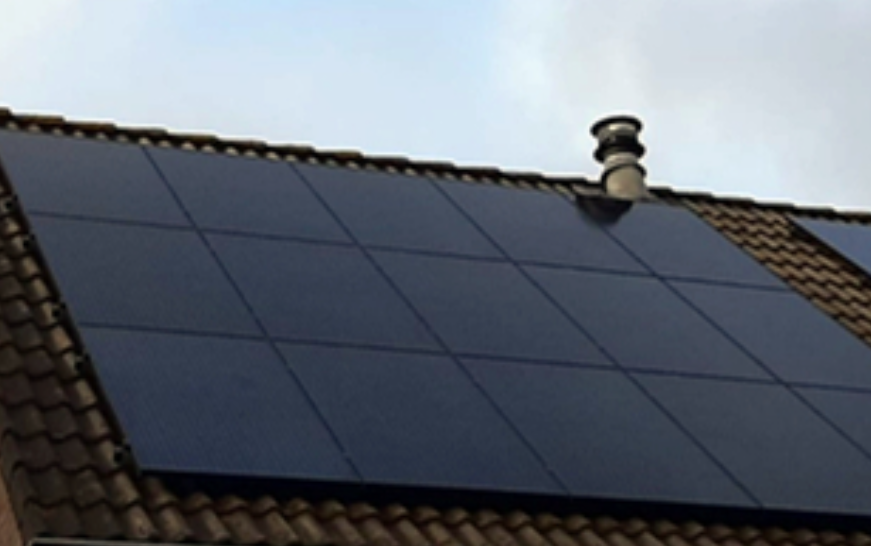
t allow for versatile mounting options, including portrait or landscape orientations. This flexibility enables installers to navigate around vents, chimneys, and skylights while still maximizing the coverage of the active solar area. Furthermore, the use of all-black modules or sleek profiles helps the system blend into the existing roofline, satisfying local zoning requirements or homeowner association standards. By combining robust mechanical properties with high energy density, these specialized modules turn challenging architectural features into efficient power hubs that support the electrification of the home.
Optimizing a small or irregular roof for energy production is a task that relies heavily on the selection of high-quality, high-density hardware. The best residential solar panels provide a solution by packing more power into every module, allowing homeowners to overcome spatial limitations without sacrificing their energy goals. Through the use of advanced semiconductor materials and superior thermal management, these systems deliver reliable electricity even under less-than-ideal conditions. As residential energy needs continue to grow with the adoption of electric vehicles and heat pumps, the importance of maximizing every available square meter of the roof becomes even more evident. Investing in premium technology ensures that a home remains resilient, self-sufficient, and ready for a sustainable future, regardless of its architectural footprint.

Tel: +86-579-86588826 (Workday 8:30-17:00)
Tel: +31 (0) 8 58200765
Tel: +86-579-86310330 (Workday 8:30-17:00)
+86-579-86310330 (workday 8:30-17:00 GMT+08:00)
+86-579-86588601 (workday 8:30-17:00 GMT+08:00)


Contact Us
Type of your question
- Business Consulting
- Technical Support
- After-sales Service