

The solar industry continues to evolve, consistently pushing the boundaries of innovation. One of the most critical discussions within this sector revolves around the choice between N-type and P-type technology, particularly for large scale solar panels. Understanding the differences between these two types of photovoltaic cells is essential for achieving improved energy yields and optimizing costs. This article will delve into the advantages and considerations of both technologies, focusing on how they impact large scale solar applications.
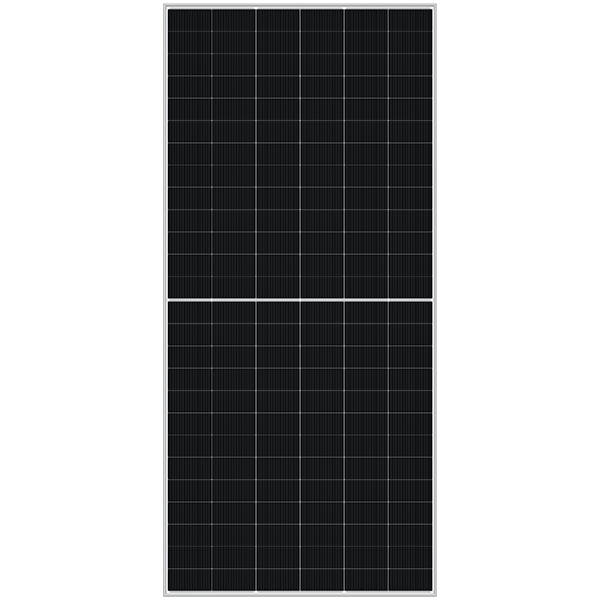
Understanding P-Type Technology
P-type solar cells have long been the dominant technology in the market. These cells are built using a substrate of silicon doped with boron, which creates a positive charge carrier, generally known as "holes." One of the key characteristics of P-type cells is their well-established manufacturing process, which has been optimized over the years, resulting in a highly efficient production line. However, they also face issues such as light-induced degradation (LID), which can significantly reduce their performance over time. As more projects lean towards sustainability, exploring the limitations of P-type technology is essential for large scale solar applications.
The Rise of N-Type Technology
In recent years, N-type technology has gained traction globally, especially in large scale solar panels. Unlike their P-type counterparts, N-type cells are created using phosphorus-doped silicon, which enhances their capacity to withstand environmental stresses while exhibiting improved energy performance. The primary advantage of N-type cells is their resistance to light-induced degradation, allowing for longer operational life and higher energy output over time. Additionally, with products like the DMxxxM10T-B78HSW from DMEGC Solar, users can expect enhanced energy conversion rates and shorter amortization times. This innovation inherently reduces the LCCOE (Levelized Cost of Energy) and balances system costs, making N-type technology worth considering.
Environmental Considerations and Future Trends
As we advance towards a more sustainable future, environmental performance becomes a crucial factor in solar technology. At DMEGC Solar, we prioritize the use of recyclable materials and pursuit of a low carbon footprint in our products, including those constructed using N-type technology. Both N-type and P-type panels need to address their environmental impacts, particularly in sourcing materials and energy consumption during production. As the industry transitions to greener practices, understanding the implications of these technologies will play a significant role in shaping best practices for large scale solar panel installations. The future of large scale solar projects will surely benefit from ongoing innovations, such as those found in our N-type offerings.
Conclusion
Overall, the debate between N-type and P-type technologies for large scale solar panels emphasizes the need for informed decisions in energy production. While P-type panels have a strong historical presence due to their established methods, the improved efficiency and durability of N-type cells present compelling advantages. The choices made today potentially impact energy costs and sustainability measures for years to come. Therefore, exploring options like the DMxxxM10T-B78HSW from DMEGC Solar can empower stakeholders to invest wisely in the future of solar energy. Embracing innovative solutions not only enhances performance but also aligns with the global shift towards environmentally-conscious practices in the renewable energy landscape.

Tel: +86-579-86588826 (Workday 8:30-17:00)
Tel: +31 (0) 8 58200765
Tel: +86-579-86310330 (Workday 8:30-17:00)
+86-579-86310330 (workday 8:30-17:00 GMT+08:00)
+86-579-86588601 (workday 8:30-17:00 GMT+08:00)


Contact Us
Type of your question
- Business Consulting
- Technical Support
- After-sales Service