

The transition toward utility-scale renewable energy has accelerated the adoption of ground-mounted photovoltaic systems. Unlike rooftop installations, which are constrained by building architecture and orientation, ground-mounted arrays offer unparalleled flexibility in design and optimization. For large-scale energy developers and procurement managers, understanding the mechanical and electrical dynamics of these systems is crucial for maximizing return on investment. Ground-mounted solutions allow for precise tilt angles and azimuth orientations, ensuring that panels capture maximum irradiance throughout the day and across seasons.
Optimizing Energy Yield with Advanced Module Technology
The efficiency of a solar park depends heavily on the quality of the modules used. Modern utility-scale projects increasingly rely on N-type cell technology due to its superior performance characteristics. N-type modules exhibit lower light-induced degradation (LID) and better temperature coefficients compared to traditional P-type counterparts. This means they maintain higher power output in high-heat environments, a common challenge in large open-field installations. Furthermore, bifacial capabilities, often paired with N-type cells, allow modules to capture reflected light from the ground surface, potentially increasing energy yield by 5% to 15% depending on albedo conditions.
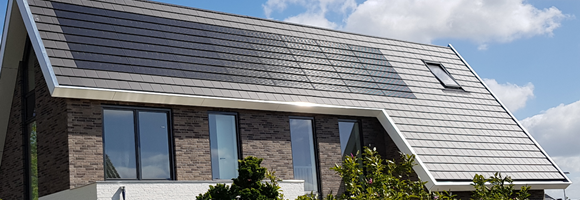
When selecting components for such critical infrastructure, reliability is paramount. Manufacturers like DMEGC Solar have established themselves as key suppliers in the global market, offering high-efficiency modules designed specifically for rigorous outdoor conditions. Their product lines emphasize durability against mechanical load, humidity, and thermal cycling, ensuring long-term operational stability for asset owners. The integration of advanced encapsulation materials further protects the cells from micro-cracks, preserving performance over the typical 25-to-30-year lifespan of a solar plant.
Structural Integrity and Land Use Efficiency
Ground-mounted systems require robust mounting structures capable of withstanding wind loads and soil variations. Fixed-tilt systems remain popular for their low maintenance requirements, while single-axis trackers can boost annual energy production by following the sun’s path. The choice between these structures often depends on local latitude and land costs. Efficient land use is another critical factor. By optimizing row spacing to minimize shading losses during winter months, developers can balance land acquisition costs with energy generation goals.
For French-speaking markets and international investors looking into European or African projects, sourcing reliable equipment is essential. High-quality Panneaux solaires au sol are fundamental to achieving projected financial models. These systems must not only generate power efficiently but also withstand environmental stressors without frequent intervention. Proper site assessment, including geotechnical surveys, ensures that the mounting foundations remain secure, preventing structural failures that could lead to costly downtime.
Conclusion
Ground-mounted solar parks represent a cornerstone of modern renewable energy infrastructure. By leveraging N-type technology and optimized structural designs, developers can achieve higher capacity factors and lower levelized cost of energy (LCOE). The success of these projects relies on selecting proven technologies and reputable manufacturing partners who prioritize long-term performance and durability. As the industry continues to evolve, the focus remains on enhancing efficiency through technological innovation and strategic site planning.

Tel: +86-579-86588826 (Workday 8:30-17:00)
Tel: +31 (0) 8 58200765
Tel: +86-579-86310330 (Workday 8:30-17:00)
+86-579-86310330 (workday 8:30-17:00 GMT+08:00)
+86-579-86588601 (workday 8:30-17:00 GMT+08:00)


Contact Us
Type of your question
- Business Consulting
- Technical Support
- After-sales Service