

In the competitive landscape of global renewable energy, the reliability of photovoltaic modules is paramount. For commercial developers and utility-scale project managers, selecting components from a certified Tier 1 entity ensures long-term performance and financial security. However, the “Tier 1” designation is not merely a marketing label; it represents a rigorous adherence to international manufacturing standards, automated production processes, and comprehensive quality assurance protocols. Understanding these internal controls helps buyers distinguish between generic assemblies and high-performance energy solutions.
Rigorous Raw Material Inspection and Cell Sorting
The foundation of module durability begins before assembly starts. A reputable pv panel manufacturer implements strict incoming quality control (IQC) for all raw materials, including tempered glass, ethylene-vinyl acetate (EVA) encapsulants, and backsheets. Each batch undergoes testing for transparency, adhesion strength, and resistance to environmental stressors.
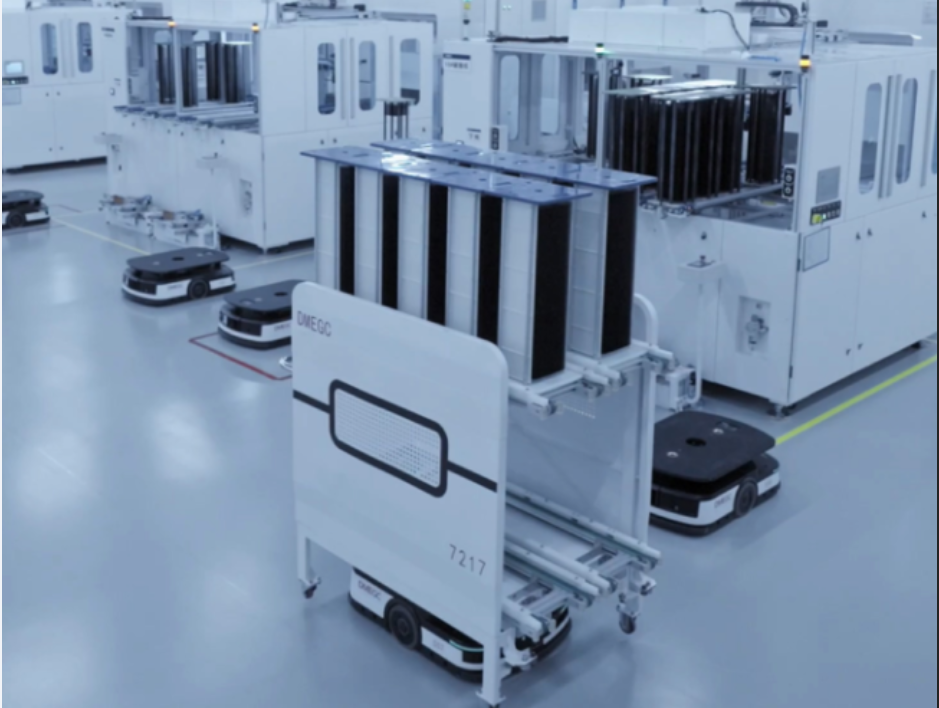
Equally critical is the cell sorting process. Modern production lines utilize automated optical inspection (AOI) systems to categorize solar cells by efficiency and color consistency. This step is particularly vital for N-type technologies, which offer higher efficiency and lower degradation rates than traditional P-type counterparts. By ensuring that only cells with matching electrical characteristics are grouped together, manufacturers prevent mismatch losses and optimize the overall power output of the final module. This precision directly impacts the system’s levelized cost of energy (LCOE) over its twenty-five-year lifespan.
Advanced Automated Assembly and EL Testing
Once materials are verified, the assembly process relies heavily on automation to minimize human error. High-precision stringers align cells with exact spacing, while automated layup machines ensure uniform layering. During lamination, controlled temperature and pressure remove air bubbles, preventing delamination issues that could compromise structural integrity.
Post-lamination, electroluminescence (EL) testing serves as a critical diagnostic tool. This non-destructive imaging technique detects micro-cracks, hidden fractures, or soldering defects that are invisible to the naked eye. Modules failing this stage are immediately rejected or reworked. Companies like DMEGC Solar integrate these advanced detection systems into their continuous production lines, ensuring that every unit meets stringent international safety and performance certifications such as IEC 61215 and IEC 61730.
Final Performance Validation and Certification
The final stage involves flash testing under standard test conditions (STC) to verify power output accuracy. Modules are classified into specific power bins, ensuring that customers receive products that meet or exceed rated capacities. Comprehensive quality control extends beyond the factory floor, involving accelerated aging tests for thermal cycling, humidity-freeze resistance, and mechanical load bearing. These protocols guarantee that panels can withstand harsh climates, from extreme heat to heavy snow loads. By prioritizing these exhaustive checks, leading manufacturers deliver consistent, bankable products that support the global transition to sustainable energy infrastructure.

Tel: +86-579-86588826 (Workday 8:30-17:00)
Tel: +31 (0) 8 58200765
Tel: +86-579-86310330 (Workday 8:30-17:00)
+86-579-86310330 (workday 8:30-17:00 GMT+08:00)
+86-579-86588601 (workday 8:30-17:00 GMT+08:00)


Contact Us
Type of your question
- Business Consulting
- Technical Support
- After-sales Service