

With the increasing focus on sustainability and renewable energy, solar canopies have emerged as a valuable solution for optimizing space while generating clean energy. These systems not only harness the sun’s power but also provide innovative uses for underutilized areas such as parking lots, roofs, and open land. As professionals at DMEGC Solar, we understand the nuances of solar technology and aim to shed light on the advantages and disadvantages of solar canopies, enabling better-informed decisions for potential investors.
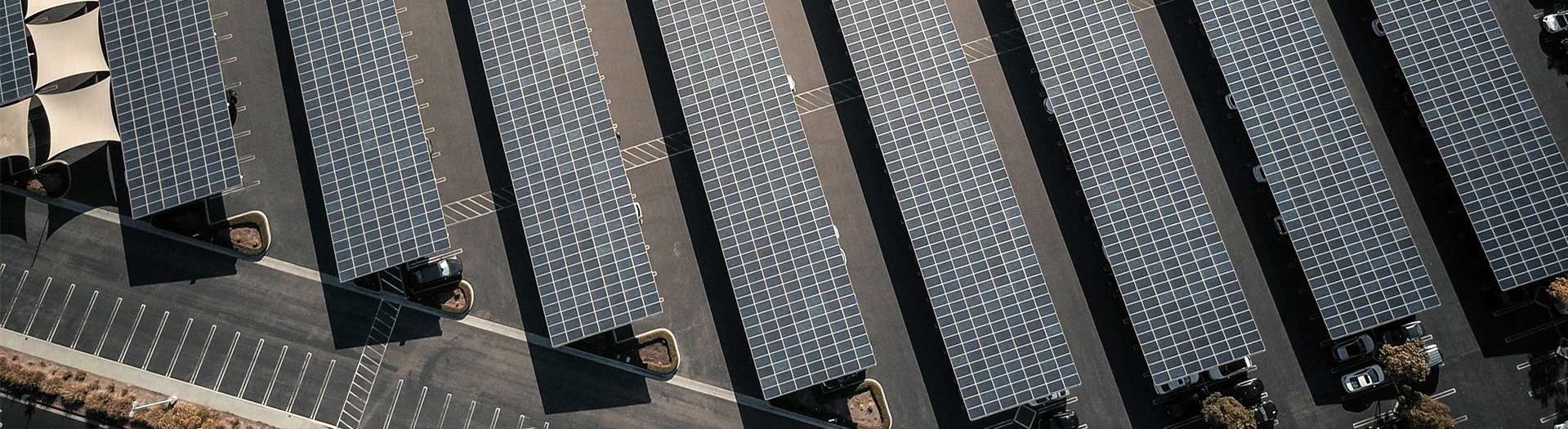
Understanding Solar Canopy Systems
Solar canopies are structures that can be installed above parking lots, walkways, or open areas. Primarily, they consist of photovoltaic (PV) panels mounted on a framework that provides shade while allowing sunlight to be captured for energy generation. The design of solar canopies can enhance the aesthetic appeal of a location while maximizing energy output. At DMEGC Solar, we pride ourselves on developing innovative solar solutions that consider both efficiency and the unique needs of our clients.
Advantages of Solar Canopies
One of the primary benefits of installing a solar canopy is its dual functionality. Beyond creating a shaded area, it allows property owners to utilize space that would otherwise be idle. This is particularly handy in urban settings where land is limited. Moreover, solar canopies support green initiatives by promoting renewable energy usage, contributing to lowered carbon footprints.
From a financial perspective, the investment in a solar canopy can yield significant long-term savings on electricity bills while enhancing property values. Properties equipped with solar installations frequently have a higher market appeal. At DMEGC Solar, our team designs solutions that optimize these benefits, ensuring that every installation aligns with environmental responsibilities.
Challenges to Consider
While solar canopies offer numerous advantages, they are not without their challenges. Initially, the upfront investment can be substantial. Installation costs can vary based on the complexity of the project and the specific technology used. Furthermore, not all locations are suitable for solar canopies. Factors such as local regulations, weather conditions, and available sunlight must be taken into account. Properties situated in areas with frequent shading from nearby buildings or trees may not see significant returns from such investments. Therefore, thorough site assessments are crucial before deciding on a solar canopy system.
The Role of DMEGC Solar in Your Project
Investing in a solar canopy requires expert analysis and project implementation. At DMEGC Solar, we focus on customer-centric approaches, providing tailored solutions for each unique location. Our team's expertise ensures that the ideal products, like the DMEGC series, are matched to the specific needs of your project, maximizing energy production while minimizing costs.
Conclusion
In conclusion, solar canopies present a practical and efficient approach to utilizing idle spaces for renewable energy generation. While they come with their challenges and financial considerations, the long-term benefits in sustainability and savings can outweigh the initial investment. By collaborating with professionals like those at DMEGC Solar, property owners can make informed decisions that support both their financial goals and environmental commitments.

Tel: +86-579-86588826 (Workday 8:30-17:00)
Tel: +31 (0) 8 58200765
Tel: +86-579-86310330 (Workday 8:30-17:00)
+86-579-86310330 (workday 8:30-17:00 GMT+08:00)
+86-579-86588601 (workday 8:30-17:00 GMT+08:00)


Contact Us
Type of your question
- Business Consulting
- Technical Support
- After-sales Service