

The integration of photovoltaic systems into agricultural practices, known as Agrivoltaics or Agri-PV, represents a significant shift in sustainable land use. This dual-use approach allows farmers to generate clean energy while maintaining crop production or livestock grazing on the same plot of land. As global demand for both food and renewable energy rises, selecting the right hardware becomes critical for maximizing yield and ensuring long-term operational efficiency. The choice of technology directly impacts light transmission, durability, and overall system performance in challenging outdoor environments.
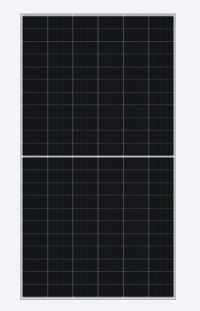
Technical Requirements for Agricultural Photovoltaics
Unlike standard rooftop installations, agricultural settings impose unique physical and environmental stresses on equipment. Modules must withstand higher humidity, exposure to fertilizers, and potential mechanical impact from farming machinery. Consequently, robustness is a primary consideration. High-quality frames with enhanced corrosion resistance are essential to prevent degradation over time. Furthermore, the structural integrity of the module must support larger spans if elevated mounting systems are used to allow tractor access underneath.
Light management is another crucial factor. Crops require specific spectra and intensity levels for photosynthesis. Therefore, the design of the array often involves strategic spacing or specialized semi-transparent modules. However, even with standard opaque panels, proper orientation and row spacing can mitigate shading effects. Advanced cell technologies play a vital role here. N-type solar cells, for instance, offer superior bifaciality coefficients compared to traditional P-type counterparts. This characteristic allows them to capture reflected light from the ground or surrounding vegetation, significantly boosting energy generation without increasing the physical footprint. This efficiency gain is particularly valuable in Agri-PV setups where land optimization is paramount.
Selecting the Right Partner and Product
When evaluating suppliers, international buyers should prioritize manufacturers with proven track records in both quality control and technological innovation. DMEGC Solar has established itself as a prominent player in this sector, offering a diverse portfolio that meets rigorous international standards. Their focus on high-efficiency modules ensures that agricultural projects can achieve optimal energy yields even under suboptimal lighting conditions caused by partial shading or weather variations.
For German-speaking markets and European developers, sourcing components that meet local regulatory and performance expectations is essential. A reliable Solarmodul solution must not only deliver high power output but also guarantee long-term reliability through comprehensive warranties. The shift towards N-type technology further enhances this reliability due to lower degradation rates over the system’s lifespan. This means that farmers and energy investors can expect consistent performance for decades, reducing the levelized cost of energy (LCOE).
Ultimately, the success of an Agri-PV project depends on harmonizing agricultural needs with energy production goals. By choosing modules designed for durability and high efficiency, stakeholders can create symbiotic systems that benefit both the farm and the grid. The industry continues to evolve, with ongoing research into cell structures and mounting techniques that further minimize conflict between crops and panels. As these technologies mature, Agri-PV will likely become a standard component of modern, sustainable farming infrastructure worldwide.

Tel: +86-579-86588826 (Workday 8:30-17:00)
Tel: +31 (0) 8 58200765
Tel: +86-579-86310330 (Workday 8:30-17:00)
+86-579-86310330 (workday 8:30-17:00 GMT+08:00)
+86-579-86588601 (workday 8:30-17:00 GMT+08:00)


Contact Us
Type of your question
- Business Consulting
- Technical Support
- After-sales Service