

The integration of building-applied photovoltaic (BAPV) systems into modern architecture marks a significant leap toward sustainable energy solutions. With the increasing demand for renewable energy sources, innovations in solar technology are paving the way for a future where buildings are not just energy consumers, but also energy generators. At DMEGC Solar, we have observed how the evolution of BAPV is transforming urban landscapes, providing both aesthetic appeal and functional benefits.
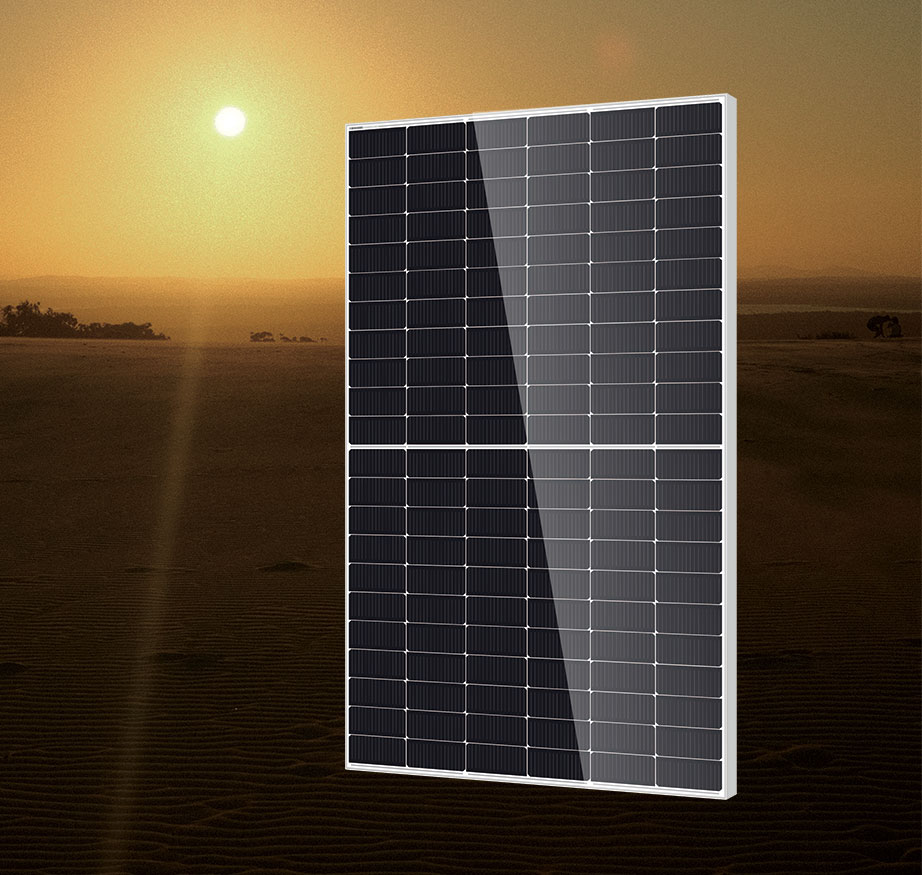
Enhancing Energy Efficiency through BAPV Systems
Energy efficiency is paramount in today's world, and BAPV systems contribute significantly to this goal. By integrating solar panels directly into the building's design—such as rooftops, facades, and windows—energy consumption can be significantly reduced. Advanced technologies, like those developed by DMEGC Solar, harness ultra-high power output, allowing buildings to generate substantial energy while maintaining architectural integrity. This results in lower utility bills and an impressive return on investment over time.
The Role of Temperature Coefficients in Solar Performance
One of the key factors influencing the performance of solar panels is the temperature coefficient. This metric measures how much a solar panel’s efficiency decreases as temperatures rise. Products developed by DMEGC Solar boast optimized temperature coefficients, ensuring that even in hot climates, our BAPV solutions maintain high efficiency. This innovation is crucial for areas with extreme weather conditions, where conventional solar panels might underperform, allowing users to benefit from consistent energy generation year-round.
Integrating Aesthetic Design with Functionality
The aesthetics of solar technology have come a long way from the bulky, unattractive panels of the past. Modern BAPV systems offer sleek designs that can seamlessly blend with the architectural elements of a building. This aesthetic integration can not only enhance the value of a property but also encourage widespread adoption of solar technology. At DMEGC Solar, we are committed to developing solutions that fulfill both functional energy needs and the visual appeal expected of contemporary structures.
Conclusion
As we look toward the future of BAPV technology, the potential for innovation continues to grow. With a focus on energy efficiency, optimized performance metrics, and attractive design, BAPV systems are set to redefine how we think about energy consumption in buildings. Through continual advancements, particularly from organizations like DMEGC Solar, our built environment can evolve into a sustainable paradigm, where energy independence becomes a reality for many. Embracing these technologies will not only foster environmental responsibility but also drive economic benefits, creating a brighter future for all.

Tel: +86-579-86588826 (Workday 8:30-17:00)
Tel: +31 (0) 8 58200765
Tel: +86-579-86310330 (Workday 8:30-17:00)
+86-579-86310330 (workday 8:30-17:00 GMT+08:00)
+86-579-86588601 (workday 8:30-17:00 GMT+08:00)


Contact Us
Type of your question
- Business Consulting
- Technical Support
- After-sales Service