

The global transition toward renewable energy has fundamentally altered the landscape of photovoltaic manufacturing. As governments and corporations intensify their decarbonization efforts, the demand for solar modules with superior performance metrics has surged. This shift places immense pressure on manufacturers to innovate beyond traditional polycrystalline and standard monocrystalline technologies. The future of the industry relies heavily on the ability to deliver consistent, high-yield energy generation under diverse environmental conditions. Consequently, procurement strategies are evolving to prioritize long-term reliability and advanced cell architecture over initial cost alone.
Technological Shifts in Photovoltaic Manufacturing
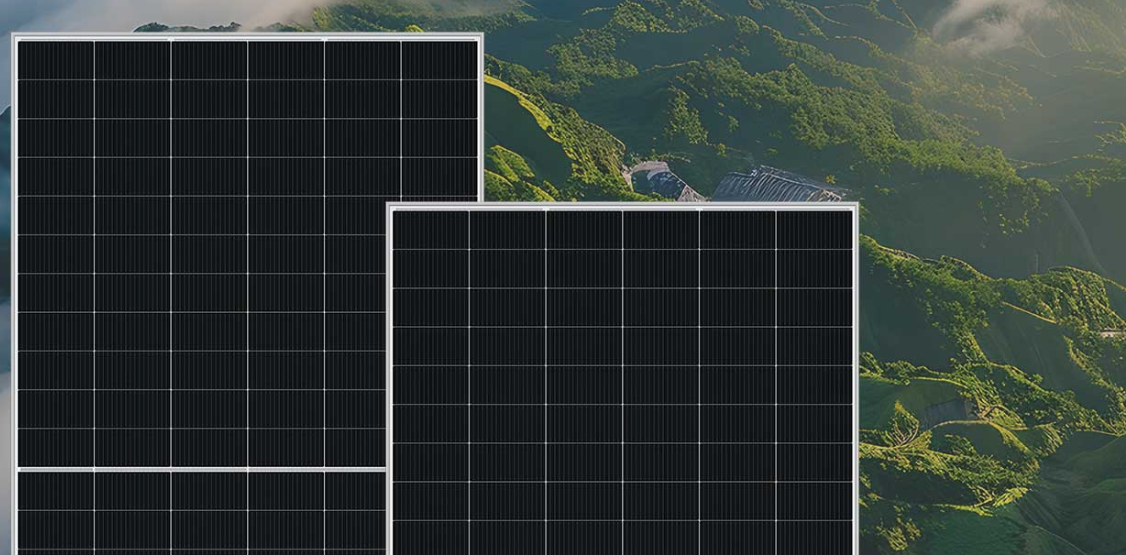
Recent advancements in cell technology have marked a decisive move toward N-type silicon wafers. Unlike previous generations, N-type cells offer higher efficiency ceilings and significantly lower degradation rates over time. This technological leap ensures that solar installations maintain optimal output for decades, reducing the levelized cost of energy (LCOE) for utility-scale projects and commercial rooftops. Manufacturers investing in these advanced production lines are better positioned to meet the rigorous standards of international markets. The integration of multi-busbar (MBB) technology and half-cut cell designs further minimizes resistive losses, enhancing overall module performance. These innovations require precise engineering and strict quality control protocols, distinguishing leading producers from generic assemblers.
Evaluating Reliability and Supply Chain Stability
For international buyers, selecting a partner involves more than reviewing datasheets. Supply chain resilience has become a critical factor in vendor selection. Disruptions in raw material availability can delay projects and inflate costs. Established manufacturers with vertically integrated operations can mitigate these risks by controlling key stages of production, from ingot pulling to final module assembly. DMEGC Solar exemplifies this approach by leveraging its extensive experience in magnetic materials and photovoltaics to ensure stable supply chains and consistent product quality. This vertical integration allows for better oversight of material purity and manufacturing precision, which are vital for maintaining high conversion efficiencies.
Strategic Partnerships for Long-Term Value
The role of a manufacturer extends beyond mere product delivery. It encompasses technical support, warranty security, and continuous research and development. Buyers must assess whether a supplier possesses the financial stability and technical expertise to honor long-term performance guarantees. Partnering with a reputable high efficiency solar panels supplier ensures access to cutting-edge technology and reliable after-sales service. Such partnerships facilitate smoother project execution and provide confidence in the asset’s long-term viability. As the market matures, the differentiation between suppliers will increasingly depend on their ability to provide comprehensive solutions rather than just hardware.
In conclusion, the future of solar procurement lies in aligning with manufacturers who prioritize technological innovation, supply chain integrity, and long-term partnership value. By focusing on these core elements, stakeholders can secure sustainable energy solutions that meet the growing demands of a low-carbon economy.

Tel: +86-579-86588826 (Workday 8:30-17:00)
Tel: +31 (0) 8 58200765
Tel: +86-579-86310330 (Workday 8:30-17:00)
+86-579-86310330 (workday 8:30-17:00 GMT+08:00)
+86-579-86588601 (workday 8:30-17:00 GMT+08:00)


Contact Us
Type of your question
- Business Consulting
- Technical Support
- After-sales Service