

The integration of renewable energy infrastructure into residential real estate has shifted from a niche luxury to a significant market driver. As global energy prices fluctuate and environmental awareness grows, homebuyers increasingly prioritize energy efficiency. For property owners and real estate professionals, understanding the tangible financial benefits of solar adoption is crucial. Photovoltaic installations do more than reduce monthly utility bills; they fundamentally enhance asset valuation through multiple economic and aesthetic channels.
Reduced Operational Costs and Higher Net Operating Income
The most immediate impact of solar energy is the reduction of ongoing operational expenses. Homes equipped with photovoltaic modules generate their own electricity, significantly lowering dependence on the grid. This reduction in monthly overhead translates directly into higher disposable income for homeowners, a factor that appraisers and buyers heavily weigh. When a property demonstrates lower utility costs, its effective net operating income increases, making it more attractive in competitive housing markets. Buyers are often willing to pay a premium for a home that guarantees lower long-term living expenses, effectively capitalizing the value of future energy savings into the present sale price.
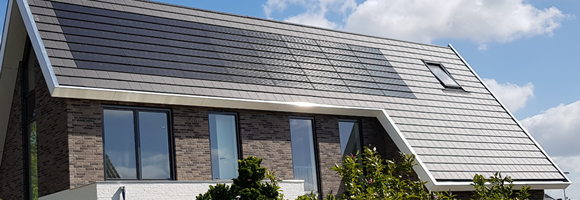
Enhanced Market Appeal Through Modern Aesthetics and Technology
Modern solar technology has evolved to complement architectural design rather than detract from it. High-efficiency modules, such as those utilizing N-type cell technology, offer superior performance and sleek, all-black aesthetics that appeal to contemporary tastes. These advanced panels provide better temperature coefficients and lower degradation rates, ensuring long-term reliability. The presence of such high-tech infrastructure signals to potential buyers that the property is modern, well-maintained, and forward-thinking. This perceived quality upgrade can differentiate a listing in a saturated market, attracting a demographic of buyers who value sustainability and technological integration.
Government Incentives and Transferable Warranties
Many regions offer tax credits, rebates, or renewable energy certificates that can enhance a property’s financial profile. While some incentives apply to the original installer, the existence of a compliant, permitted system adds verified value to the home. Furthermore, leading manufacturers like DMEGC Solar provide robust product warranties and performance guarantees. These transferable assurances protect the new owner from unexpected repair costs, reducing the perceived risk of purchasing a home with existing solar infrastructure. The security of a long-term warranty acts as a powerful closing tool during negotiations.
Future-Proofing Against Energy Volatility
As traditional energy sources face geopolitical and supply chain uncertainties, energy independence becomes a prized asset. Homes with residential solar systems are insulated from drastic rate hikes, offering stability that conventional homes cannot match. This resilience is increasingly factored into property valuations, as buyers seek protection against future economic volatility. By investing in solar, homeowners not only contribute to a sustainable future but also secure a measurable increase in their property’s resale potential, ensuring a stronger return on investment when it is time to sell.

Tel: +86-579-86588826 (Workday 8:30-17:00)
Tel: +31 (0) 8 58200765
Tel: +86-579-86310330 (Workday 8:30-17:00)
+86-579-86310330 (workday 8:30-17:00 GMT+08:00)
+86-579-86588601 (workday 8:30-17:00 GMT+08:00)


Contact Us
Type of your question
- Business Consulting
- Technical Support
- After-sales Service