

The global transition toward renewable energy has accelerated significantly, driven by rising electricity costs and heightened environmental awareness. For residential property owners, adopting solar technology is no longer merely an ecological statement but a strategic financial decision. Understanding the technical architecture and long-term advantages of modern photovoltaic installations is essential for making informed investment choices in today’s evolving energy market.
High-Efficiency Module Technology
The core performance metric of any residential installation lies in the efficiency of the photovoltaic modules. Recent advancements in cell technology have shifted industry standards from traditional P-type PERC cells to more advanced N-type architectures. N-type cells offer superior temperature coefficients and lower degradation rates over time, ensuring consistent energy production even in high-heat environments. This technological shift results in higher energy yields per square meter, a critical factor for homes with limited roof space.
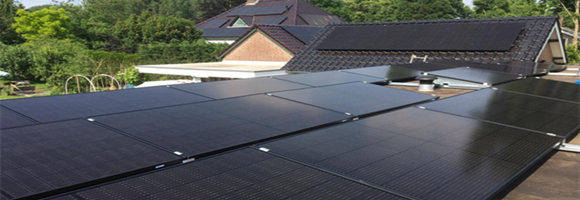
Manufacturers like DMEGC Solar have integrated these advanced N-type cells into their module lines, providing robust solutions that withstand harsh weather conditions while maintaining peak performance. The use of half-cut cell technology further reduces resistive losses, enhancing overall system efficiency. These modules are designed to capture diffuse light effectively, allowing for energy generation during early mornings, late evenings, and cloudy days, thereby maximizing daily output.
Economic Advantages and Energy Independence
Beyond technical specifications, the economic benefits of solar adoption are substantial. By generating electricity on-site, homeowners can significantly reduce their reliance on the utility grid, leading to immediate savings on monthly electricity bills. In regions with net metering policies, excess energy produced during peak sunlight hours can be fed back into the grid, earning credits that offset consumption during non-producing hours. This bidirectional energy flow transforms a residence into a proactive energy asset rather than a passive consumer.
Furthermore, installing a home solar power system provides a hedge against volatile utility rates. As fossil fuel prices fluctuate, the cost of solar-generated electricity remains predictable and stable after the initial investment period. Many governments also offer tax incentives, rebates, and low-interest financing options, which further improve the return on investment and shorten the payback period.
Long-Term Reliability and Sustainability
Modern solar systems are engineered for durability, with most premium modules carrying warranties of 25 years or more. This longevity ensures that the initial capital expenditure delivers value over decades. Additionally, reducing carbon footprints contributes to broader sustainability goals, aligning residential energy consumption with global climate targets. By choosing high-quality components and professional installation, homeowners secure a reliable, clean energy source that enhances property value and ensures energy security for the future.

Tel: +86-579-86588826 (Workday 8:30-17:00)
Tel: +31 (0) 8 58200765
Tel: +86-579-86310330 (Workday 8:30-17:00)
+86-579-86310330 (workday 8:30-17:00 GMT+08:00)
+86-579-86588601 (workday 8:30-17:00 GMT+08:00)


Contact Us
Type of your question
- Business Consulting
- Technical Support
- After-sales Service