

The evolution of commercial solar panels has been marked by significant advancements in technology, efficiency, and public awareness. As the world shifts towards sustainable energy solutions, these solar panels have become essential for businesses looking to reduce their carbon footprint and operational costs. As part of this movement, our company, DMEGC Solar, play a vital role in providing high-quality solar products tailored for various commercial applications.
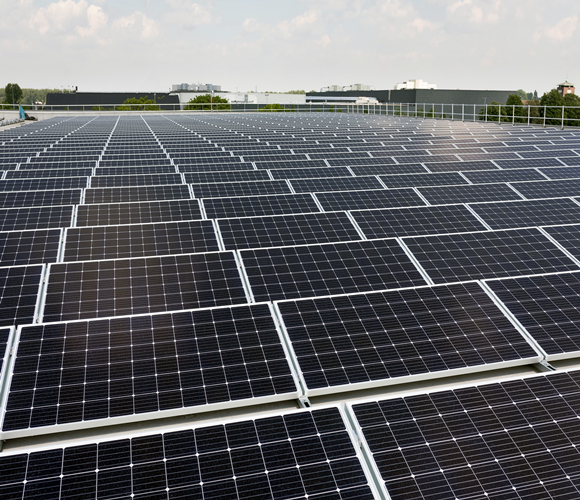
Understanding the Foundations of Commercial Solar Technology
Solar energy technology has its roots in the mid-20th century, but the deployment of commercial solar panels truly began to gain traction in the 1970s during the oil crisis. This period ignited interest in renewable energy sources, leading to government incentives for solar energy installation. As research and development progressed, the efficiency of solar cells improved significantly— transitioning from the silicon-based solar cells that were primarily used in early installations to more sophisticated technologies today.
The initial development saw the introduction of solar panels that were not only more cost-effective but also more reliable, paving the way for businesses to invest in commercial solar panels. Over the years, modular designs have evolved, allowing for larger installations that could cater to the energy needs of commercial entities.
Innovations Driving Today’s Commercial Solar Panels
The modern era has witnessed a surge in innovation within the solar industry, especially with the specifications of commercial solar panels making strides in efficiency and design. One notable development is the introduction of different module types, such as Y-framed, EC-framed, and Transparent modules, which cater to specific needs for rooftops and innovative applications like Agri-PV.
At DMEGC Solar, we understand the importance of providing versatile solutions that meet diverse energy demands. Our portfolio includes high-performance modules that come with up to a 30-year power warranty, reinforcing reliability. This innovation ensures businesses can depend on their solar installations for decades, maximizing return on investment while contributing to sustainability goals.
The Role of Policy and Public Awareness
Government policies have been instrumental in shaping the development and adoption of commercial solar panels. In many regions, incentives such as tax credits and rebates have lowered the barriers for businesses interested in switching to solar energy. Public awareness campaigns and education surrounding the benefits of renewable energy have also played a crucial role in promoting the installation of commercial solar systems.
Furthermore, the growing concern about climate change has propelled businesses to explore alternate energy sources, thus increasing the demand for commercial solar solutions. In this evolving landscape, our company, DMEGC Solar, are committed to educating clients about the benefits of solar energy, helping them navigate the complexities of installation and maintenance.
Conclusion
In summary, the journey of commercial solar panels from their inception to the current day reflects a combination of technological innovation, supportive policies, and an increasing global consciousness about sustainability. As we witness the continual growth of this industry, we at DMEGC Solar are at the forefront of providing reliable, efficient solar solutions that empower businesses to harness the sun's energy effectively. As solar technology continues to evolve, we anticipate even greater advancements that will further enhance the performance and accessibility of solar energy solutions for commercial applications.

Tel: +86-579-86588826 (Workday 8:30-17:00)
Tel: +31 (0) 8 58200765
Tel: +86-579-86310330 (Workday 8:30-17:00)
+86-579-86310330 (workday 8:30-17:00 GMT+08:00)
+86-579-86588601 (workday 8:30-17:00 GMT+08:00)


Contact Us
Type of your question
- Business Consulting
- Technical Support
- After-sales Service