

Residential energy production undergoes a significant shift as more homeowners transition to sustainable power sources. Implementing rooftop solar panels for homes involves a detailed technical process that converts sunlight into usable electricity through the photovoltaic effect. This method relies on semiconductor materials within the panels to capture photons, which then release electrons to create an electric current. By installing these systems on residential structures, property owners create an independent power station that reduces reliance on traditional utility grids. The efficiency of such a setup depends heavily on the orientation of the roof, the local climate conditions, and the quality of the hardware utilized during the installation phase.
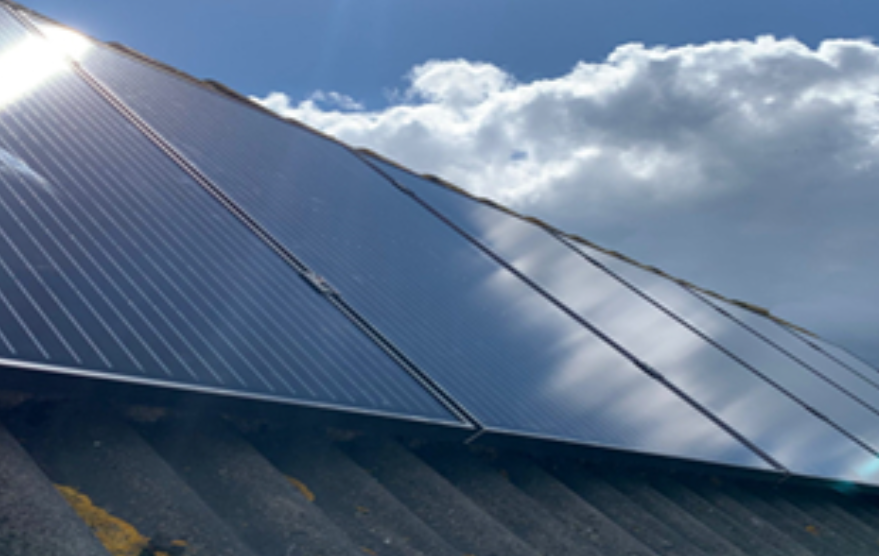
Technical Components of Residential Photovoltaic Systems
A functional solar array consists of several critical pieces of hardware working in harmony to provide energy. Beyond the rooftop solar panels for homes themselves, the system requires high-efficiency inverters to convert direct current (DC) into alternating current (AC) for household appliances. Mounting structures must be engineered to withstand wind loads and environmental stressors over several decades. Modern modules feature advanced cell architectures, such as N-type or PERC technologies, which optimize light absorption even during overcast days. Furthermore, the integration of monitoring software allows residents to track energy yields in real-time, ensuring that the hardware operates at peak performance levels throughout the changing seasons.
Strategic Advantages of High-Performance Solar Modules
DMEGC Solar provides a range of high-efficiency modules specifically engineered to maximize power output within limited roof spaces. Their product introduction focuses on durability and long-term reliability, ensuring that the solar cells maintain high conversion rates over their operational lifespan. By utilizing sophisticated manufacturing processes, these modules minimize energy loss and enhance the overall return on investment for the user. High-performance units are particularly effective for residences with complex roof shapes or shading challenges, as they maintain consistent voltage levels. This focus on engineering excellence ensures that the household benefits from a steady supply of clean energy while contributing to broader environmental sustainability goals.
Integration and Maintenance for Long-Term Efficiency
Successful adoption of rooftop solar panels for homes requires a comprehensive approach to both initial setup and ongoing care. Proper placement is vital; technicians must calculate the precise tilt angle to capture the maximum amount of solar radiation available at a specific latitude. Once the system is active, routine maintenance typically involves checking for debris and ensuring that electrical connections remain secure. Because these systems are exposed to the elements, the glass surfaces must remain clean to prevent light obstruction. When managed correctly, a residential solar installation functions as a robust asset that provides predictable energy costs and enhances the resilience of the local energy infrastructure against market fluctuations.
The transition to decentralized energy via rooftop solar panels for homes represents a logical step toward a more sustainable and cost-effective future. By prioritizing high-quality components and precise technical execution, homeowners can effectively harness natural resources to meet their daily electricity demands. As technology continues to evolve, the integration of these systems becomes increasingly seamless, offering a reliable path toward energy independence. Investing in a well-engineered solar solution ensures that residential properties remain modern, efficient, and aligned with global shifts toward renewable power. Focusing on the science behind the panels allows for a deeper appreciation of the quiet, powerful work they perform every day on rooftops across the globe.

Tel: +86-579-86588826 (Workday 8:30-17:00)
Tel: +31 (0) 8 58200765
Tel: +86-579-86310330 (Workday 8:30-17:00)
+86-579-86310330 (workday 8:30-17:00 GMT+08:00)
+86-579-86588601 (workday 8:30-17:00 GMT+08:00)


Contact Us
Type of your question
- Business Consulting
- Technical Support
- After-sales Service