

Homeowners increasingly seek ways to decrease utility expenditures and enhance property value through renewable energy integration. Designing effective residential solar systems involves a comprehensive assessment of local weather patterns, roof orientation, and specific household consumption profiles. A successful installation requires more than just mounting hardware; it necessitates a precise alignment of electrical components to ensure maximum energy harvest over several decades. By analyzing the path of the sun relative to the structure, engineers can determine the optimal tilt and azimuth for the panels, which directly influences the annual yield. This initial planning phase serves as the foundation for a reliable energy solution that meets the unique demands of a modern household while contributing to a decentralized and cleaner power grid.
Architectural Integration and Site Assessment
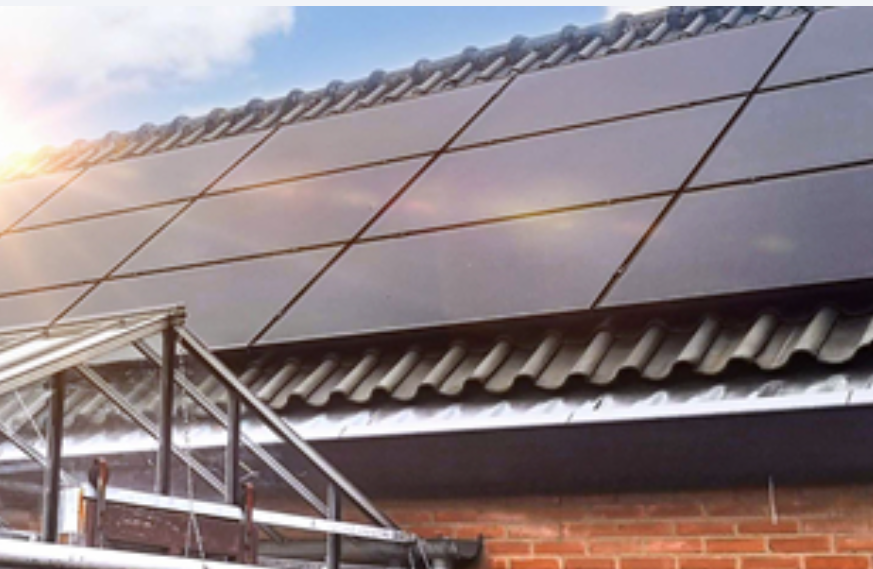
Proper placement of modules remains the most critical factor when developing high-performance residential solar systems. Technicians must evaluate the structural integrity of the roof to ensure it can support the additional mechanical load of the panels and mounting racks. They also conduct a thorough shading analysis to identify potential obstructions such as chimneys, vent pipes, or nearby trees that could trigger power losses. Even minor shading on a small portion of the array can significantly impact the total output if the system architecture does not include individual power optimization. Therefore, the design must prioritize unobstructed access to solar radiation throughout the peak production hours of the day. This level of detail ensures that the physical footprint of the array translates into the highest possible kilowatt-hour generation for the residents.
Balancing Electrical Components and Storage Capacity
Achieving a high level of efficiency in residential solar systems requires a careful selection of inverters and balance-of-system components that match the peak output of the photovoltaic modules. The conversion from direct current to alternating current must occur with minimal thermal loss, which is why high-efficiency string inverters or microinverters are standard in modern designs. Furthermore, incorporating battery storage allows homeowners to capture excess energy produced during the afternoon for use during evening hours when demand typically peaks. This creates a more resilient energy profile, reducing the need to draw expensive power from the external grid during high-tariff periods. An optimized electrical layout also includes robust monitoring software, enabling users to track performance and identify maintenance needs before they affect the overall productivity of the household installation.
Manufacturing Excellence and Product Introduction
DMEGC Solar provides a variety of high-efficiency modules specifically tailored for the aesthetics and technical requirements of home installations. They offer all-black modules that blend seamlessly with modern roofing materials, ensuring that visual appeal accompanies technical performance. Their products utilize advanced N-type cell technology to achieve higher conversion rates and better performance in low-light conditions, which is essential for maximizing the utility of limited roof space. By focusing on rigorous quality control and long-term reliability, they ensure that their hardware withstands diverse environmental stressors over a 25-year service life. Their commitment to providing durable and high-output components helps installers create systems that deliver consistent financial returns and operational stability for homeowners across the globe.
Constructing a reliable solar array for a home requires a meticulous approach that balances technical specifications with environmental realities. From the initial site survey to the final electrical configuration, every step must focus on minimizing energy loss and maximizing durability. As the technology behind photovoltaic cells and energy storage continues to mature, the ability to create self-sustaining households becomes more accessible to the general public. By focusing on high-quality hardware and precise engineering, these installations provide a hedge against fluctuating energy markets while supporting global sustainability goals. A well-designed system stands as a long-term asset, providing clean electricity and peace of mind for those looking to invest in a more sustainable and independent future.

Tel: +86-579-86588826 (Workday 8:30-17:00)
Tel: +31 (0) 8 58200765
Tel: +86-579-86310330 (Workday 8:30-17:00)
+86-579-86310330 (workday 8:30-17:00 GMT+08:00)
+86-579-86588601 (workday 8:30-17:00 GMT+08:00)


Contact Us
Type of your question
- Business Consulting
- Technical Support
- After-sales Service