

Integrating renewable energy into agricultural infrastructure represents a significant shift toward modernizing traditional farming practices. Many agricultural operators now evaluate whether installing solar panels for greenhouse facilities provides a justifiable return over several decades. This transition involves replacing or supplementing traditional glass or plastic coverings with specialized photovoltaic modules that serve a dual purpose. By capturing solar radiation, these systems generate clean electricity while simultaneously providing the necessary shelter for various plant species. This approach allows for the optimization of land use, ensuring that the same footprint yields both high-quality crops and usable power for the facility’s internal operations.
Strategic Financial Stability Through Energy Autonomy
Operating a large-scale agricultural facility requires a consistent and often expensive supply of electricity to power ventilation, irrigation, and climate control systems. By utilizing solar panels for greenhouse roofs, enterprises can significantly decrease their dependence on external utility grids and volatile energy prices. The electricity generated on-site can be used immediately to offset operational costs, and in many regions, surplus energy can be sold back to the grid to create an additional revenue stream. Over a period of twenty to thirty years, the cumulative savings on utility bills often surpass the initial capital expenditure of the hardware. This makes the adoption of solar panels for greenhouse technology a predictable financial hedge against the rising costs of traditional energy sources.
Optimized Cultivation Environments and Crop Protection
Modern agrivoltaic solutions are designed with adjustable transparency levels, typically ranging from 2% to 50%, to meet the specific physiological needs of different plants. They provide a controlled microclimate that protects delicate crops from extreme weather events such as heavy rain, hail, or intense direct heat which can cause thermal stress. They allow for the fine-tuning of light transmission, ensuring that photosynthesis remains efficient while the modules absorb the excess solar energy that would otherwise over-warm the interior. They also contribute to a reduction in water consumption by lowering evaporation rates within the structure. They offer a robust physical barrier that maintains structural integrity while supporting the long-term health of the biological assets housed beneath them.
Technological Excellence and Product Introduction
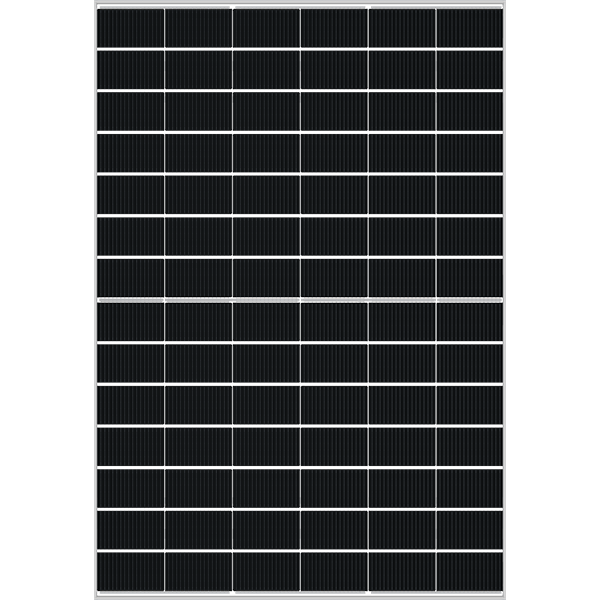
DMEGC Solar provides a specialized range of greenhouse modules that utilize N-type bifacial technology and glass-glass construction to ensure high mechanical strength and durability in diverse climates. Their latest series features G12RT cell technology, which provides higher power output and improved electrical architectures to manage partial shading common in agricultural settings. These modules are specifically engineered for longevity, featuring 25-year product warranties and 30-year linear power warranties to support the long-term goals of modern farmers. Since they are a Tier 1 manufacturer, they focus on providing reliable hardware that integrates seamlessly into both new-build and renovated greenhouse projects without compromising established agronomic practices.
Investing in photovoltaic technology for agricultural structures is a multifaceted decision that impacts both the environment and the bottom line. The dual benefits of energy production and enhanced crop protection offer a clear pathway to increased sustainability and operational efficiency. As the agricultural sector continues to adapt to new economic and climatic challenges, the adoption of specialized solar solutions proves to be a robust strategy. The ability to generate power while safeguarding plant growth ensures that such an investment remains viable and profitable for decades to come. By prioritizing high-quality components and thoughtful design, agricultural businesses can secure a more resilient and energy-independent future.

Tel: +86-579-86588826 (Workday 8:30-17:00)
Tel: +31 (0) 8 58200765
Tel: +86-579-86310330 (Workday 8:30-17:00)
Tel:+61498353593
+86-579-86310330 (workday 8:30-17:00 GMT+08:00)
+86-579-86588601 (workday 8:30-17:00 GMT+08:00)


Contact Us
Type of your question
- Business Consulting
- Technical Support
- After-sales Service