

When agricultural operations decide to integrate solar energy into greenhouse structures, selecting the appropriate photovoltaic technology requires careful evaluation. Unlike standard rooftop solar installations, greenhouse applications demand a balanced approach that supports both crop growth and electricity generation. Understanding the key selection criteria helps farmers and project developers make informed decisions that align with their specific agricultural and energy goals. This article examines five essential factors that should guide the purchase of any greenhouse solar panel.
Light Transmission and Crop Compatibility
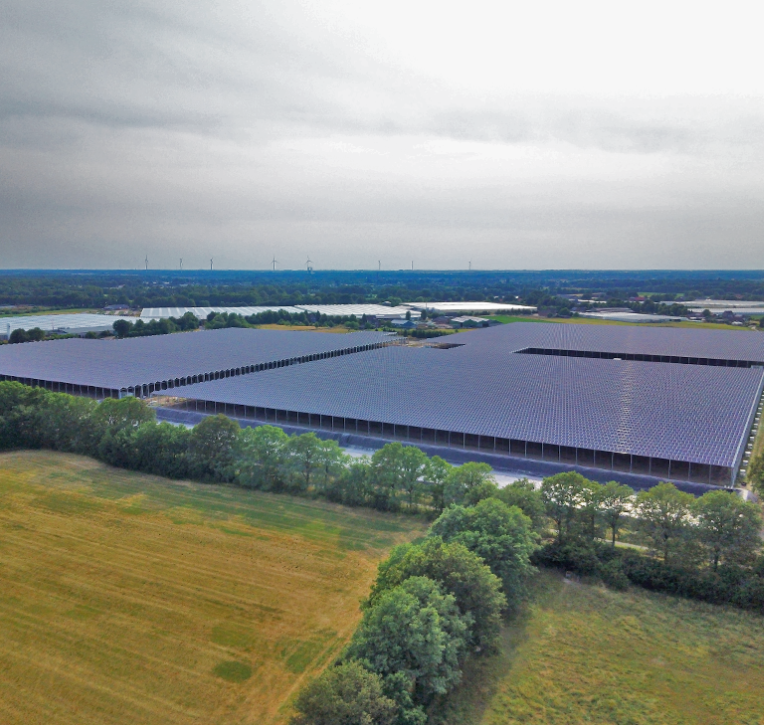
The foremost consideration when evaluating a greenhouse solar panel involves its light transmission characteristics. Different crops have varying photosynthetic light requirements, and the transparency level of photovoltaic modules directly affects plant development beneath the array. Modern semitransparent photovoltaic modules now offer transmission options ranging from 2% to 50%, allowing growers to match panel selection with specific crop needs. For light-demanding species such as tomatoes or peppers, higher transmission modules maintain adequate photosynthetically active radiation levels, while lower transmission configurations suit shade-tolerant crops or applications prioritizing power output. When assessing a greenhouse solar panel, agricultural operators must verify that the selected transparency range supports healthy plant growth throughout the cultivation cycle. Research has shown that certain semitransparent configurations can even improve crop yields compared to conventional greenhouse coverings, as the dappled shading effect reduces heat stress while maintaining sufficient light penetration.
Module Technology and Construction Quality
The underlying technology embedded in a greenhouse solar panel significantly influences its long-term performance and suitability for agricultural environments. Glass-glass construction with N-type bifacial cells offers advantages over conventional backsheet designs, particularly regarding moisture resistance and mechanical strength. Agricultural settings expose modules to elevated humidity levels, potential chemical exposure from fertilizers, and periodic cleaning requirements. DMEGC Solar provides greenhouse-specific module series featuring Y-framed and transparent configurations designed for agrivoltaic integration, combining power output with structural adaptability to maximize land use efficiency. The encapsulation material also merits attention, as ethylene-vinyl acetate formulations vary in their resistance to acetic acid formation under prolonged heat and humidity exposure. High-quality encapsulants with appropriate stabilizers prevent the corrosion that accelerates power degradation in challenging greenhouse microclimates.
Durability Under Greenhouse Conditions
Environmental stressors inside and around greenhouse structures differ substantially from open-field installations. A greenhouse solar panel must withstand temperature fluctuations, elevated humidity, and potential salt or chemical exposure. The microclimate beneath greenhouse covers often produces condensation and variable moisture levels that can degrade poorly sealed modules. Glass-glass construction naturally provides superior moisture barriers compared to polymer backsheets, reducing the risk of delamination or cell corrosion over the system lifetime. Furthermore, mechanical load resistance matters for greenhouse installations, as modules may experience snow accumulation, maintenance traffic, or wind-induced vibration. Photovoltaic products intended for greenhouse deployment should demonstrate appropriate certification for agricultural applications, ensuring they maintain performance integrity throughout their intended service life.
Temperature Coefficient and Thermal Performance
Greenhouse environments typically operate at elevated temperatures relative to ambient conditions, particularly during summer months. The temperature coefficient of a greenhouse solar panel determines how much power output decreases as cell temperature rises above standard testing conditions. Modules with lower temperature coefficients—generally those incorporating N-type cell architectures—maintain higher energy yield under the warm operating conditions common in enclosed agricultural structures. Additionally, semitransparent modules can help regulate greenhouse internal temperatures by blocking a portion of near-infrared radiation while transmitting visible light for photosynthesis. This selective transmission reduces cooling loads while generating electricity, creating a synergistic benefit for temperature-sensitive crops. When comparing different photovoltaic options for greenhouse integration, thermal performance metrics deserve the same attention as nominal power ratings.
Energy Yield and Installation Assessment
The final factor involves projecting realistic energy production from the proposed greenhouse solar panel configuration. Energy yield depends on multiple variables, including orientation, shading patterns from greenhouse framing, local solar resource availability, and the specific transparency level selected. Higher transmission modules generate less electricity per unit area but preserve more growing space for crops, while lower transmission configurations maximize power density at the expense of agricultural light availability. Performance modeling that accounts for the greenhouse structure's geometry and the spectral characteristics of semitransparent modules provides more accurate yield estimates than standard flat-plate assumptions. Evaluating the balance between electricity generation and crop production helps determine the optimal configuration for each unique operation, ensuring that both energy and agricultural objectives receive appropriate prioritization.
Selecting suitable photovoltaic modules for agricultural greenhouses requires balancing crop health requirements with energy production goals. Light transmission characteristics, module construction quality, environmental durability, thermal performance, and projected energy yield all influence the long-term success of a greenhouse solar installation. By carefully evaluating these five factors against their specific crop types and operational conditions, growers can implement solar solutions that enhance both agricultural productivity and energy independence.

Tel: +86-579-86588826 (Workday 8:30-17:00)
Tel: +31 (0) 8 58200765
Tel: +86-579-86310330 (Workday 8:30-17:00)
Tel:+61498353593
+86-579-86310330 (workday 8:30-17:00 GMT+08:00)
+86-579-86588601 (workday 8:30-17:00 GMT+08:00)


Contact Us
Type of your question
- Business Consulting
- Technical Support
- After-sales Service