

Combining solar energy generation with crop cultivation on the same plot of land represents a relatively recent evolution in photovoltaic deployment, raising the question of how specialized hardware compares with conventional solar arrays. An agri pv module differs from a standard solar panel in ways that extend well beyond its electrical specifications, because it must serve two masters simultaneously: the power grid and the plant canopy below. Traditional solar installations prioritize maximum energy harvest per unit area, with opaque modules packed densely in portrait or landscape orientation and tilted toward the equator. Agricultural photovoltaic systems, by contrast, modulate the quantity and spectral quality of light that reaches the soil, deliberately sacrificing a portion of electrical output to maintain photosynthesis. Evaluating which approach is better requires shifting the frame of reference from a single metric—kilowatt-hours per hectare—to a broader assessment of land productivity, microclimatic influence, and revenue diversification. Both configurations share the same underlying semiconductor physics, yet they embody distinct engineering philosophies that suit different landscapes and economic goals.
Structural Design and Light Transmission Characteristics
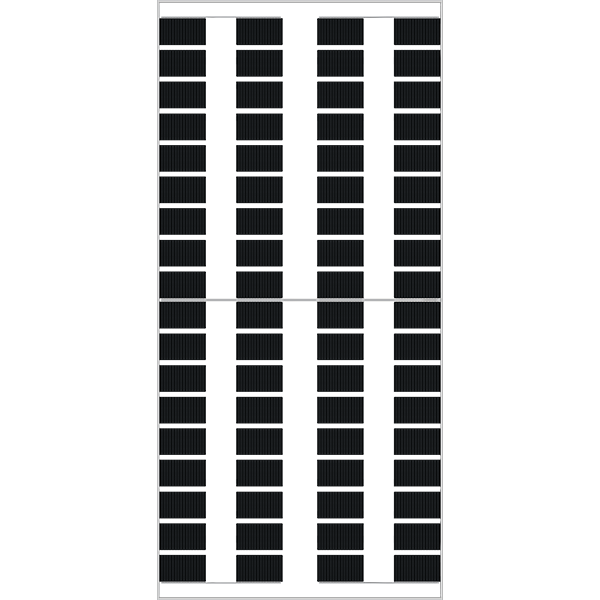
The physical architecture of a traditional ground-mounted array treats the land beneath the panels as non-productive space, often covered with gravel, mown grass, or pollinator habitat. Panels are mounted on low fixed-tilt racking that intercepts practically all direct sunlight, leaving only diffuse skylight for the ground. An agri pv module, on the other hand, is typically deployed on elevated structures that raise the lower edge significantly above the surface, creating clearance for tractors, livestock, or workers. Moreover, the module layout often incorporates deliberate gaps between cells or uses semi-transparent materials to permit a calculated fraction of photosynthetically active radiation to pass through. Bifacial cell technology can further enhance the light environment by converting rear-side irradiance reflected from soil and vegetation, while still allowing some transparency. The spatial arrangement of an agri pv module array is engineered with row spacing and orientation that prioritize the solar requirements of the specific crop below, whether that means wider inter-row distances for sun-loving plants or denser configurations for shade-tolerant species. This structural divergence means that comparing the two systems purely on wattage density fails to capture the multifunctional nature of agricultural solar.
Influence on Crop Yield and Microclimate Management
Traditional solar farms exclude nearly all agricultural activity, making them suitable mainly for non-arable land or dual use with extensive grazing. Agri PV, conversely, actively manages the light and moisture environment around plants. By intercepting a portion of midday irradiance, the modules reduce peak heat stress and evapotranspiration, which can be beneficial in arid and semi-arid regions where water is a limiting factor. The partial shade created by an agri pv module can stabilize soil temperature fluctuations and protect sensitive crops from hail or heavy rain, while still delivering enough light for metabolic processes. However, insufficient light transmission will depress yields, so module density and transparency must be matched carefully to the saturation point of the chosen cultivar. The interaction between panel height, tilt, and row orientation determines the spatial uniformity of light on the ground, influencing whether crops experience patchy growth or consistent development. In this sense, the superiority of one system over the other is not absolute but depends on whether the land manager values the agricultural harvest alongside the electrical harvest. Where food production is a non-negotiable land use, a well-designed agrivoltaic installation provides a pathway to stack outputs that a conventional array cannot offer.
Energy Yield Trade-Offs and Equipment Selection
From an electrical perspective, traditional high-density arrays maximize direct normal irradiance capture, generating the highest possible kilowatt-hours per installed megawatt on a given parcel. Agri PV systems deliberately reduce the ground coverage ratio and often orient modules to balance light sharing, which results in a lower energy output per unit of land area compared with a pure power plant design. That said, the module-level technology can be equally advanced. Elevated agrivoltaic panels benefit from improved rear-side ventilation, lowering cell temperatures and boosting voltage output, partly offsetting the losses from wider spacing. DMEGC Solar supplies an agri pv module built with N-type cell architecture, which maintains strong low-light performance and exhibits minimal annual degradation, attributes that are valuable when light conditions beneath the array vary across the day. Inverter selection and string design remain similar to traditional systems, though agrivoltaic layouts often demand longer cable runs and careful management of shading from adjacent rows. When assessed over a full year, the combined value of electricity and agricultural produce can exceed the single-revenue stream of a conventional solar farm, but this depends on crop market prices, local electricity tariffs, and the capital cost of elevated mounting structures.
The comparison between agrivoltaic modules and traditional solar panels does not yield a universal winner, because each system optimizes a different set of outcomes. Conventional arrays excel at converting land into a dedicated, high-yield power generation asset, while agricultural solar systems preserve the biological productivity of the soil, enabling cultivation and energy harvesting to coexist. The question of which is better can only be answered by clarifying the primary objective: if the land is marginal and crop production is unviable, a traditional installation may deliver greater financial return; if the land is fertile and food security or farm revenue diversification matters, agri PV offers a dual-income stream that a standard array cannot replicate. As solar deployment continues to expand, the ability to choose the appropriate technology for the landscape will become a critical factor in land-use planning, ensuring that every parcel contributes optimally to both energy and food systems.

Tel: +86-579-86588826 (Workday 8:30-17:00)
Tel: +31 (0) 8 58200765
Tel: +86-579-86310330 (Workday 8:30-17:00)
Tel:+61498353593
+86-579-86310330 (workday 8:30-17:00 GMT+08:00)
+86-579-86588601 (workday 8:30-17:00 GMT+08:00)


Contact Us
Type of your question
- Business Consulting
- Technical Support
- After-sales Service