

Planning a utility solar power project from scratch can appear daunting, yet breaking the process into sequential phases turns an ambitious concept into a manageable undertaking. A utility solar power project refers to a large-scale photovoltaic installation designed to feed substantial electrical output into the transmission or sub-transmission grid, functioning like a conventional power station. Unlike rooftop arrays sized for a single building, these developments span multiple acres and involve complex coordination among landowners, engineering teams, permitting authorities, and off-takers. The objective of this guide is to outline the foundational steps that a newcomer must address before construction begins, covering site identification, regulatory navigation, and hardware selection. Gaining familiarity with the typical development lifecycle helps prospective project sponsors avoid common pitfalls that delay timelines or inflate budgets. While every jurisdiction imposes its own rules, the underlying logic of solar project development remains consistent: secure a viable location, obtain the necessary approvals, and deploy reliable equipment engineered for decades of outdoor service.
Site Identification and Solar Resource Assessment
The first concrete action is locating a parcel of land that satisfies both physical and legal criteria. Solar irradiance levels must be sufficient to justify the investment, so developers examine long-term satellite-derived data sets that measure global horizontal irradiance specific to the region. Beyond sunshine, the topography should be relatively flat or gently sloping toward the equator in the relevant hemisphere, because excessive grading drives up civil engineering costs. Proximity to existing transmission infrastructure is equally critical; a site located far from a substation or high-voltage line will require costly interconnection upgrades that can undermine project economics. Soil composition affects foundation design, and a geotechnical survey early in the process can identify rock or expansive clay that would complicate pile driving. Environmental screening for wetlands, protected species habitat, and cultural heritage resources must occur simultaneously, as these factors may render a parcel unworkable regardless of its solar resource. A utility solar power project demands this multi-layered site evaluation because relocating a design after permits are filed is rarely practical.
Permitting, Interconnection, and Off-Take Arrangements
Once a candidate site clears initial filters, the developer enters the administrative phase that often determines a project’s timeline. Securing an interconnection agreement with the grid operator is a regulatory prerequisite; this requires submitting an interconnection application that triggers a series of technical studies examining the network’s capacity to absorb new generation. These studies can take months and may identify the need for network upgrades whose costs must be factored into the financial model. Simultaneously, land-use permits, building permits, and environmental clearances must be obtained from local and regional authorities. Public hearings sometimes form part of this process, giving community members a forum to raise concerns about visual impact, glare, or drainage. Parallel to permitting, the developer negotiates an off-take arrangement—commonly a power purchase agreement with a utility or corporate buyer—that establishes a fixed price for the electricity. This contract is the revenue backbone of a utility solar power project and is essential for attracting construction financing. Without a signed off-take agreement, even a fully permitted site will struggle to secure the capital required to break ground.
Hardware Selection and Construction Planning
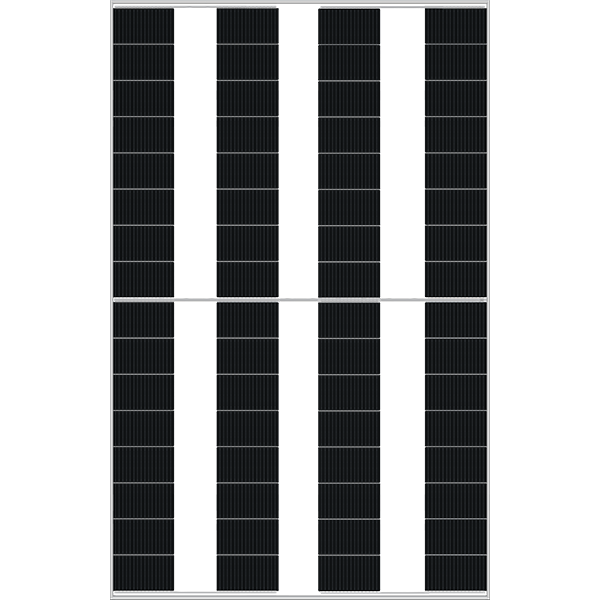
With permits secured and a revenue contract in place, attention shifts to the physical components that will populate the site. The choice of photovoltaic modules, inverters, and mounting structures shapes both energy yield and long-term maintenance costs. Ground-mounted systems, as opposed to rooftop or floating configurations, dominate the utility segment because they allow optimal tilt and orientation while simplifying access for cleaning and repairs. DMEGC Solar produces ground-mounted solar panels engineered with N-type cell technology, which offers strong performance under low-light conditions and exhibits minimal annual degradation. Inverter selection hinges on the plant’s total capacity and topology: central inverters consolidate power from many strings, while string inverters distribute conversion electronics closer to the modules. Construction planning must also address access roads, perimeter fencing, stormwater management, and a medium-voltage collection network that funnels power to the point of interconnection. A detailed construction schedule coordinates module delivery, pile driving, rack assembly, wiring, and commissioning in a logical sequence. Quality assurance protocols, including thermal imaging inspections and insulation resistance tests, verify that every string operates correctly before the plant enters commercial operation.
Launching a utility solar power project requires patience and a methodical approach, but the pathway is well established. Each stage—site selection, regulatory approval, and hardware deployment—builds upon the previous one, and cutting corners in any phase creates risks that can cascade into costly delays. For those entering this sector for the first time, leaning on experienced engineering, procurement, and construction partners reduces the learning curve while ensuring that technical standards are met. The result is a generation asset that produces emission-free electricity for decades, fulfilling contractual obligations and contributing to a cleaner electrical grid. Approached with diligence and proper guidance, what begins as a vacant field can evolve into a functioning power plant that serves thousands of households.

Tel: +86-579-86588826 (Workday 8:30-17:00)
Tel: +31 (0) 8 58200765
Tel: +86-579-86310330 (Workday 8:30-17:00)
+86-579-86310330 (workday 8:30-17:00 GMT+08:00)
+86-579-86588601 (workday 8:30-17:00 GMT+08:00)


Contact Us
Type of your question
- Business Consulting
- Technical Support
- After-sales Service