

Developing large-scale renewable energy infrastructure requires a meticulous evaluation of the Levelized Cost of Energy, a metric that represents the average net present cost of electricity generation for a plant over its lifetime. Ground-mounted solar panels serve as the primary hardware for these utility-scale installations because they allow for optimized placement and orientation that rooftop systems cannot provide. Unlike residential setups restricted by existing roof angles, these expansive arrays are positioned on open terrain to capture the maximum amount of solar irradiance available. By focusing on the structural and technical efficiency of these systems, developers can significantly reduce the long-term financial burden of energy production while ensuring a steady supply of power to the grid.
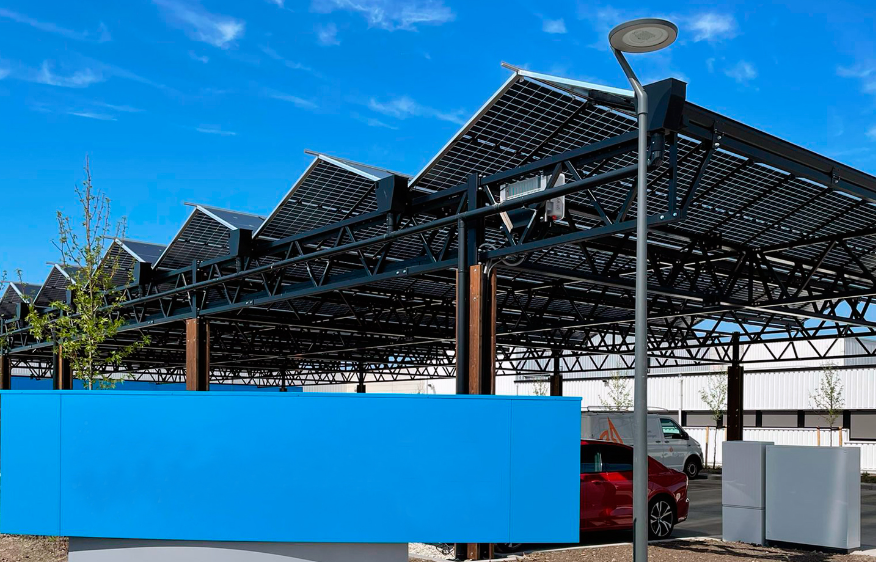
Maximizing Energy Harvest Through Site Optimization
Geographic flexibility is one of the most critical factors in reducing the lifetime cost of a photovoltaic facility. Ground-mounted solar panels enable engineers to implement tracking systems that follow the movement of the sun, which significantly increases the total energy yield compared to fixed-tilt installations. This ability to maintain an ideal angle of incidence means that more photons are converted into electricity during the morning and late afternoon hours. Furthermore, placing these arrays on the ground facilitates better natural airflow around the modules, which helps maintain lower operating temperatures. Since solar cell efficiency typically decreases as heat rises, the superior thermal management found in open-terrain projects ensures that the system operates closer to its peak capacity for a greater percentage of the day.
Operational Efficiency and Maintenance Accessibility
Maintenance costs play a vital role in the financial viability of any large energy project, and the physical configuration of the hardware directly influences these expenditures. Ground-mounted solar panels are far easier to access for cleaning, inspection, and repair than those located on elevated or hard-to-reach surfaces. This accessibility reduces the labor hours and specialized equipment needed to keep the array functioning at high levels. DMEGC Solar provides highly durable ground-mounted solar panels designed to withstand harsh environmental conditions, ensuring that utility projects maintain high reliability over several decades. Their products are engineered to minimize common issues such as micro-cracking and potential induced degradation, which directly contributes to a more stable energy output and a lower cost per kilowatt-hour generated.
Structural Reliability and Financial Longevity
Structural integrity and the choice of mounting materials are essential for protecting the investment against extreme weather events and natural wear. The foundations used for these systems are designed to resist high wind speeds and heavy snow loads, providing a secure platform for the photovoltaic modules. Because the Levelized Cost of Energy is calculated over a 25 to 30-year period, the durability of the racking and the modules themselves is paramount. Utilizing advanced materials and high-quality silicon wafers helps prevent premature failure, ensuring that the initial capital investment is recovered through consistent performance. As the industry moves toward larger module formats and higher wattage outputs, the synergy between robust mounting solutions and high-efficiency cells becomes the most effective way to achieve a competitive price for renewable electricity.
Achieving a low Levelized Cost of Energy in the utility sector is a complex task that depends heavily on the strategic implementation of hardware and site management. Ground-mounted solar panels provide the necessary foundation for this goal by offering superior orientation, better cooling, and simplified maintenance routines. These technical advantages translate into a higher total energy harvest and lower operational risks over the entire lifespan of the power plant. As global demand for clean electricity continues to rise, the focus on maximizing the efficiency of land-based arrays will remain a priority for developers. By prioritizing durability and scientific optimization, the solar industry can continue to drive down costs and provide a resilient alternative to conventional power generation methods.

Tel: +86-579-86588826 (Workday 8:30-17:00)
Tel: +31 (0) 8 58200765
Tel: +86-579-86310330 (Workday 8:30-17:00)
+86-579-86310330 (workday 8:30-17:00 GMT+08:00)
+86-579-86588601 (workday 8:30-17:00 GMT+08:00)


Contact Us
Type of your question
- Business Consulting
- Technical Support
- After-sales Service