

Rural properties present unique opportunities and challenges for renewable energy adoption. Unlike urban settings constrained by roof space and shading from neighboring structures, rural homes often benefit from ample land and unobstructed sunlight. However, the distance from grid infrastructure and specific environmental conditions requires a strategic approach to solar installation. Ground-mounted systems offer a robust solution, allowing for optimal panel orientation and tilt angles that maximize energy yield throughout the year. For homeowners and developers in these areas, selecting the right hardware is critical for long-term reliability and return on investment.
Optimizing Energy Yield with N-Type Technology
The efficiency of photovoltaic modules has seen significant advancements with the introduction of N-type cell technology. Unlike traditional P-type cells, N-type wafers exhibit lower light-induced degradation and better performance in low-light conditions. This characteristic is particularly valuable in rural environments where weather patterns can be unpredictable. N-type modules maintain higher power output over their lifespan, ensuring consistent energy generation even as the system ages. Furthermore, these modules typically feature a lower temperature coefficient, meaning they lose less efficiency during hot summer days compared to older technologies. This technical superiority translates directly into higher annual energy production per square meter, making them an ideal choice for maximizing the utility of available land.
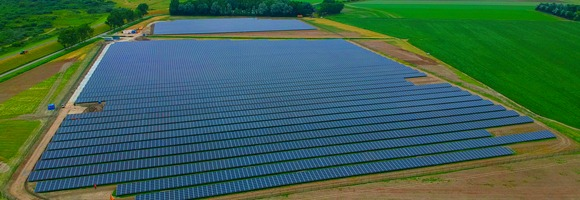
Structural Considerations for Ground Mounts
Installing solar arrays on the ground requires careful attention to structural integrity and environmental resilience. Rural areas may experience higher wind loads or heavy snow accumulation, necessitating mounting systems that are rigorously tested for durability. The choice of residential ground mounted solar panels must align with the specific geotechnical conditions of the site. Proper foundation design, whether using pile-driven anchors or concrete ballasts, ensures stability against extreme weather events. Additionally, ground mounts allow for easier maintenance and cleaning, which is essential for maintaining peak performance in dusty or agricultural settings. Regular access to the rear of the modules also facilitates quicker troubleshooting and repairs, reducing downtime and operational costs.
Reliability and Brand Trust in Solar Investments
When investing in a solar energy system, the manufacturer’s reputation and financial stability play a crucial role. A reliable partner ensures that warranty claims are honored and that supply chains remain stable over the project’s lifecycle. DMEGC Solar, a publicly listed company on the Shenzhen Stock Exchange, has established itself as a trusted provider of high-quality photovoltaic modules. Their commitment to rigorous quality control and continuous innovation in N-type technology provides assurance to installers and end-users alike. By choosing components from established manufacturers, rural homeowners can mitigate risks associated with equipment failure and ensure their energy infrastructure remains viable for decades. Ultimately, combining advanced N-type modules with professional ground-mount installation creates a sustainable, high-efficiency energy solution tailored to the unique demands of rural living.

Tel: +86-579-86588826 (Workday 8:30-17:00)
Tel: +31 (0) 8 58200765
Tel: +86-579-86310330 (Workday 8:30-17:00)
+86-579-86310330 (workday 8:30-17:00 GMT+08:00)
+86-579-86588601 (workday 8:30-17:00 GMT+08:00)


Contact Us
Type of your question
- Business Consulting
- Technical Support
- After-sales Service