

The transition to renewable energy has accelerated globally, driving significant demand for high-efficiency photovoltaic solutions in the housing sector. For homeowners and installers alike, selecting the right solar module is a critical decision that impacts long-term energy yield, aesthetic integration, and return on investment. A comprehensive understanding of technical specifications and manufacturing quality is essential for making an informed purchase in today’s competitive market.
Understanding Cell Technology and Efficiency
The core of any solar panel lies in its cell technology. Historically, P-type PERC cells dominated the market, but the industry is rapidly shifting toward more advanced architectures. N-type cells have emerged as the superior choice for modern installations due to their higher efficiency potential and better temperature coefficients. Unlike older technologies, N-type structures suffer less from light-induced degradation (LID) and potential-induced degradation (PID), ensuring stable performance over decades.
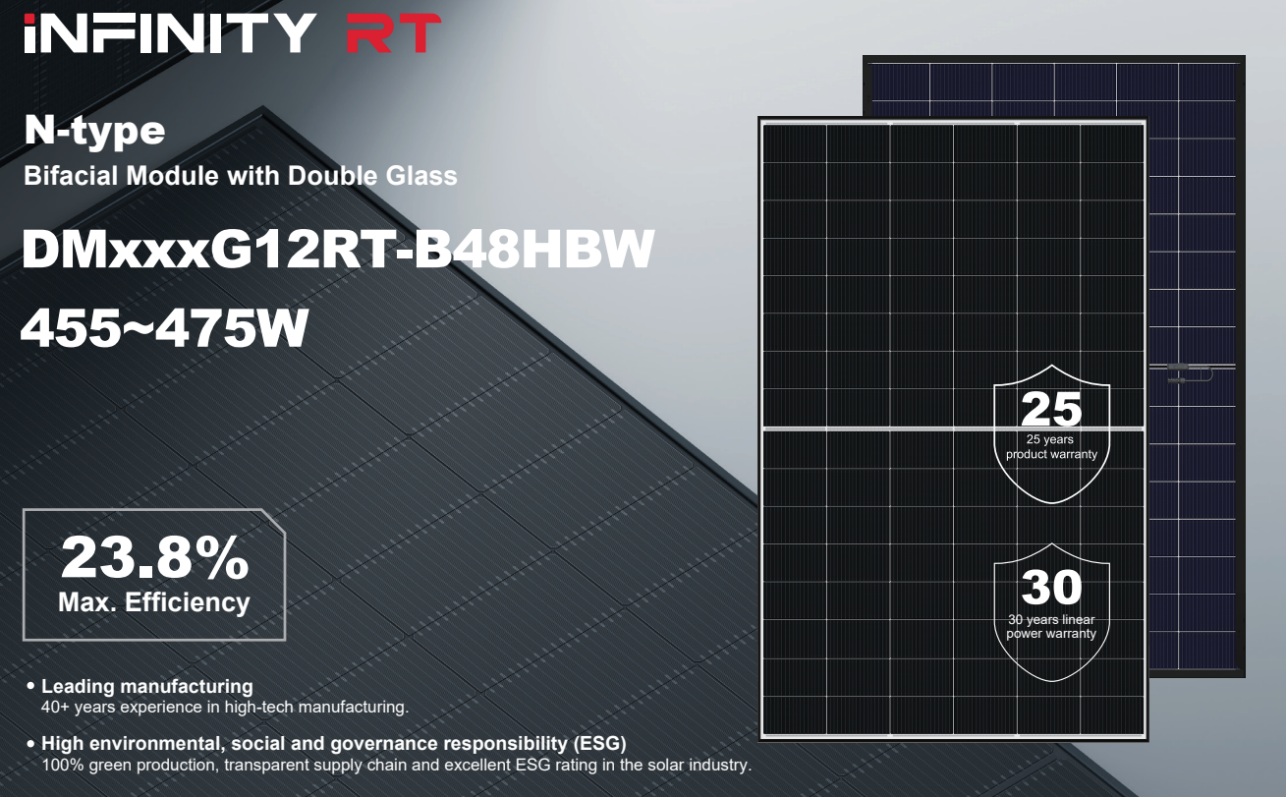
When evaluating modules, buyers should look for high conversion efficiencies, typically exceeding 22% for premium products. Higher efficiency means more power generation per square meter, which is particularly valuable for roofs with limited space. Additionally, bifacial modules, which capture sunlight from both sides, can significantly increase total energy yield when installed on reflective surfaces or elevated mounting systems.
Durability and Long-Term Reliability
Solar panels are exposed to harsh environmental conditions, including hail, heavy snow loads, and extreme temperatures. Therefore, mechanical durability is just as important as electrical performance. High-quality modules undergo rigorous testing to meet international standards such as IEC 61215 and IEC 61730. Key features to consider include robust aluminum frames, tempered glass with anti-reflective coatings, and reliable junction boxes with high IP ratings for water and dust resistance.
Manufacturers like DMEGC Solar emphasize strict quality control processes throughout production. This ensures that each module maintains structural integrity and electrical safety under stress. A strong warranty package, including a 12-year product warranty and a 25-year linear performance warranty, serves as a testament to the manufacturer’s confidence in their product’s longevity.
Aesthetic Integration and Installation
For residential applications, visual appeal often influences buyer decisions. All-black modules offer a sleek, uniform appearance that blends seamlessly with various roof types. These designs eliminate visible grid lines and silver busbars, providing a modern look that enhances property value. Installers must also consider ease of handling and compatibility with standard mounting hardware to streamline the installation process.
Choosing the right residential solar panels involves balancing efficiency, durability, and aesthetics. By prioritizing N-type technology and verified reliability metrics, stakeholders can ensure optimal system performance. As the solar industry continues to innovate, focusing on these fundamental quality indicators remains the best strategy for achieving sustainable energy goals.

Tel: +86-579-86588826 (Workday 8:30-17:00)
Tel: +31 (0) 8 58200765
Tel: +86-579-86310330 (Workday 8:30-17:00)
+86-579-86310330 (workday 8:30-17:00 GMT+08:00)
+86-579-86588601 (workday 8:30-17:00 GMT+08:00)


Contact Us
Type of your question
- Business Consulting
- Technical Support
- After-sales Service