

Designing an efficient photovoltaic system for a home requires a meticulous balance of technical precision, aesthetic consideration, and financial planning. For international B2B stakeholders, including distributors and installation partners, understanding the foundational steps of system design is crucial for delivering reliable energy solutions. A well-engineered residential setup maximizes energy yield while ensuring long-term durability and safety compliance.
Assessing Site Potential and Energy Consumption
The initial phase of any solar project involves a comprehensive site assessment. This process begins with analyzing historical electricity usage to determine the baseline energy demand. Designers must evaluate the roof’s orientation, tilt angle, and potential shading obstacles such as nearby trees or adjacent structures. Advanced software tools often utilize satellite imagery to model sun path trajectories throughout the year, providing accurate estimates of solar irradiance.
Structural integrity is another critical factor. The roof must support the additional weight of the mounting hardware and modules. Furthermore, local climate conditions, including wind loads and snow accumulation, dictate the mechanical requirements for the racking system. Ignoring these environmental variables can lead to premature system failure or reduced efficiency.
Selecting High-Efficiency Modules and Components
Component selection significantly influences the overall performance and lifespan of the installation. Modern photovoltaic technology has shifted towards high-efficiency cells that offer better temperature coefficients and lower degradation rates. N-type cell technology, for instance, provides superior performance in low-light conditions and exhibits less light-induced degradation compared to traditional P-type alternatives. This makes it an ideal choice for rooftops with limited space where maximizing power output per square meter is essential.
Inverters play an equally vital role in energy conversion. String inverters remain popular for their cost-effectiveness, while microinverters and power optimizers offer module-level monitoring and enhanced safety features. The choice depends on the specific roof complexity and the client’s budget. Partnering with established manufacturers like DMEGC Solar ensures access to high-quality modules that meet rigorous international standards, providing stability and reliability for end-users.
Optimizing Layout for Maximum Yield
Once components are selected, the physical layout must be optimized. This involves arranging the residential solar panels to minimize shading losses and ensure proper ventilation. Adequate spacing between rows prevents inter-row shading during winter months when the sun is lower in the sky. Electrical design must also adhere to local codes, ensuring proper grounding and overcurrent protection.
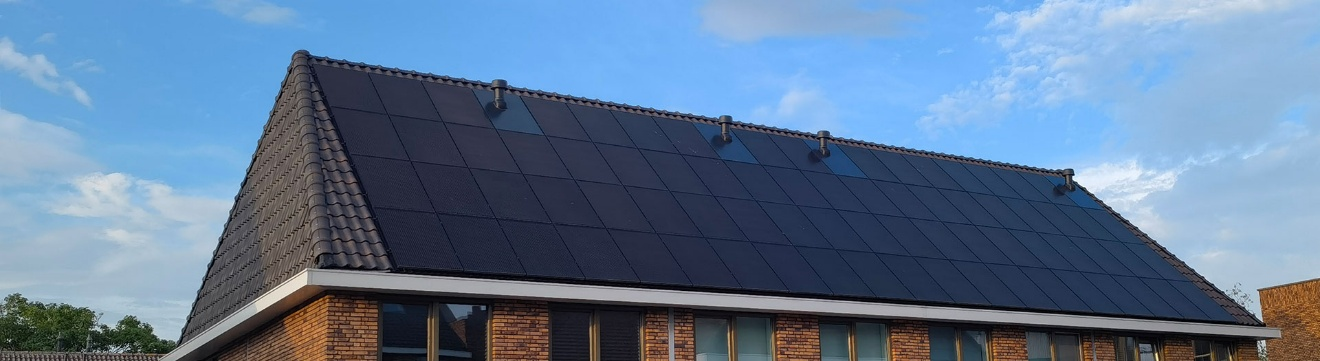
A successful design integrates aesthetic considerations with technical efficiency. Homeowners increasingly prefer sleek, all-black modules that blend seamlessly with roofing materials. By prioritizing high-efficiency N-type modules and precise engineering, designers can deliver systems that offer robust returns on investment. Ultimately, a methodical approach to design reduces installation errors and enhances customer satisfaction, fostering long-term trust in the solar industry.

Tel: +86-579-86588826 (Workday 8:30-17:00)
Tel: +31 (0) 8 58200765
Tel: +86-579-86310330 (Workday 8:30-17:00)
+86-579-86310330 (workday 8:30-17:00 GMT+08:00)
+86-579-86588601 (workday 8:30-17:00 GMT+08:00)


Contact Us
Type of your question
- Business Consulting
- Technical Support
- After-sales Service