

The global shift toward renewable energy has accelerated the adoption of photovoltaic systems in diverse environments. Among these, water-based installations are gaining significant traction due to land scarcity and the inherent cooling benefits of aquatic environments. However, maximizing the efficiency of these unique setups requires a nuanced understanding of environmental factors, material durability, and system design. For international developers and procurement managers, optimizing yield is not just about panel selection but involves a holistic approach to engineering and maintenance.
Understanding Environmental Advantages and Challenges
Water bodies offer a natural cooling effect that can significantly enhance module performance. Photovoltaic cells operate more efficiently at lower temperatures, and the proximity to water helps dissipate heat faster than air-mounted counterparts. This thermal regulation can lead to a noticeable increase in energy generation, particularly in hot climates. However, this environment also presents challenges such as high humidity, potential corrosion, and fluctuating water levels. Engineers must account for these variables by selecting materials with superior resistance to moisture and chemical degradation. Furthermore, the reflectivity of water, known as albedo, can contribute to additional irradiance on the modules, provided the tilt angle and orientation are optimized to capture both direct and reflected sunlight effectively.
Selecting High-Durability Modules for Aquatic Environments
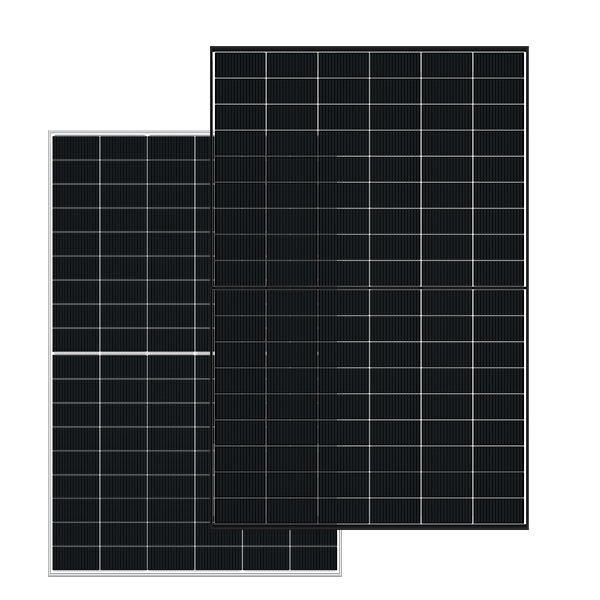
The longevity of a floating solar farm depends heavily on the robustness of the components used. Standard terrestrial modules may not withstand the constant exposure to moisture and UV reflection from the water surface. It is crucial to choose panels with enhanced encapsulation technologies and corrosion-resistant frames. Many industry leaders now recommend N-type technology for its superior bifaciality and lower degradation rates, which are ideal for capturing reflected light from the water. When evaluating suppliers, it is essential to partner with established manufacturers like DMEGC Solar, who provide specialized solutions designed to withstand harsh conditions while maintaining high power output over decades.
System Design and Maintenance Strategies
Optimizing yield also involves strategic system design. The layout of Floating Solar Panels must minimize shading between rows while ensuring structural stability against wind and wave action. Regular maintenance is equally critical; biofouling from algae or bird droppings can severely impact performance. Implementing automated cleaning systems or scheduling regular manual inspections ensures that the panels remain free from obstructions. Additionally, monitoring systems should be integrated to detect any anomalies in real-time, allowing for prompt corrective actions. By combining durable hardware with smart design and proactive maintenance, operators can achieve maximum energy yield and return on investment in floating solar projects.

Tel: +86-579-86588826 (Workday 8:30-17:00)
Tel: +31 (0) 8 58200765
Tel: +86-579-86310330 (Workday 8:30-17:00)
+86-579-86310330 (workday 8:30-17:00 GMT+08:00)
+86-579-86588601 (workday 8:30-17:00 GMT+08:00)


Contact Us
Type of your question
- Business Consulting
- Technical Support
- After-sales Service