

Developing utility-scale photovoltaic infrastructure requires rigorous preliminary evaluation to ensure long-term structural integrity and operational efficiency. While solar irradiance data drives energy yield predictions, the physical characteristics of the installation site determine the feasibility and cost-effectiveness of the mounting systems. A comprehensive site assessment, particularly focusing on soil mechanics and geotechnical properties, is critical for mitigating risks associated with foundation failure and uneven settlement.
The Critical Role of Geotechnical Surveys
Before any hardware procurement begins, engineers must conduct detailed geotechnical surveys. These investigations reveal subsurface conditions, including soil composition, bearing capacity, and groundwater levels. Sandy soils, for instance, offer excellent drainage but may lack the cohesion necessary for certain pile-driving techniques without additional compaction. Conversely, clay-heavy soils can expand and contract with moisture changes, potentially exerting excessive lateral pressure on mounting posts. Understanding these variables allows project developers to select appropriate foundation types, such as driven piles, screw anchors, or concrete ballasts. Ignoring these factors can lead to costly retrofitting or, in worst-case scenarios, structural collapse during extreme weather events.
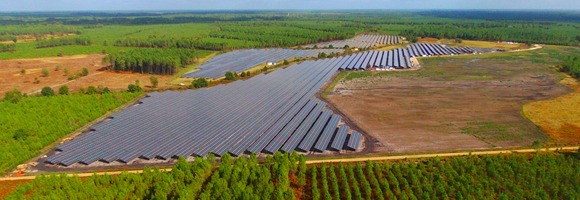
Mounting Structure and Soil Engineering
The choice of mounting structure is directly influenced by soil analysis results, which is a key consideration when optimizing design for ground-mounted solar panels. For sites with low bearing capacity, engineers might opt for wider footprints or helical piles that distribute weight more effectively. Furthermore, the corrosion potential of the soil must be assessed to determine the necessary protective coatings for steel components. High salinity or acidic conditions require galvanized or specialized polymer-coated materials to prevent premature degradation. This technical precision ensures that the mechanical support system complements the high-efficiency modules it holds. Leading manufacturers like DMEGC Solar emphasize the importance of matching module technology with robust mounting solutions to maximize the lifespan of the entire array. When utilizing advanced N-type modules, which offer superior temperature coefficients and degradation rates, the supporting infrastructure must be equally durable to protect the investment over a 25-year period.
Environmental and Topographical Considerations
Beyond soil composition, topographical assessment is vital. Slope gradient affects both water runoff and installation complexity. Sites with significant elevation changes may require terracing or adjustable mounting systems to maintain optimal tilt angles. Additionally, environmental impact assessments ensure that the installation does not disrupt local ecosystems or violate zoning regulations. Proper drainage planning prevents water accumulation around foundations, which can undermine soil stability over time.
In conclusion, successful solar farm development hinges on meticulous site preparation. By prioritizing geotechnical accuracy and environmental compatibility, developers can reduce the levelized cost of energy (LCOE) and enhance system reliability. Integrating high-performance photovoltaic modules with engineered mounting solutions creates a resilient energy infrastructure capable of delivering consistent power output regardless of challenging ground conditions.

Tel: +86-579-86588826 (Workday 8:30-17:00)
Tel: +31 (0) 8 58200765
Tel: +86-579-86310330 (Workday 8:30-17:00)
+86-579-86310330 (workday 8:30-17:00 GMT+08:00)
+86-579-86588601 (workday 8:30-17:00 GMT+08:00)


Contact Us
Type of your question
- Business Consulting
- Technical Support
- After-sales Service