

Floating solar panels represent a groundbreaking innovation that maximizes energy generation while utilizing otherwise underused spaces. As global energy demands increase and land constraints become more pronounced, integrating solar energy solutions into existing hydroelectric infrastructure offers a sustainable path forward. Our exploration of this topic delves into the case studies that showcase the efficacy and benefits of floating solar panels in hydroelectric dams, with insights from our experiences at DMEGC Solar.
Understanding Floating Solar Panels
Floating solar panels are specifically designed to be deployed on bodies of water, notably reservoirs associated with hydroelectric facilities. This innovative setup provides a dual benefit: optimizing land use while enhancing the energy output of the hydroelectric dam. Unlike traditional solar installations on land, these panels offer cooler operating conditions, leading to increased efficiency. Additionally, less evaporation of water bodies can be a significant ecological advantage in regions prone to drought, aligning with sustainability goals.
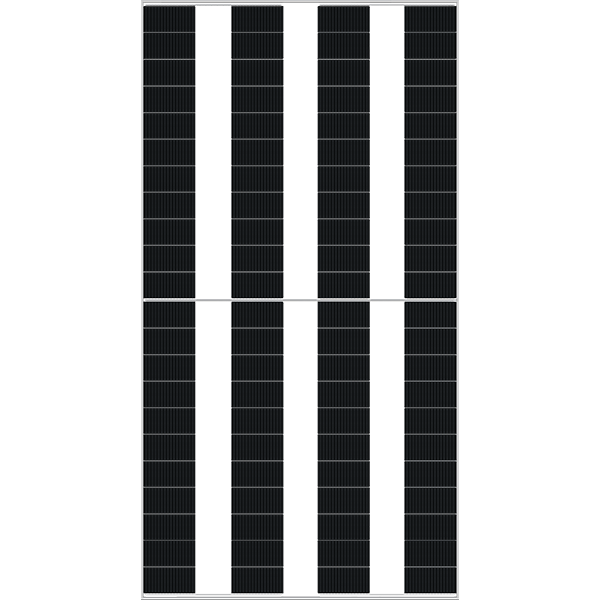
The floating solar panel modules from DMEGC Solar come equipped with cutting-edge technology designed for durability and optimal energy production. These solutions have proven effective in various climates and conditions, ensuring they can meet diverse needs worldwide.
Case Studies in Floating Solar Implementation
Various countries have embraced the potential of floating solar panels atop hydroelectric reservoirs, exemplifying how this technology can be successfully integrated. One notable case is the Ningxia Solar Project in China, where massive floating solar farms were installed on existing hydroelectric reservoirs—generating approximately 320 megawatts and providing a significant boost to local energy supplies. The synergy between hydroelectric power and floating solar culminates in enhanced overall energy efficiency, demonstrating an innovative approach to clean energy.
In another instance, DMEGC Solar collaborated on a project in Thailand, where floating solar panels were introduced to optimize the performance of existing hydroelectric plants. The project not only increased renewable energy output but also helped improve water quality in the reservoirs. Such real-world applications highlight the versatility of floating solar arrays and their positive impact on energy sustainability.
Advantages Beyond Energy Production
While the primary goal of integrating floating solar panels into hydroelectric dams centers on boosting electricity generation, additional benefits must be recognized. These installations help mitigate algae growth, which is commonly fueled by sunlight on the water's surface. By shading the water body, floating panels contribute to maintaining ecological balance.
Moreover, with water scarcity on the rise, reducing evaporation becomes paramount. Floating solar installations have been shown to decrease water loss by up to 90%, a compelling advantage for any region facing water management challenges. At DMEGC Solar, we are continually inspired by how technology can provide holistic solutions that address both energy and environmental concerns.
Future Prospects for Solar-Hydro Integration
The future of energy generation appears promising, particularly for hybrid systems combining floating solar panels and hydroelectric power. Innovations in technology enable more efficient conversion of sunlight and water energy, paving the way for energy self-sufficiency and resilience against climate change. With projects already in motion worldwide, the integration potential spans beyond energy—affecting local economies and communities as jobs emerge in the renewable sector.
In summary, the synergy between floating solar panels and hydroelectric dams fundamentally transforms how we approach renewable energy. Case studies illustrate not only their feasibility but highlight various environmental and economic benefits. DMEGC Solar remains committed to exploring these transformative solutions and working toward a sustainable energy future.
Conclusion
In conclusion, we find that floating solar panels installed on hydroelectric reservoirs represent a significant step forward in renewable energy innovation. With numerous successful case studies showcasing their efficiency and compatibility with existing water infrastructure, it is clear that these solutions can play a crucial role in our transition to sustainable energy practices. As the industry continues to evolve, our commitment at DMEGC Solar is to embrace these advances and contribute to a greener future for all.

Tel: +86-579-86588826 (Workday 8:30-17:00)
Tel: +31 (0) 8 58200765
Tel: +86-579-86310330 (Workday 8:30-17:00)
+86-579-86310330 (workday 8:30-17:00 GMT+08:00)
+86-579-86588601 (workday 8:30-17:00 GMT+08:00)


Contact Us
Type of your question
- Business Consulting
- Technical Support
- After-sales Service