

Solar energy has become an integral part of our renewable energy landscape, yet the components and applications of solar technology can vastly differ. Among these components, utility-scale PV modules and residential panels stand out for their distinct uses and specifications. In exploring these differences, we will delve into the scale, efficiency, and applications of these solar solutions, with insights into how DMEGC Solar plays a role in each segment.
Understanding Scale and Application
Utility-scale PV modules are designed for large installations, often providing energy for thousands of homes and businesses from a single site. These systems typically range from a few megawatts to hundreds of megawatts in capacity. At DMEGC Solar, we focus on producing high-efficiency modules capable of handling such large-scale energy demands, ensuring a reliable power supply.
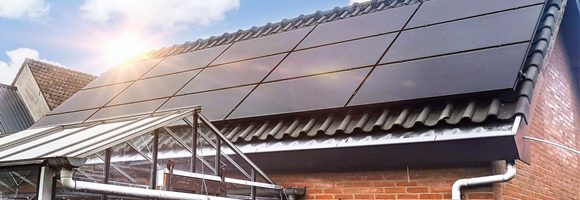
In contrast, residential panels are better suited for home energy generation. Their installation is generally less complex and involves smaller capacities, usually sufficient to meet a single household's energy requirements. While both types serve the broader objective of harnessing solar energy, they differ significantly in scale, making utility-scale installations a cornerstone for utility providers aiming to meet increasing energy demands.
Efficiency and Technological Differences
One key aspect that distinguishes utility-scale PV modules from residential panels is their efficiency. Utility-scale modules often employ advanced technology to optimize energy generation, making them more suitable for extensive solar farms. For instance, DMEGC Solar’s cutting-edge materials and innovative designs enhance energy conversion rates, increasing the overall yield for large installations.
On the other hand, residential panels may focus on user-friendliness and aesthetics. While they may not have the same efficiency ratings as utility-scale systems, many homeowners prioritize compatibility with residential rooftops or small ground-mounted systems. It’s essential to evaluate energy needs versus space availability when deciding between the two types of solar technology.
Installation and Maintenance Considerations
The installation and maintenance requirements of utility-scale PV modules are significantly more complex than those of residential panels. Large-scale installations often require extensive planning, permitting, and infrastructure, as they may include solar farms spanning acres. Companies like DMEGC Solar provide support throughout installation, ensuring efficiency and compliance with local regulations.
In contrast, the installation of residential panels typically requires a straightforward approach and can often be completed within a few days. Maintenance is also simpler; homeowners can perform basic monitoring and upkeep on their own, while utility-scale systems necessitate regular monitoring by professional teams to ensure optimal performance.
Conclusion
In summary, while utility-scale PV modules and residential panels share a common goal of generating clean energy, they cater to different applications and requirements. At DMEGC Solar, we recognize the importance of both types of solar solutions. Utility-scale systems are crucial for meeting the growing energy demands in a sustainable way, while residential panels empower homeowners to harness solar energy conveniently. Understanding the differences can help businesses and homeowners alike make informed decisions that align with their energy goals.

Tel: +86-579-86588826 (Workday 8:30-17:00)
Tel: +31 (0) 8 58200765
Tel: +86-579-86310330 (Workday 8:30-17:00)
+86-579-86310330 (workday 8:30-17:00 GMT+08:00)
+86-579-86588601 (workday 8:30-17:00 GMT+08:00)


Contact Us
Type of your question
- Business Consulting
- Technical Support
- After-sales Service