

The solar energy landscape is constantly evolving, with new technologies emerging that raise the bar for efficiency and performance. Among the latest advancements, N type solar panels are gaining traction, notably in European markets, where sustainability and clean energy initiatives are at the forefront. This market shift is paving the way for a more reliable and efficient solar energy future, driven by innovations such as those offered by brands like DMEGC Solar.
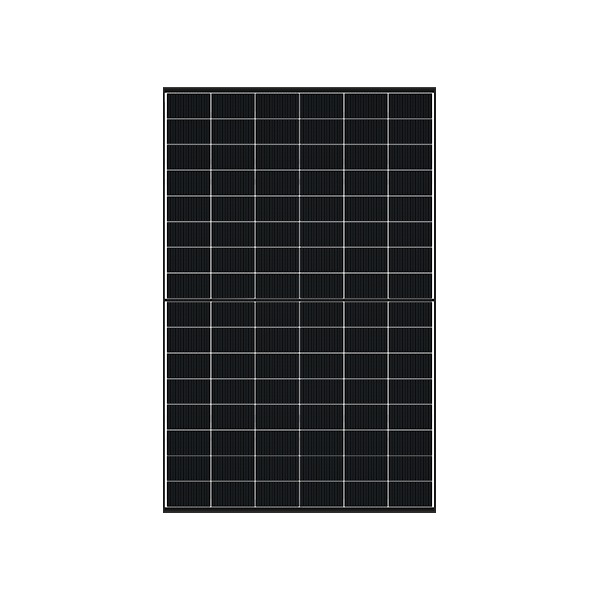
The Rise of N Type Solar Technology
In the quest for greater energy efficiency, N type solar panels have emerged as a game-changer. Unlike traditional P-type solar panels, which are more susceptible to light-induced degradation, N type technology boasts remarkable resilience and longevity. These panels exhibit a higher efficiency rate—often above 23.5%—compared to their counterparts. This characteristic significantly enhances their appeal, particularly in regions with abundant sunlight, such as Europe. As renewable energy becomes a priority for many European countries, the adoption of N type panels can be seen as a promising solution.
Advantages of N Type Panels in Solar Energy Systems
The distinct advantages of N type solar panels extend beyond mere efficiency. These panels are designed to minimize energy loss through improved temperature coefficient performance, enabling optimal energy production even in higher temperatures. This factor is crucial in regions experiencing heat waves, ensuring reliability and consistency. Furthermore, N type technology tends to have longer lifespan characteristics, underscoring a strong 25-year product warranty available for premium options like the DMxxxG12RT-B48HBT model from DMEGC Solar. The combination of reduced degradation rates and performance stability can significantly lower the cost of energy in the long run, supporting a broader adoption of solar energy throughout Europe.
Market Trends and Future Developments
As European nations strive towards ambitious carbon neutrality goals, the integration of N type solar panels into national energy strategies becomes increasingly important. Countries are not only focusing on boosting the installed capacity of solar energy but also ensuring that the technology selected can withstand the rigors of environmental changes. Innovations in N type technology point towards advancements in bifacial solar panels, which allow for electricity generation on both sides of the panel, maximizing harvested sunlight. This progression reflects how brands like DMEGC Solar are staying ahead of the curve by investing in research and development, tailored for European market needs.
The Role of Policy and Incentives
Supportive public policies are fundamental to accelerating the adoption of N type solar panels across Europe. Government incentives such as subsidies and tax breaks can significantly impact the investment decision for both businesses and residential consumers. As awareness of renewable energy benefits continues to grow, we at DMEGC Solar believe it is critical to engage with policymakers to ensure that solar technologies are accessible and economically viable for the general public. The collective effort toward creating a favorable regulatory framework is essential for harnessing the full potential of solar energy resources.
Conclusion
In conclusion, the future of N type solar panels in European markets looks promising, driven by their advanced technology, efficiency benefits, and growing governmental support. The transition to more reliable sustainable energy solutions is supported by brands such as DMEGC Solar, reflecting the broader trend in the energy sector. As we move forward, embracing these innovative solar solutions will not only aid in achieving energy independence but also significantly contribute to reducing carbon footprints across the continent.

Tel: +86-579-86588826 (Workday 8:30-17:00)
Tel: +31 (0) 8 58200765
Tel: +86-579-86310330 (Workday 8:30-17:00)
+86-579-86310330 (workday 8:30-17:00 GMT+08:00)
+86-579-86588601 (workday 8:30-17:00 GMT+08:00)


Contact Us
Type of your question
- Business Consulting
- Technical Support
- After-sales Service