

In recent years, the quest for sustainable energy solutions has intensified. Society faces pressing challenges related to energy demand, climate change, and resource depletion. Distributed solar photovoltaics offers a promising avenue to address these issues. By integrating solar panels into our daily lives, we can harness the sun’s power in a localized manner, presenting a host of benefits that extend beyond mere energy generation.
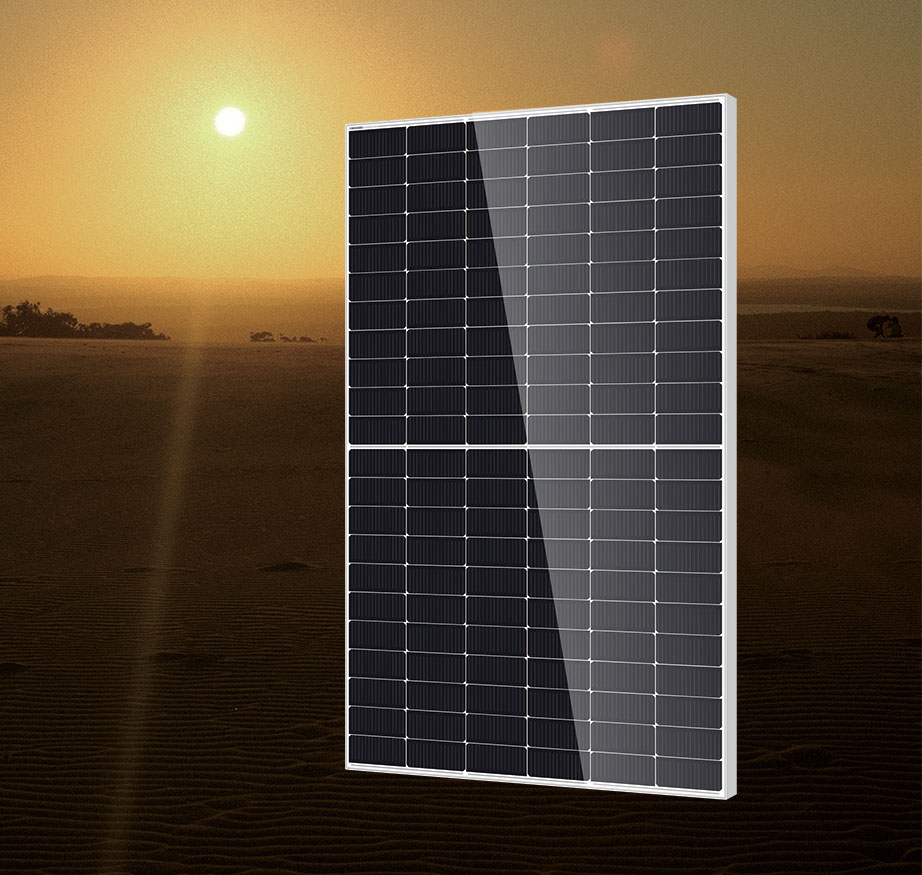
Ultra-high Power and Efficiency
One of the most significant advantages of distributed solar photovoltaics is its remarkable power output and efficiency. Systems like those offered by DMEGC Solar are tailored to maximize energy conversion from sunlight, which means that homeowners can produce more electricity from a smaller footprint. This efficiency reduces the overall investment needed and shortens the payback period for solar installations. The ultra-high power capabilities allow users to attend to their energy needs even when demand spikes, showcasing a reliable solution amid fluctuating energy requirements.
Optimized Temperature Coefficient
Temperature can negatively affect solar panel performance, making the optimized temperature coefficient an important factor to consider. Conventional panels often show decreased efficiency with rising temperatures. However, with innovations in distributed solar photovoltaics, such as those developed at DMEGC Solar, the thermal response has been significantly mitigated. These advancements lead to better performance, especially during warmer months when energy demand typically peaks. By maintaining output stability despite environmental changes, we offer a solution that enhances overall user satisfaction and sustains energy availability all year round.
Outstanding Low Light Performance
Not all sunlight conditions are optimal, and this is where the outstanding low light performance of solar technologies comes into play. Distributed systems equipped with the latest photovoltaic technology can still generate electricity during cloudy or overcast days, offering their users reliability beyond sunny periods. This resilience in energy production ensures that homeowners do not rely solely on peak sunlight hours to meet their energy needs. For those considering integration into their energy systems, utilizing solutions from DMEGC Solar can provide reassurance that they are covered even in less-than-ideal weather conditions.
Conclusion
The challenges surrounding energy consumption and environmental conservation necessitate innovative solutions like distributed solar photovoltaics. By embracing technologies that boast ultra-high power and efficiency, optimized temperature performance, and outstanding low light capabilities, we can bridge the gap between energy demand and sustainability. At DMEGC Solar, we believe that these advancements herald a new era of energy independence and resilience, empowering individuals and communities alike to take control of their energy destiny. Investing in distributed solar solutions not only makes sense economically but also plays a vital role in fostering a sustainable future.

Tel: +86-579-86588826 (Workday 8:30-17:00)
Tel: +31 (0) 8 58200765
Tel: +86-579-86310330 (Workday 8:30-17:00)
+86-579-86310330 (workday 8:30-17:00 GMT+08:00)
+86-579-86588601 (workday 8:30-17:00 GMT+08:00)


Contact Us
Type of your question
- Business Consulting
- Technical Support
- After-sales Service