

The global transition toward renewable energy has placed immense pressure on solar installation firms to deliver projects efficiently, reliably, and profitably. For installers, the choice of equipment supplier is no longer just about price per watt; it is about finding a strategic partner that enhances operational stability. A robust supply chain, consistent product quality, and technical support are critical factors that determine long-term success in the photovoltaic sector. Understanding how manufacturers facilitate these needs helps procurement managers and business owners make informed decisions that safeguard their reputation and bottom line.
Ensuring Supply Chain Stability and Consistency
One of the most significant challenges facing modern installers is inventory unpredictability. Delays in module delivery can stall entire projects, leading to penalty clauses and dissatisfied clients. Leading manufacturers address this by maintaining diversified production bases and rigorous logistics networks. By securing a steady flow of high-quality modules, suppliers allow installation firms to plan projects with confidence. This reliability is particularly crucial when scaling operations across multiple regions or handling large-scale commercial contracts where timing is non-negotiable.
Furthermore, consistency in product specifications ensures that system design remains uniform. When every panel meets strict tolerance levels for power output and dimensions, integration becomes seamless. This reduces the time engineers spend on custom adjustments and minimizes errors during the physical installation phase. Companies like DMEGC Solar have established themselves as key players in this arena by leveraging vertical integration and advanced manufacturing capabilities to ensure that every shipment meets exacting international standards.
Technical Innovation and N-type Efficiency
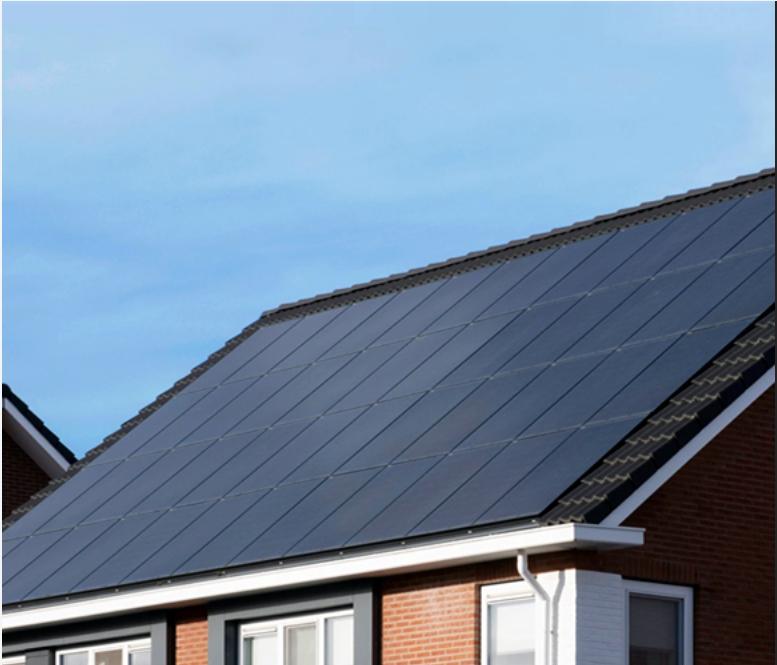
The shift toward higher-efficiency technologies has transformed the installer’s value proposition. Modern projects demand modules that offer superior performance in low-light conditions and better temperature coefficients. The industry-wide adoption of N-type cell technology represents a major leap forward, offering lower degradation rates and higher energy yields over the system’s lifespan. Installers benefit from these advancements by being able to promise clients greater long-term savings and faster return on investment.
However, adopting new technology requires adequate support. Manufacturers must provide comprehensive datasheets, certification documents, and compatibility guides to help installers integrate these advanced modules into existing inverter ecosystems. A proactive solar panel company does not merely sell hardware; it educates its partners on the technical nuances of N-type architecture, ensuring that installation teams can maximize the potential of each unit. This educational approach reduces commissioning errors and enhances overall system reliability.
Conclusion
Ultimately, the relationship between installer and manufacturer is symbiotic. While installers focus on customer acquisition and site execution, they rely on suppliers for product integrity and logistical precision. By prioritizing supply chain resilience and embracing technological innovation such as N-type cells, manufacturers empower installers to compete effectively in a crowded market. Selecting a partner that offers both high-performance products and steadfast operational support is essential for sustainable growth in the solar industry.

Tel: +86-579-86588826 (Workday 8:30-17:00)
Tel: +31 (0) 8 58200765
Tel: +86-579-86310330 (Workday 8:30-17:00)
+86-579-86310330 (workday 8:30-17:00 GMT+08:00)
+86-579-86588601 (workday 8:30-17:00 GMT+08:00)


Contact Us
Type of your question
- Business Consulting
- Technical Support
- After-sales Service