

The transition toward renewable energy has accelerated the demand for photovoltaic modules worldwide. For commercial developers, EPC contractors, and large-scale installers, selecting the right manufacturing partner is a critical strategic decision. While local sourcing offers logistical simplicity, engaging with a global solar panel supplier presents distinct advantages and challenges that significantly impact project viability, cost structures, and long-term performance reliability.
Advantages of Global Manufacturing Partnerships
One of the primary benefits of working with international manufacturers is access to advanced technology at competitive price points. Large-scale global producers benefit from economies of scale, allowing them to invest heavily in research and development. This results in higher efficiency modules, such as those utilizing N-type cell technology, which offer superior temperature coefficients and lower degradation rates compared to traditional P-type cells. By sourcing globally, buyers can often secure these high-performance products at lower costs per watt, improving the overall return on investment for solar farms and commercial installations.
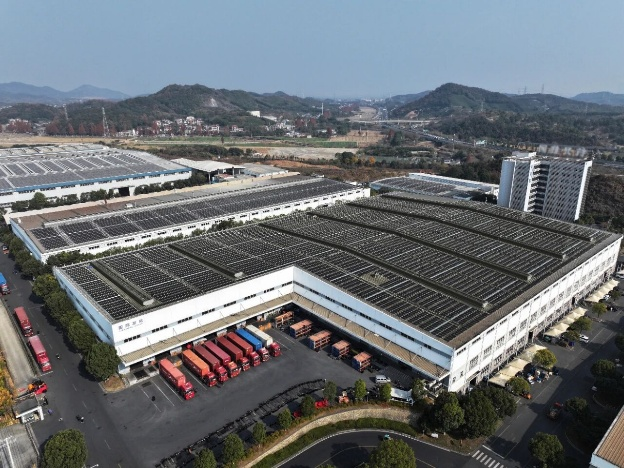
Furthermore, established global entities typically possess robust supply chain resilience. Companies like DMEGC Solar, listed on the Shenzhen Stock Exchange, maintain extensive production capacities and diversified material sourcing strategies. This vertical integration helps mitigate risks associated with raw material shortages or geopolitical disruptions. Additionally, global suppliers are accustomed to meeting stringent international certification standards, including IEC and UL requirements, ensuring that products are compliant across various markets. This standardization simplifies the procurement process for multinational projects requiring uniform quality assurance.
Challenges in International Procurement
Despite the benefits, sourcing internationally introduces specific complexities. Logistics and lead times are significant considerations. Shipping heavy photovoltaic modules across oceans requires careful planning to avoid port congestion delays or freight cost volatility. Import duties, tariffs, and varying tax regulations can also affect the final landed cost, necessitating thorough financial modeling before contract signing. Buyers must account for potential currency fluctuations, which can impact budget stability over long-term supply agreements.
Another challenge lies in after-sales support and warranty enforcement. While reputable manufacturers offer comprehensive product and performance warranties, claiming these services across borders can be procedurally complex. It is essential to verify that the chosen solar panel supplier has a localized presence or dedicated support teams in the destination market. This ensures that technical assistance and warranty claims are handled efficiently without excessive bureaucratic hurdles. Communication barriers and time zone differences may also slow down resolution times for urgent technical queries during the installation phase.
Strategic Decision-Making
Ultimately, the decision to source globally depends on balancing cost efficiency with risk management. Developers must evaluate not only the upfront price but also the long-term reliability of the module technology and the manufacturer’s financial stability. Due diligence should include reviewing bankability ratings, historical performance data, and the supplier’s track record in similar climatic conditions. By carefully weighing these factors, businesses can leverage the technological advancements and cost benefits of global manufacturing while mitigating logistical and regulatory risks.

Tel: +86-579-86588826 (Workday 8:30-17:00)
Tel: +31 (0) 8 58200765
Tel: +86-579-86310330 (Workday 8:30-17:00)
+86-579-86310330 (workday 8:30-17:00 GMT+08:00)
+86-579-86588601 (workday 8:30-17:00 GMT+08:00)


Contact Us
Type of your question
- Business Consulting
- Technical Support
- After-sales Service