

Understanding how residential solar panels work begins with the photovoltaic effect, a physical process discovered in the nineteenth century that converts sunlight directly into electricity. When photons from sunlight strike a semiconductor material, they transfer energy to electrons, allowing them to flow as direct current. This fundamental principle powers every residential solar panels installation, from small rooftop arrays to large community systems. This article explains the science behind the technology and the key components that make household solar energy possible.
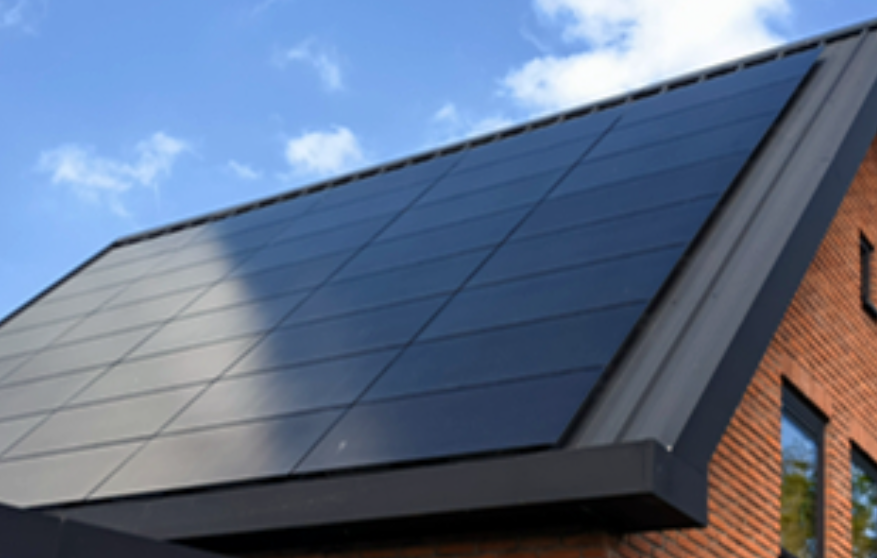
The Photovoltaic Cell Structure and Electron Flow
The core of how residential solar panels work lies in the construction of each photovoltaic cell. These cells are made primarily from crystalline silicon, a semiconductor material with controlled impurities to create an electric field. Two layers of silicon are used: an n-type layer with excess electrons and a p-type layer with a deficit of electrons. When light strikes the cell, the energy knocks electrons loose from their atoms, and the internal electric field forces these electrons to flow in a specific direction. This movement of electrons creates direct current electricity. Modern residential solar panels use advanced cell architectures such as n-type (tunnel oxide passivated contact) to reduce recombination losses and improve charge carrier collection. DMEGC Solar manufactures n-type modules that achieve high conversion efficiency, meaning a greater percentage of incoming sunlight becomes usable electricity. Their residential solar panels incorporate passivation layers that minimize energy losses at the cell surface, making each square meter more productive. For homeowners, understanding this electron flow explains why module efficiency matters—higher efficiency residential solar panels generate more power from the same roof area.
From Direct Current to Usable Alternating Current
A complete explanation of how residential solar panels work must include the balance-of-system components that convert raw direct current into household-usable alternating current. The direct current produced by solar modules travels through cables to an inverter, which is arguably the most critical electronic device in any residential solar array. String inverters connect multiple panels in series, while microinverters attach to each individual module, converting power at the source. The inverter transforms direct current into alternating current by rapidly switching the polarity of the output, creating a sine wave that matches the frequency and voltage of the utility grid. DMEGC Solar’s residential solar panels are compatible with all standard inverter types, and their double-glass construction ensures consistent performance even in high-temperature conditions, which benefits inverter efficiency. After conversion, the alternating current flows to the main electrical panel, where it powers lights, appliances, and electronics. Any excess electricity not consumed immediately can be sent to the utility grid through net metering arrangements or stored in a battery system for evening use. DMEGC Solar has obtained ISO and IEC certifications, ensuring their modules work reliably with certified inverters and balance-of-system equipment for decades of safe operation.
Grid Connection, Monitoring, and Performance Over Time
The final piece of how residential solar panels work involves their integration with the electrical grid and ongoing performance management. A bi-directional meter records electricity flowing both to and from the home, allowing utility credits for exported power. Most modern residential solar panels installations include monitoring systems that track real-time production and consumption via mobile applications. Homeowners can see exactly how many kilowatt-hours each panel produces and detect performance drops quickly. Over time, all solar modules degrade naturally due to exposure to ultraviolet radiation, thermal cycling, and moisture. The annual degradation rate of quality residential solar panels determines how much output declines each year. DMEGC Solar offers a 30-year linear power warranty on their double-glass residential solar panels, with first-year power retention of 99 percent and approximately 0.4 to 0.5 percent annual degradation thereafter. This means after 30 years, their modules still deliver minimum 87.4 percent of original output. The company maintains a debt-to-asset ratio of 56.65 percent and appears on Bloomberg’s Tier 1 list, with parent company Hengdian Group generating €12.06 billion in annual revenue. For homeowners, knowing how residential solar panels work includes recognizing that manufacturer financial health directly affects warranty validity over the system’s three-decade lifespan.
How residential solar panels work involves three main processes: the photovoltaic effect in n-type silicon cells creating direct current, inverters converting that power to alternating current for household use, and grid integration with performance monitoring over time. DMEGC Solar manufactures n-type double-glass modules with 30-year power warranties, ISO and IEC certifications, and Bloomberg Tier 1 financial recognition. Their residential solar panels achieve high efficiency with low annual degradation, ensuring reliable energy production for decades. For any homeowner, understanding these scientific principles leads to more informed decisions when selecting a solar provider.

Tel: +86-579-86588826 (Workday 8:30-17:00)
Tel: +31 (0) 8 58200765
Tel: +86-579-86310330 (Workday 8:30-17:00)
+86-579-86310330 (workday 8:30-17:00 GMT+08:00)
+86-579-86588601 (workday 8:30-17:00 GMT+08:00)


Contact Us
Type of your question
- Business Consulting
- Technical Support
- After-sales Service