

The intersection of agriculture and renewable energy, commonly known as agrivoltaics, represents a significant shift in rural economic development. As global demand for clean energy rises and arable land faces increasing pressure from climate change, dual-use systems offer a sustainable solution. These systems allow for simultaneous crop production and electricity generation, creating diversified revenue streams for farmers and enhancing energy security for local communities.
Economic Diversification and Land Efficiency
Traditional farming often subjects rural economies to volatile market prices and weather-dependent yields. Integrating photovoltaic infrastructure mitigates these risks by providing a stable, long-term income source through power purchase agreements or direct energy sales. This financial stability enables farmers to invest in better equipment, improve soil health, and withstand economic downturns. Furthermore, agrivoltaics maximize land use efficiency. Instead of choosing between food and energy production, landowners can optimize both. Studies indicate that certain crops thrive under the partial shade provided by elevated modules, reducing water evaporation and heat stress. This synergy leads to higher overall land productivity per hectare, a critical factor in regions with limited available space.
Technological Advances in Agrivoltaic Systems
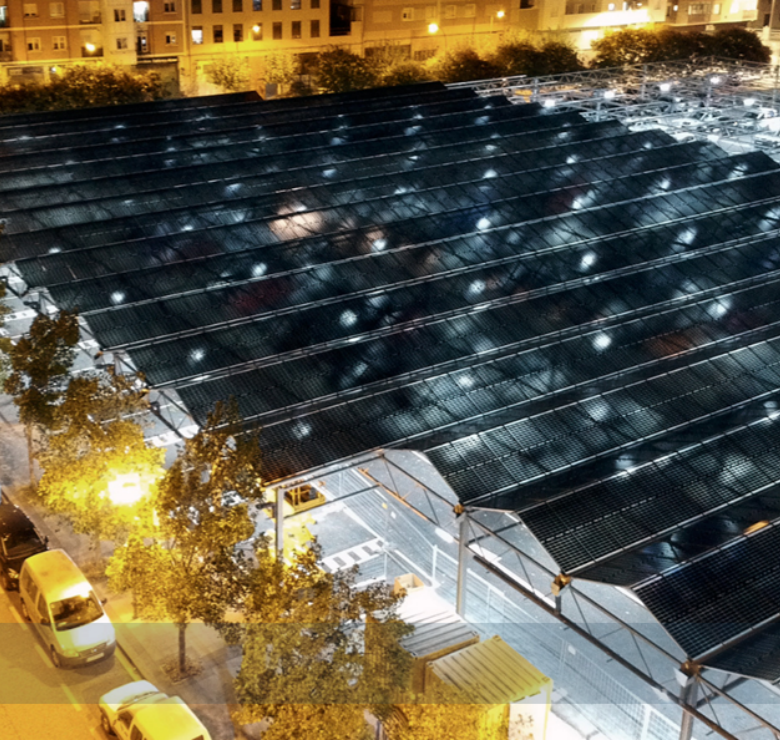
The success of agrivoltaics depends heavily on module design and installation techniques. Standard rooftop panels are often unsuitable for field applications due to shading issues and maintenance challenges. Modern solutions utilize specialized mounting structures that elevate panels to accommodate machinery and allow sufficient light penetration for photosynthesis. High-efficiency N-type cells are particularly valuable in these settings due to their superior performance in low-light conditions and higher temperature coefficients. These technical attributes ensure consistent energy output even when partial shading occurs from plant growth or varying sun angles.
Industry leaders like DMEGC Solar have developed specific product lines tailored for these complex environments. Their engineering focuses on durability and optimal light transmission, ensuring that agricultural activities are not hindered by energy infrastructure. By leveraging advanced manufacturing capabilities, such companies provide reliable components that withstand harsh outdoor conditions while maintaining high conversion efficiencies. This technological reliability is essential for gaining farmer trust and ensuring long-term project viability.
Sustainable Rural Development
Beyond immediate financial gains, agrivoltaics contribute to broader sustainability goals. Reduced water usage and improved microclimates support resilient farming practices. Additionally, local energy generation reduces transmission losses and dependence on distant power plants. For procurement managers and energy developers, understanding the nuances of these systems is crucial. Selecting the right solar panels on agricultural land ensures compatibility with specific crop types and regional climate conditions. This strategic approach transforms rural areas into hubs of green innovation, driving economic growth while preserving natural resources for future generations. The integration of smart monitoring systems further enhances operational efficiency, allowing for real-time adjustments to maximize both agricultural and energy outputs.

Tel: +86-579-86588826 (Workday 8:30-17:00)
Tel: +31 (0) 8 58200765
Tel: +86-579-86310330 (Workday 8:30-17:00)
+86-579-86310330 (workday 8:30-17:00 GMT+08:00)
+86-579-86588601 (workday 8:30-17:00 GMT+08:00)


Contact Us
Type of your question
- Business Consulting
- Technical Support
- After-sales Service