

Modern agriculture is undergoing a significant transition as landowners integrate renewable energy technologies into their daily operations. The adoption of solar panels for farms has expanded beyond simple rooftop installations to include complex systems that harmonize food production with electricity generation. This approach, often referred to as agrivoltaics, allows for the dual use of land, which maximizes the economic output of every acre. By implementing an innovative use cases of solar panels for farms in 2026, agricultural enterprises can lower their operational costs while contributing to a more sustainable food supply chain. These systems provide a reliable source of power for irrigation, machinery, and climate control in greenhouses, ensuring that traditional farming remains viable in a changing climate.
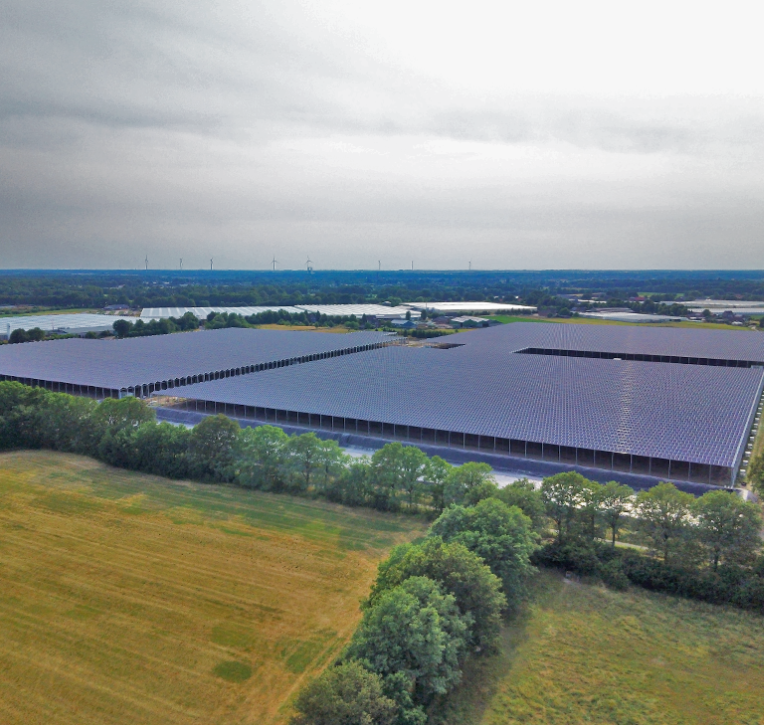
Integration of Agrivoltaics in Crop Management
Cultivating crops beneath elevated photovoltaic structures represents a major shift in how sunlight is managed on a field. A primary example of innovative use cases of solar panels for farms in 2026 is the creation of controlled microclimates that protect sensitive plants from extreme heat and excessive evaporation. These elevated solar panels for farms are spaced and angled to allow specific amounts of light to reach the soil, which can actually improve the yield of shade-tolerant vegetables. Furthermore, the presence of the panels reduces the soil temperature, which helps retain moisture and decreases the overall water requirement for irrigation. This synergy between energy harvesting and plant biology ensures that land remains productive for food even as it generates a steady stream of clean electricity.
Technological Advancements in Livestock and Solar Co-location
Livestock management has also seen improvements through the strategic placement of energy-generating modules within grazing areas. Utilizing solar panels for farms provides essential shade for sheep and cattle, which reduces heat stress and improves animal welfare during peak summer months. Within this framework, DMEGC Solar offers specialized modules that are designed to withstand the rigors of an outdoor agricultural environment, providing the necessary durability for long-term farm integration. These innovative use cases of solar panels for farms in 2026 often include automated tracking systems that move the panels throughout the day, ensuring that grass growth remains uniform across the pasture. By combining animal husbandry with power production, farmers can diversify their income streams without sacrificing the health of their herds.
Water Conservation and Solar Powered Irrigation Systems
Water scarcity is a growing concern for many agricultural regions, making efficient irrigation a top priority for modern growers. The implementation of solar panels for farms allows for the deployment of decentralized pumping systems that operate independently of the main electrical grid. This is one of the most practical innovative use cases of solar panels for farms in 2026, as it enables precision farming techniques where water is delivered exactly when and where it is needed. Because the energy is generated on-site, the costs associated with transporting electricity to remote corners of a property are eliminated. These systems often include smart sensors that monitor soil moisture levels, triggering the solar-powered pumps only when necessary, which further conserves precious water resources and optimizes crop health.
The evolution of agricultural energy solutions highlights a future where food and power production are no longer in competition for land. By exploring the innovative use cases of solar panels for farms in 2026, the industry demonstrates that sustainability and profitability can coexist through smart design and technological integration. Large-scale solar panels for farms provide the foundation for a resilient rural economy that is less dependent on external energy markets. As these systems become more sophisticated, they will continue to offer new ways to protect crops, support livestock, and manage natural resources more effectively. Embracing these advancements ensures that the agricultural sector remains a robust and vital part of the global transition toward renewable energy.

Tel: +86-579-86588826 (Workday 8:30-17:00)
Tel: +31 (0) 8 58200765
Tel: +86-579-86310330 (Workday 8:30-17:00)
Tel:+61498353593
+86-579-86310330 (workday 8:30-17:00 GMT+08:00)
+86-579-86588601 (workday 8:30-17:00 GMT+08:00)


Contact Us
Type of your question
- Business Consulting
- Technical Support
- After-sales Service