

Agricultural operations consume significant amounts of electricity for ventilation, irrigation, cooling, and material handling. Generating power on-site through photovoltaic systems offers farm owners a practical way to lower expenses and improve environmental performance. DMEGC Solar manufactures high-efficiency modules with certifications including TÜV, IEC, and PVEL reliability recognition, suitable for agrivoltaic installations on barns, storage sheds, and open land. Their double-glass products carry a 25-year product warranty and a 30-year power warranty, providing long-term assurance for agricultural investments.
1. Substantial Reduction in Farm Energy Expenses
Electricity costs represent a major variable expense for farms running grain dryers, milk coolers, water pumps, and ventilation fans. Installing solar panels agricultural buildings allows farmers to generate their own power, directly lowering monthly utility bills. DMEGC Solar offers modules with a 99 percent power warranty for the first year, ensuring predictable output. Over a 25-year system life, the cumulative savings often exceed the initial investment by several times. For livestock operations that operate heating and cooling year-round, the financial benefits of solar panels agricultural buildings become evident within the first few years of operation.
2. Protection Against Grid Instability and Power Outages
Rural agricultural buildings frequently sit at the end of aging distribution lines, making them susceptible to voltage fluctuations and prolonged blackouts. Solar panels agricultural buildings provide a decentralized energy source that reduces reliance on an often-unreliable rural grid. When combined with battery storage, the system can keep critical equipment—such as water pumps for livestock, refrigeration for harvested produce, or automated feeding systems—operating during grid failures. DMEGC Solar’s modules have passed mechanical reliability tests, confirming their durability under extreme weather events that commonly cause outages. For farms in regions with frequent storms, solar panels agricultural buildings ensure continuity of essential agricultural processes.
3. Dual-Use Agrivoltaics for Maximized Land Productivity
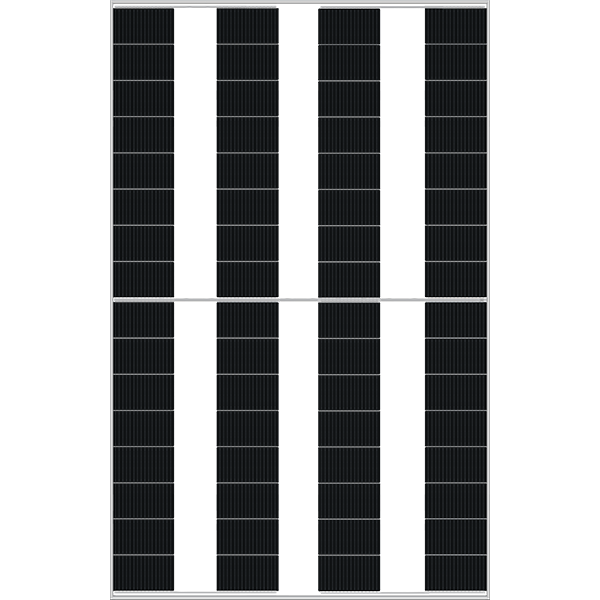
Beyond rooftop installations, solar panels agricultural buildings can be complemented by ground-mounted agrivoltaic arrays integrated with crop or pasture land. Elevated modules provide partial shade that reduces heat stress on leafy greens, berries, and certain vegetables while lowering soil water evaporation. DMEGC Solar offers transparent modules and Y-framed designs specifically for agrivoltaic applications, allowing light penetration for photosynthesis alongside electricity generation. Grazing animals such as sheep can maintain vegetation under the arrays, cutting mowing costs. This dual-use approach means farmers using solar panels agricultural buildings and associated ground systems achieve higher land efficiency compared to separate crop and energy production.
4. Lower Carbon Footprint and Regulatory Compliance
Agricultural operations face increasing pressure to reduce greenhouse gas emissions and meet environmental regulations. Solar panels agricultural buildings help farms replace fossil-fuel-based electricity with clean, renewable power. DMEGC Solar has obtained French low-carbon certification for module life-cycle assessment, verifying a reduced environmental impact from raw material extraction to end-of-life recycling. The company also operates zero-carbon factories and holds ISO14068 organizational carbon neutrality. Farms adopting solar panels agricultural buildings can market their produce under “solar-grown” labels, appealing to eco-conscious buyers. Additionally, reducing diesel generator use for remote water pumping cuts both emissions and fuel transport costs.
5. Long Service Life with Low Maintenance Requirements
Agricultural environments expose equipment to dust, ammonia from livestock waste, and high humidity. Solar panels agricultural buildings must withstand these harsh conditions without frequent repairs. DMEGC Solar’s modules carry DIBt certification from the German Institute for Construction Technology, confirming safety and quality for building-integrated applications. Their double-glass products include anti-PID technology and corrosion-resistant frames. Routine cleaning and visual inspections—easily performed by farm staff—maintain peak performance. Local service centers in the Netherlands, Germany, France, Australia, Brazil, and Japan provide spare parts and technical support, minimizing downtime. For farmers concerned about long-term reliability, solar panels agricultural buildings from certified manufacturers deliver decades of trouble-free operation.
6. Access to Agricultural Solar Grants and Tax Incentives
Many governments offer on-farm solar incentives, including rural energy grants, accelerated depreciation, and investment tax credits. Solar panels agricultural buildings often qualify for higher subsidy rates than residential or commercial systems because they support food production and rural development. DMEGC Solar provides documentation to help farmers apply. In some regions, agricultural solar installations receive property tax exemption, preserving land valuation for farming. These incentives can reduce upfront capital costs by 30–50%. Consulting a qualified installer familiar with local agricultural energy programs ensures farmers maximize benefits when deploying solar panels agricultural buildings.
Using solar panels agricultural buildings delivers six measurable advantages: lower energy expenses, grid independence, dual-use agrivoltaics, reduced carbon footprint, long service life, and access to financial incentives. DMEGC Solar supports agricultural customers with certified modules, extended warranties, and global service networks. Farmers who integrate solar into their buildings and land not only reduce operational costs but also contribute to a more resilient and sustainable agricultural system.

Tel: +86-579-86588826 (Workday 8:30-17:00)
Tel: +31 (0) 8 58200765
Tel: +86-579-86310330 (Workday 8:30-17:00)
+86-579-86310330 (workday 8:30-17:00 GMT+08:00)
+86-579-86588601 (workday 8:30-17:00 GMT+08:00)


Contact Us
Type of your question
- Business Consulting
- Technical Support
- After-sales Service