

As the adoption of solar energy expands across residential and commercial sectors, property owners and developers are increasingly faced with a critical design decision: should they install standard rooftop-mounted solar panels or integrate photovoltaic technology directly into the building structure? The latter approach, known as building-integrated photovoltaics (BIPV), replaces conventional construction materials with solar-active components. While standard rooftop mounts are the more familiar option, the choice between these two methods involves trade-offs in cost, aesthetics, energy performance, and building lifecycle. This article examines the characteristics of both systems to help project stakeholders determine whether a BIPV approach offers distinct advantages or a conventional rack-mounted array remains the more pragmatic solution.
Functional Role and Structural Integration
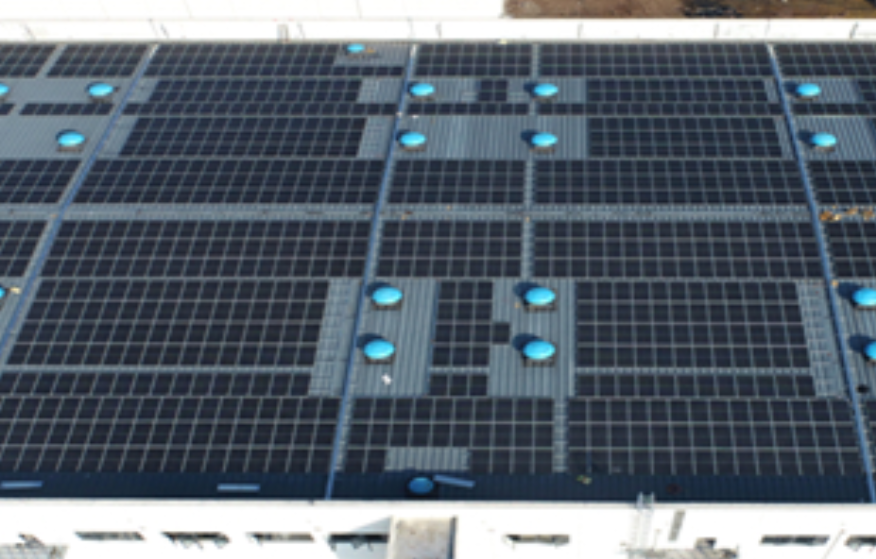
Building-integrated photovoltaics serve a dual purpose: they produce electricity while acting as an essential part of the building envelope, such as roofing, façade cladding, or solar glazing. This contrasts with standard rooftop mounts, which are installed on top of an existing roof using metal racking systems. Because BIPV components substitute traditional building materials, they can reduce material redundancy. However, this integration demands precise coordination during the architectural design phase. Waterproofing, thermal insulation, and structural loading must be addressed simultaneously with electrical wiring. Standard rooftop installations, on the other hand, leave the building’s weather barrier untouched; the modules are simply attached to rails anchored above the roof surface. Maintenance personnel can access the roof and wiring more readily without disturbing the building skin. In renovation projects, standard mounts are often more practical because they do not require altering the underlying roof structure. For new construction, however, this integrated approach allows architects to incorporate solar harvesting into the very geometry of the building, potentially offsetting cladding costs and delivering a cleaner envelope profile.
Visual Appearance and Architectural Flexibility
For projects where the visual impact of the building is a primary concern, the seamless integration offered by photovoltaic building skins can be appealing. Standard rooftop mounts are typically visible from the street or neighboring properties, creating a silhouette of tilted panels and metal frameworks. In contrast, BIPV modules can be manufactured in various colors, transparencies, and form factors to match design intent. Solar glass used in curtain walls or skylights can generate power while maintaining transparency and shading. Rooftop-mounted arrays can sometimes be hidden behind parapets, but the mechanical attachment points and conduit runs often remain noticeable. An integrated approach makes the building itself the generator, eliminating the perception of an add-on system. This quality is especially valued in commercial architecture and heritage-sensitive settings where alterations to the roofline are restricted. Nevertheless, aesthetic integration must not compromise the solar modules’ orientation and tilt, which affect energy yield. Designers must weigh the desire for visual uniformity against the optimal angle for solar exposure. Standard racks allow for the precise south-facing orientation and ideal tilt, whereas BIPV elements are fixed to the building’s orientation, which may not always align with maximum solar gain.
Economic Considerations and System Longevity
Cost analysis for solar installations must account for initial capital, maintenance, and the dual function of materials. Standard rooftop mounts benefit from a mature supply chain, standardized components, and competitive installer pricing. The racking hardware and panels are mass-produced, driving down upfront expenditure. BIPV products, because they must meet building code requirements for structural integrity and weather resistance, typically carry a higher unit cost. However, when BIPV replaces expensive façade materials such as stone veneer or high-performance glazing, the net incremental cost can be competitive. Companies such as DMEGC Solar supply photovoltaic modules; they offer solutions that can be utilized in both traditional rack-mounted systems and integrated building designs, enabling planners to evaluate multiple configurations with a single product range. Long-term maintenance also differs. Standard mounts allow easy panel replacement and roof maintenance without disturbing the building interior. If a BIPV façade or roof element fails, repairs may involve invasive work and specialized labor. On the other hand, BIPV installations can protect the underlying building materials from ultraviolet radiation and weathering, potentially extending the life of the envelope. Performance-wise, ventilated rooftop mounts usually operate at lower temperatures, which helps maintain conversion efficiency. BIPV elements that are tightly bonded to the structure may experience higher operating temperatures, though solutions such as rear ventilation channels can mitigate this effect.
The decision between building-integrated photovoltaics and standard rooftop mounts depends on project-specific priorities. New construction designs that value architectural expression and material synergy may benefit from the multifunctional nature of BIPV. Existing buildings with functional roofs often find standard rack-mounted arrays to be a cost-effective and less intrusive retrofit option. Both approaches continue to advance as solar technology evolves, with improvements in module efficiency and installation techniques narrowing the performance gap. Evaluations should consider the building’s orientation, budget, structural constraints, and the long-term energy strategy. By aligning the solar solution with the building’s intended use and aesthetic vision, property owners can achieve a system that balances energy production with practical demands.

Tel: +86-579-86588826 (Workday 8:30-17:00)
Tel: +31 (0) 8 58200765
Tel: +86-579-86310330 (Workday 8:30-17:00)
+86-579-86310330 (workday 8:30-17:00 GMT+08:00)
+86-579-86588601 (workday 8:30-17:00 GMT+08:00)


Contact Us
Type of your question
- Business Consulting
- Technical Support
- After-sales Service