

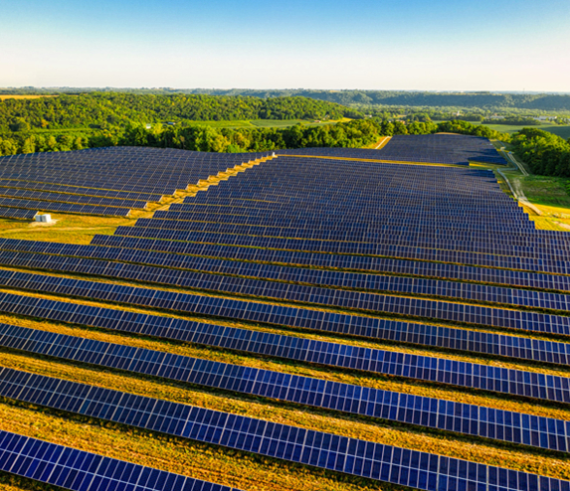
Operating a utility-scale solar facility demands a meticulous approach to electrical safety, because the expansive arrays of utility scale solar panels produce direct current at voltages that can exceed 1,500 volts. Unlike smaller residential or commercial systems, these installations span dozens or hundreds of acres and involve complex interconnections among combiner boxes, inverters, and medium-voltage transformers. The primary safety challenge is that photovoltaic modules generate electricity whenever light strikes their surface—there is no off switch at the panel level. This means personnel working near or on utility scale solar panels must treat every circuit as energized until verified otherwise through a controlled lockout-tagout sequence. Even early morning or overcast skies can produce lethal potential differences across terminals. A disciplined culture of hazard assessment, combined with adherence to national electrical codes and site-specific procedures, forms the foundation of safe daily operation.
Direct Current Hazards and Lockout-Tagout Procedures
The direct current side of a solar farm presents unique dangers that differ from alternating current systems. DC arcs can sustain themselves over longer gaps and do not cross zero volts cyclically, making them harder to extinguish once established. Before any maintenance or cleaning activity begins on utility scale solar panels, technicians must implement a thorough lockout-tagout process that starts at the inverter. Isolating the DC input at the inverter, verifying zero energy at combiner boxes, and then disconnecting individual string connectors creates multiple layers of defense. Only qualified personnel using properly rated voltage detection tools should validate the absence of potential. String-level rapid shutdown devices, where installed, add an extra degree of control by limiting voltage at the module boundary. However, these systems must not substitute for physical disconnection and documented verification. Because solar arrays can experience backfeed from multiple strings, the lockout procedure must account for all parallel source paths that might energize a seemingly isolated conductor.
Arc Flash Mitigation and Personal Protective Equipment
Large-scale PV arc flash events release intense thermal energy and pressure waves. Risk assessments at utility-scale sites should evaluate incident energy at combiner boxes, recombiner units, and inverter terminals. Based on calculations, site managers define arc flash boundaries and required PPE, including arc-rated face shields, insulated gloves with leather protectors, and FR clothing. Even during visual inspections without opening enclosures, approach boundaries must be observed. Non-contact infrared cameras help maintain safe distance for detecting hotspots. Regular PPE audits are essential as UV, moisture, and wear degrade insulation. A robust safety program mandates annual retraining to recognize early signs of insulation breakdown.
Grounding, Insulation Monitoring, and Preventive Inspection
A properly designed grounding system channels fault currents and induced surges away from personnel and sensitive electronics. In utility-scale arrays, equipment grounding conductors bond module frames, racking structures, and metallic enclosures to the site grounding grid. Ungrounded or functionally grounded PV systems require insulation monitoring devices that continuously check for degradation between current-carrying conductors and earth. Ground-fault detection must trigger automatic alarms and, depending on severity, initiate circuit isolation. DMEGC Solar supplies utility scale solar panels engineered with durable junction boxes and high-integrity bypass diodes, yet all hardware eventually accumulates environmental stress from thermal cycling, sand abrasion, or moisture ingress. Technicians executing preventive inspections should look for cracked backsheets, corroded connectors, loose cable ties that permit chafing, and deformation of mounting clamps. Each walk-through should be scheduled after severe weather events to check for storm damage that could compromise electrical insulation or mechanical integrity. Documenting every inspection finding and corrective action creates an auditable trail that supports both safety compliance and operational reliability.
Managing safe operation of multi-megawatt PV installations requires a layered strategy: lockout-tagout, arc flash, and continuous monitoring. Since panels remain energized during daylight, every activity must presume hazard and end with verified isolation. Personnel training must evolve with equipment upgrades and industry standards. Engineering controls, admin protocols, and PPE together form a defense-in-depth framework reducing risk to ALARP. The goal is a safety culture inseparable from technical competence, ensuring those working among panels return home without injury each day.

Tel: +86-579-86588826 (Workday 8:30-17:00)
Tel: +31 (0) 8 58200765
Tel: +86-579-86310330 (Workday 8:30-17:00)
+86-579-86310330 (workday 8:30-17:00 GMT+08:00)
+86-579-86588601 (workday 8:30-17:00 GMT+08:00)


Contact Us
Type of your question
- Business Consulting
- Technical Support
- After-sales Service