

In modern agriculture, managing energy costs while maintaining efficient operations is a constant challenge. At DMEGC Solar, we believe that agricultural solar panels offer a practical solution for farms seeking to improve energy efficiency. By integrating solar energy into farming operations, farmers can support irrigation, lighting, and other critical systems without increasing overhead costs.
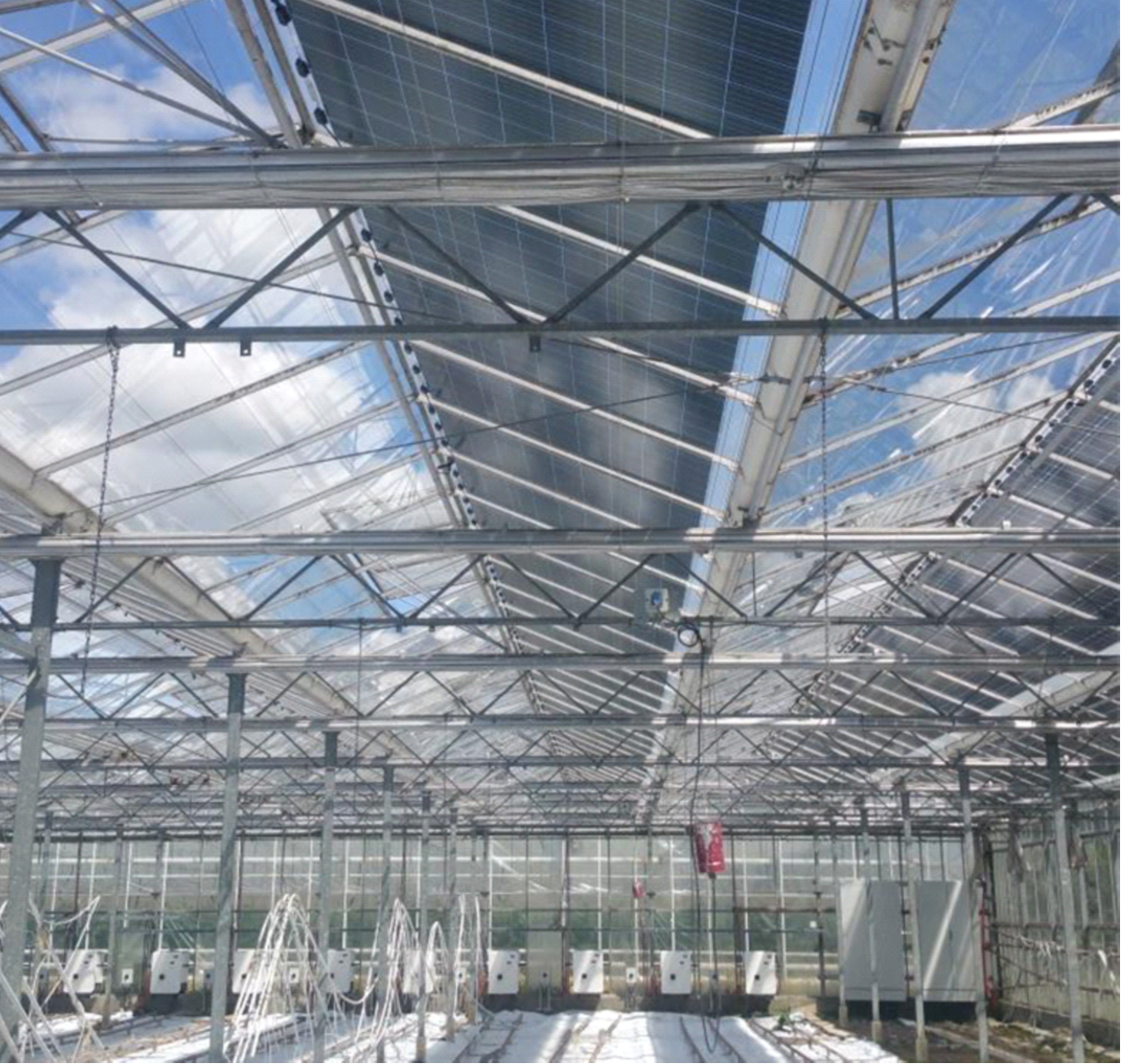
Enhancing Farm Efficiency with Solar Panels for Agriculture
Agricultural solar panels are specifically designed to meet the unique demands of farming environments. Unlike conventional solar panels, these systems can withstand outdoor conditions, including high humidity, dust, and temperature fluctuations. By installing a solar panel for agriculture, farms can generate reliable energy for everyday tasks such as water pumping for irrigation and lighting in barns or storage areas. This reduces dependence on grid electricity and helps farms manage energy budgets more effectively.
Supporting Irrigation and Water Management
One of the key advantages of agricultural solar panels is their ability to power irrigation systems. Water management is essential for healthy crop growth, and a consistent power supply ensures pumps operate efficiently. With solar energy, farmers can run irrigation systems throughout the day, even in remote areas without reliable access to the electrical grid. This not only improves water distribution but also minimizes interruptions that can affect crop yields.
Lighting and Operational Applications
Beyond irrigation, solar panels for agriculture can support a range of operational needs on farms. From greenhouse lighting to night-time security systems, solar energy provides a sustainable source of electricity. Farms can maintain productivity after sunset without adding to energy expenses. By leveraging agricultural solar panels, farmers gain a reliable energy source that supports multiple applications across the property.
Environmental and Economic Benefits
Using agricultural solar panels contributes to both environmental and economic goals. Solar energy reduces carbon emissions associated with traditional power generation, helping farms operate more sustainably. Economically, generating electricity on-site decreases monthly energy bills and offers long-term savings. Farms that adopt solar solutions are better positioned to manage energy costs, allocate resources efficiently, and maintain steady production throughout the growing season.
Conclusion
At DMEGC Solar, we understand the demands of modern agriculture and the importance of efficient energy solutions. Agricultural solar panels provide farms with a dependable source of electricity to support irrigation, lighting, and operational systems. By investing in a solar panel for agriculture, farms can reduce energy costs, improve productivity, and operate in a more environmentally conscious way. Embracing solar energy in farming is not only practical but also an effective approach to sustaining operations and supporting crop growth.

Tel: +86-579-86588826 (Working hours 8:30-17:00 GMT+08:00)
Tel: +31 (0) 8 58200765
Tel: +86-579-86310330 (Working hours 8:30-17:00 GMT+08:00)
+86-579-86310330 (Working hours 8:30-17:00 GMT+08:00)
+86-579-86588601 (Working hours 8:30-17:00 GMT+08:00)


Contact Us
Type of your question
- Business Consulting
- Technical Support
- After-sales Service