

The modern energy landscape is rapidly evolving, prompting many homeowners to explore renewable energy solutions like residential solar panels and wind turbines. As we stand at the crossroads of sustainability and technological advancement, making informed decisions is vital in maximizing energy efficiency and return on investment. This article will delve into the advantages and disadvantages of both residential solar panels and wind turbines, giving you a clearer understanding of which option may be the best fit for your home.
Understanding the Benefits of Residential Solar Panels
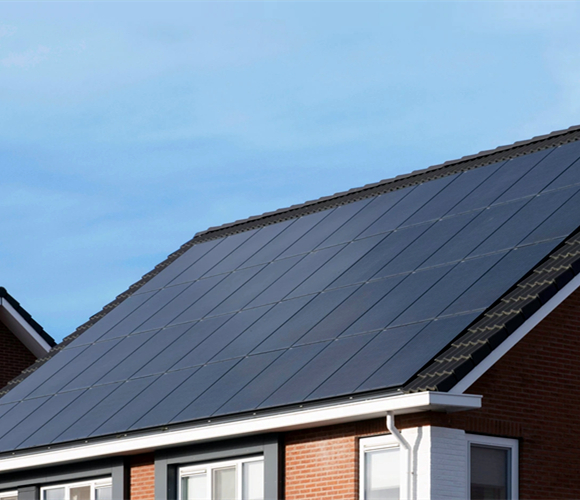
Residential solar panels have become increasingly popular due to their numerous benefits, including their ability to harness energy from the sun and convert it into electricity. With advancements in technology, modern panels, such as those offered by DMEGC Solar, provide high efficiency and a robust 30-year power warranty, which is a significant factor for homeowners considering long-term investments. Not only do these panels ensure a substantial return on investment (ROI) through reduced energy bills, but they also contribute positively to the environment by minimizing carbon footprints.
One of the most significant advantages of residential solar panels is their versatility and aesthetic integration into various architectural styles. With innovative options like Y-framed, EC-framed, and transparent solar modules from DMEGC Solar, homeowners can find solutions that complement their roofs while potentially increasing property value. This architectural compatibility is crucial for those concerned about maintaining the visual appeal of their homes while investing in renewable energy.
Exploring Wind Turbines for Residential Power
On the other hand, residential wind turbines present an alternative renewable energy solution that warrants consideration. These turbines work by converting wind energy into electricity, providing a clean and renewable source of power. However, they tend to have certain site requirements, such as adequate wind speed and open spaces, which can limit their feasibility in urban or densely populated areas. Unlike residential solar panels, which can be installed on rooftops, wind turbines often require a sizeable lot, making them less suitable for many homeowners.
Furthermore, while wind energy is incredibly efficient in areas with reliable wind resources, it does not offer the same consistent output as solar panels during sunny days. Reliability is a critical factor in energy generation, and many homeowners find that the predictability of solar energy during peak sunshine hours can lead to a more stable and manageable energy supply. Therefore, the choice between solar panels and wind turbines can often hinge on geographic and environmental factors.
Factors Influencing Your Choice
When choosing between solar panels and wind turbines, several considerations come into play, including energy needs, budget, and space availability. Homeowners must assess their specific situations to determine the most efficient and cost-effective solution. For instance, in regions with ample sunshine, investing in residential solar panels can yield substantial benefits. In contrast, areas with consistent and strong winds may find wind turbines more advantageous.
It’s also essential to consider installation and maintenance costs when making this decision. DMEGC Solar offers residential solar panels that can be installed quickly and efficiently, with little ongoing maintenance required. Wind turbines, however, may require more maintenance and have potential operational costs that can arise over time, which could impact the overall savings.
Conclusion
Making the decision between residential solar panels and wind turbines is not straightforward; both options have their merits and limitations. At DMEGC Solar, we believe that understanding the specifics of each technology—whether it’s the architectural compatibility of solar panels or the energy generation potential of wind turbines—empowers homeowners to make informed choices that suit their energy needs. Ultimately, whether you choose solar energy or wind power, investing in renewable energy solutions significantly contributes to a sustainable future while promoting energy independence.

Tel: +86-579-86588826 (Workday 8:30-17:00)
Tel: +31 (0) 8 58200765
Tel: +86-579-86310330 (Workday 8:30-17:00)
+86-579-86310330 (workday 8:30-17:00 GMT+08:00)
+86-579-86588601 (workday 8:30-17:00 GMT+08:00)


Contact Us
Type of your question
- Business Consulting
- Technical Support
- After-sales Service