

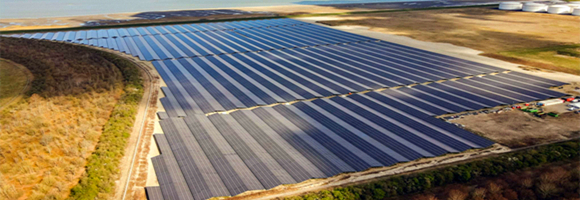
When venturing into solar energy, especially through the installation of ground-mounted solar panels, understanding the soil conditions is paramount. The viability and effectiveness of these solar installations are not solely dependent on the solar technology used but also on the specific environmental factors of the site, particularly its soil composition. Assessing the soil’s characteristics can greatly influence the performance of the DMEGC Solar solutions we implement. Let’s delve into this important aspect of solar panel installation.
Importance of Soil Composition
Soil composition plays a critical role in determining the structural integrity of the foundations for ground-mounted solar panels. Different soils—ranging from sandy to clayey—have varied load-bearing capacities and drainage characteristics. Sandy soils, for instance, tend to drain quickly but might not provide adequate stability for heavy installations if not properly compacted. Conversely, clayey soils can retain water and expand, leading to potential shifting of the solar structures over time. At DMEGC Solar, we prioritize these analyses to ensure that our installations can withstand environmental stresses and provide long-term reliability.
Conducting Soil Tests
To effectively analyze the soil for ground-mounted solar panels, various tests can be conducted. The most common assessments include soil compaction tests, permeability tests, and pH analysis. Compaction tests help determine the density and stability of the soil, which is crucial for supporting the weight of the solar array. Permeability tests assess the soil's ability to drain water, an essential factor in preventing water accumulation that could undermine the structure. A pH analysis ensures that the ground conditions are suitable for any vegetation or plants that may be integrated into the solar farm, promoting an eco-friendly environment alongside energy production. Engaging in this methodological approach allows us at DMEGC Solar to tailor our foundation designs optimally to the site conditions.
The Role of Environmental Factors
Apart from soil characteristics, other environmental factors also play a role in the installation of ground-mounted solar panels. Climate conditions, such as temperature fluctuations and rainfall patterns, can significantly influence the selected installation techniques and materials. For instance, regions prone to heavy rainfall may necessitate extra drainage measures to prevent soil erosion and prevent damage to the foundations. Additionally, seasonal changes can affect soil condition over time, making routine assessments necessary. By continually considering these elements, we can implement the best practices in our projects, ensuring that installations are resilient and effective long-term.
Conclusion
In the realm of solar energy, the installation of ground-mounted solar panels requires a comprehensive understanding of the surrounding environment, especially soil conditions. By conducting thorough soil analyses, we can determine the best strategies for foundation design and ensure optimal performance of solar installations, like those provided by DMEGC Solar. This meticulous approach not only supports structural integrity but also enhances the longevity and efficiency of solar power systems. As we move forward into a more sustainable future, attention to these foundational aspects will enable us to continue delivering high-quality solar solutions.

Tel: +86-579-86588826 (Workday 8:30-17:00)
Tel: +31 (0) 8 58200765
Tel: +86-579-86310330 (Workday 8:30-17:00)
+86-579-86310330 (workday 8:30-17:00 GMT+08:00)
+86-579-86588601 (workday 8:30-17:00 GMT+08:00)


Contact Us
Type of your question
- Business Consulting
- Technical Support
- After-sales Service