

The global transition toward renewable energy has created diverse pathways for consumers and businesses to reduce carbon footprints and lower electricity costs. Two primary models dominate the residential and small commercial sectors: individual rooftop installations and community solar projects. Understanding the technical, financial, and logistical distinctions between these options is crucial for property owners, installers, and energy procurement managers making informed investment decisions.
Technical Efficiency and System Control
Individual rooftop systems offer direct control over energy generation and consumption. By installing photovoltaic modules directly on a property, owners can maximize self-consumption rates, especially when paired with battery storage solutions. Modern high-efficiency modules, such as those utilizing N-type cell technology, provide superior performance in low-light conditions and higher temperature coefficients compared to traditional P-type cells. This technological advancement ensures that even limited roof space can yield significant energy output.
For homeowners seeking energy independence, rooftop solar panels for homes represent a tangible asset that increases property value. These systems allow for precise monitoring of energy production through smart inverters and digital platforms. Furthermore, net metering policies in many regions enable users to sell excess power back to the grid, creating a potential revenue stream that offsets initial installation costs. The ability to choose specific module brands and configurations allows for customization based on aesthetic preferences and structural constraints.
Accessibility and Shared Benefits of Community Solar
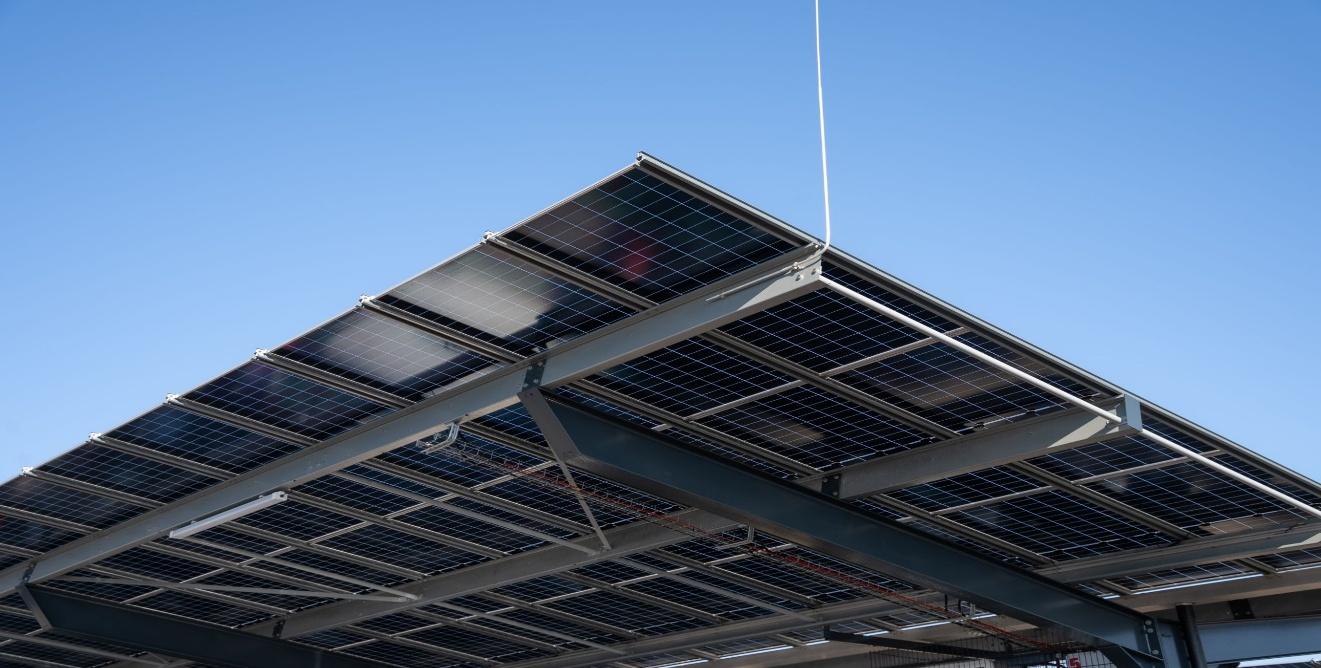
Community solar programs, also known as solar gardens, provide an alternative for individuals who cannot install private systems due to renting, shading issues, or unfavorable roof orientations. Participants subscribe to a portion of a larger, off-site solar array and receive credits on their utility bills proportional to their share. This model democratizes access to clean energy, removing the barriers of upfront capital expenditure and maintenance responsibilities.
However, community solar lacks the autonomy of private ownership. Subscribers do not own the physical assets, meaning they miss out on potential tax incentives like the Investment Tax Credit (ITC) available to system owners in certain jurisdictions. Additionally, the long-term savings are generally lower than those achieved through owned rooftop systems, as program administrators retain a portion of the financial benefits to manage operations and maintenance.
Strategic Considerations for Stakeholders
Manufacturers like DMEGC Solar play a pivotal role in supplying high-quality modules for both decentralized and centralized applications. For installers and developers, the choice between promoting individual rooftop systems or community subscriptions depends on local regulatory frameworks and customer profiles. While community solar expands market reach to non-homeowners, rooftop installations offer deeper engagement and higher lifetime value per customer. Ultimately, the optimal choice hinges on specific site conditions, financial goals, and the desire for direct asset ownership versus simplified participation in the green energy transition.

Tel: +86-579-86588826 (Workday 8:30-17:00)
Tel: +31 (0) 8 58200765
Tel: +86-579-86310330 (Workday 8:30-17:00)
+86-579-86310330 (workday 8:30-17:00 GMT+08:00)
+86-579-86588601 (workday 8:30-17:00 GMT+08:00)


Contact Us
Type of your question
- Business Consulting
- Technical Support
- After-sales Service