

The transition toward renewable energy infrastructure requires strategic decisions regarding installation sites and structural integration. For commercial developers, agricultural operators, and industrial facility managers, the choice often lies between utilizing existing building envelopes with traditional rooftop systems or constructing ground-mounted structures known as solar canopies. Understanding the distinct engineering, economic, and operational differences between these two approaches is essential for optimizing return on investment and long-term asset performance.
Structural Integration and Land Use Efficiency
Traditional rooftop photovoltaic systems leverage existing real estate, minimizing the need for additional land acquisition. This approach is ideal for urban environments where space is at a premium. However, roof-mounted arrays are constrained by the building’s structural load capacity, orientation, and potential shading from adjacent structures. Retrofitting older buildings may require significant reinforcement, adding to upfront costs.
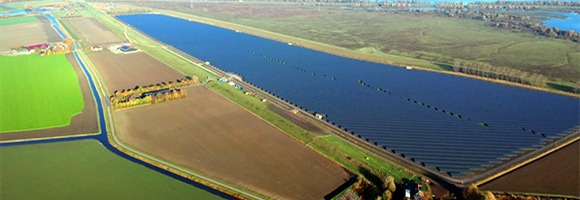
In contrast, a solar canopy is a standalone structure designed to support photovoltaic modules while providing shelter underneath. These systems are particularly valuable in large parking lots, agricultural fields, or open industrial yards. They transform underutilized land into dual-purpose assets, generating electricity while protecting vehicles or crops from weather elements. This dual functionality often justifies the higher initial civil engineering costs associated with foundation work and steel framing.
Performance and Maintenance Considerations
Operational efficiency varies significantly between the two configurations. Rooftop systems often face challenges related to heat accumulation, as panels installed directly on roofing materials can experience reduced efficiency due to elevated operating temperatures. Furthermore, maintenance access can be difficult and hazardous, requiring specialized safety equipment and protocols.
Ground-mounted canopies offer superior airflow around the modules, naturally cooling the panels and enhancing energy yield. The elevated design also simplifies cleaning and repair processes, as technicians can access the equipment from ground level or via standard lifts. Additionally, canopies allow for optimal tilt angles and azimuth orientation, independent of building architecture, ensuring maximum irradiance capture throughout the day. Leading manufacturers like DMEGC Solar provide high-efficiency N-type modules that perform exceptionally well in these open-air environments, leveraging advanced cell technology to maximize output even in variable lighting conditions.
Economic Implications and Scalability
While rooftop installations typically have lower balance-of-system costs due to the absence of ground-mount structures, they are limited by roof size. Solar canopies, though requiring higher capital expenditure for steel and concrete, offer unparalleled scalability. They can be expanded modularly as energy demands grow. For businesses with large footprints, the ability to generate substantial power without compromising building integrity makes canopies a compelling long-term investment. Ultimately, the decision depends on land availability, structural constraints, and specific energy goals.

Tel: +86-579-86588826 (Workday 8:30-17:00)
Tel: +31 (0) 8 58200765
Tel: +86-579-86310330 (Workday 8:30-17:00)
+86-579-86310330 (workday 8:30-17:00 GMT+08:00)
+86-579-86588601 (workday 8:30-17:00 GMT+08:00)


Contact Us
Type of your question
- Business Consulting
- Technical Support
- After-sales Service